

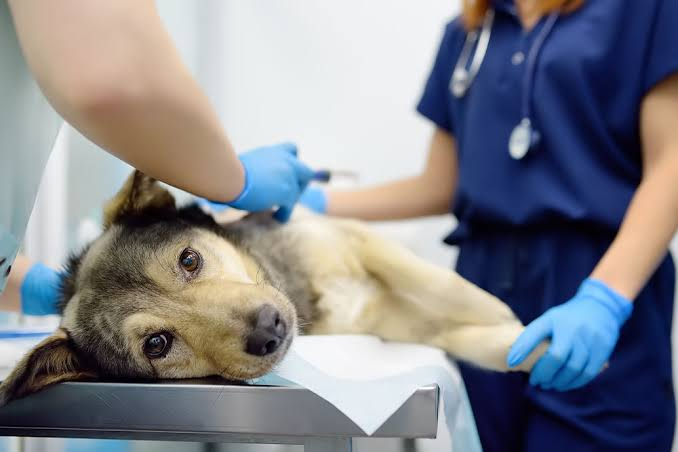
You know your pet is not acting like themselves, but the signs can be easy to miss, especially when recovering from veterinary surgery in Richmond Hill ON. Maybe your dog hesitates before jumping on the couch, or your cat hides more after surgery and seems “quiet.” A lot of owners see those changes and hope they will pass. That is a hard place to be, because pain in animals is often subtle, and waiting can turn a treatable problem into a longer recovery.
The importance of pain management in small animal hospitals comes down to one simple truth. Pain changes healing, behavior, appetite, sleep, and trust. When a hospital takes pain seriously, pets recover with less stress, families get clearer answers, and medical care works better from the start.
Pain management in veterinary hospitals shapes recovery and quality of life
Animals do not explain where it hurts. They show it in ways that are easy to misread. A dog in pain may pant, pace, lick one area, avoid stairs, or become irritable. A cat may stop grooming, crouch, stop using the litter box normally, or pull away when touched. Cornell’s guide on recognizing pain in dogs shows how broad those signs can be, and the same challenge applies to cats.
That matters in a small animal hospital because pain does not stay in one lane. It affects heart rate, breathing, mobility, appetite, and sleep. After surgery, poor pain control can keep a pet from resting or eating, which slows healing. With arthritis, dental disease, injuries, or cancer, untreated pain can shrink a pet’s world bit by bit until normal daily life becomes hard.
Owners often worry about cost, side effects, or whether their pet “really needs” medication. Those concerns are real. Pain care is not just one drug handed out at discharge. Good hospitals use a plan that matches the pet’s age, species, medical history, procedure, and home life. That may include local anesthetics, anti inflammatory drugs, opioids, nerve blocks, cold therapy, cage rest, physical rehabilitation, or changes at home that reduce strain.
The strongest approach is usually layered care. The AAHA pain management guidelines for dogs and cats support this kind of multimodal plan because pain has more than one pathway, and one tool is often not enough.
Small animal pain control protects pets before, during, and after treatment
Pain management is not only for the recovery room. It starts before a procedure, continues during anesthesia, and stays in place after the pet goes home. That is where many owners feel overwhelmed, because they are trying to balance instructions, medications, behavior changes, and their own fear of doing something wrong.
Think about a routine spay, dental extraction, or mass removal. Two pets may have the same procedure and very different recoveries because pain is shaped by age, anxiety, prior illness, and the level of inflammation involved. A thoughtful hospital plans ahead. Cornell’s anesthesiology service overview reflects that larger view of comfort and safety, where monitoring and pain prevention are tied together rather than treated as separate issues.
This is also where veterinary pain management helps avoid secondary problems. A dog that hurts may resist movement, then lose muscle and stiffness gets worse. A cat with oral pain may stop eating, which can become dangerous quickly. A frightened pet in pain may need more restraint, and that raises stress for everyone. Better pain control often means gentler handling, steadier eating, earlier movement, and fewer setbacks.
Common pain management approaches in a small animal hospital
| Approach | How it helps | Common use | Main concern to discuss |
|---|---|---|---|
| Pre procedure pain medication | Reduces pain before it escalates | Surgery, injury care, dental work | Drug choice based on age and health status |
| Local blocks or regional anesthesia | Numbs a targeted area | Dental extractions, limb procedures, mass removals | Needs trained staff and planning |
| Systemic medications after treatment | Controls ongoing pain at home | Post op care, arthritis, soft tissue injury | Correct dosing and monitoring for side effects |
| Non drug support | Improves comfort without adding medication load | Cold packs, soft bedding, restricted activity, rehab | Consistency at home matters |
| Long term chronic pain planning | Keeps function and comfort stable over time | Arthritis, cancer, neurologic disease | Needs regular reassessment |
The value of pain control in animal hospitals is that it gives the team more than one way to respond. If one medication is not ideal because of kidney disease, stomach issues, or age, another option may fit better. That flexibility is what protects pets with more complicated needs.
Practical steps help you advocate for better small animal hospital care
Track specific behavior changes. Do not settle for “my pet seems off.” Write down what you see. Limping after rest, reluctance to eat hard food, hiding, panting at night, trembling, snapping when touched, trouble getting up, or changes in litter box habits all give the hospital better clues.
Ask for the pain plan in plain language. You need to know what is being used, when it starts, how long it lasts, and what side effects require a call back. If your pet is having surgery, ask what pain prevention is used before anesthesia, during the procedure, and after discharge.
Schedule reassessment, not just treatment. Pain care is not one decision. It is a process. If a medication is not working, if your pet is too sedated, or if mobility is still poor after a few days, the plan may need to change. Follow up visits and check in calls can make a major difference.
Better pain management in small animal hospitals leads to better healing
Your pet does not need to “tough it out” to prove something is wrong. Pain is a medical issue, and treating it early often means less suffering, smoother recovery, and a better daily life at home. If your pet is showing signs of discomfort, contact your small animal hospital and ask for a clear pain assessment and treatment plan.