

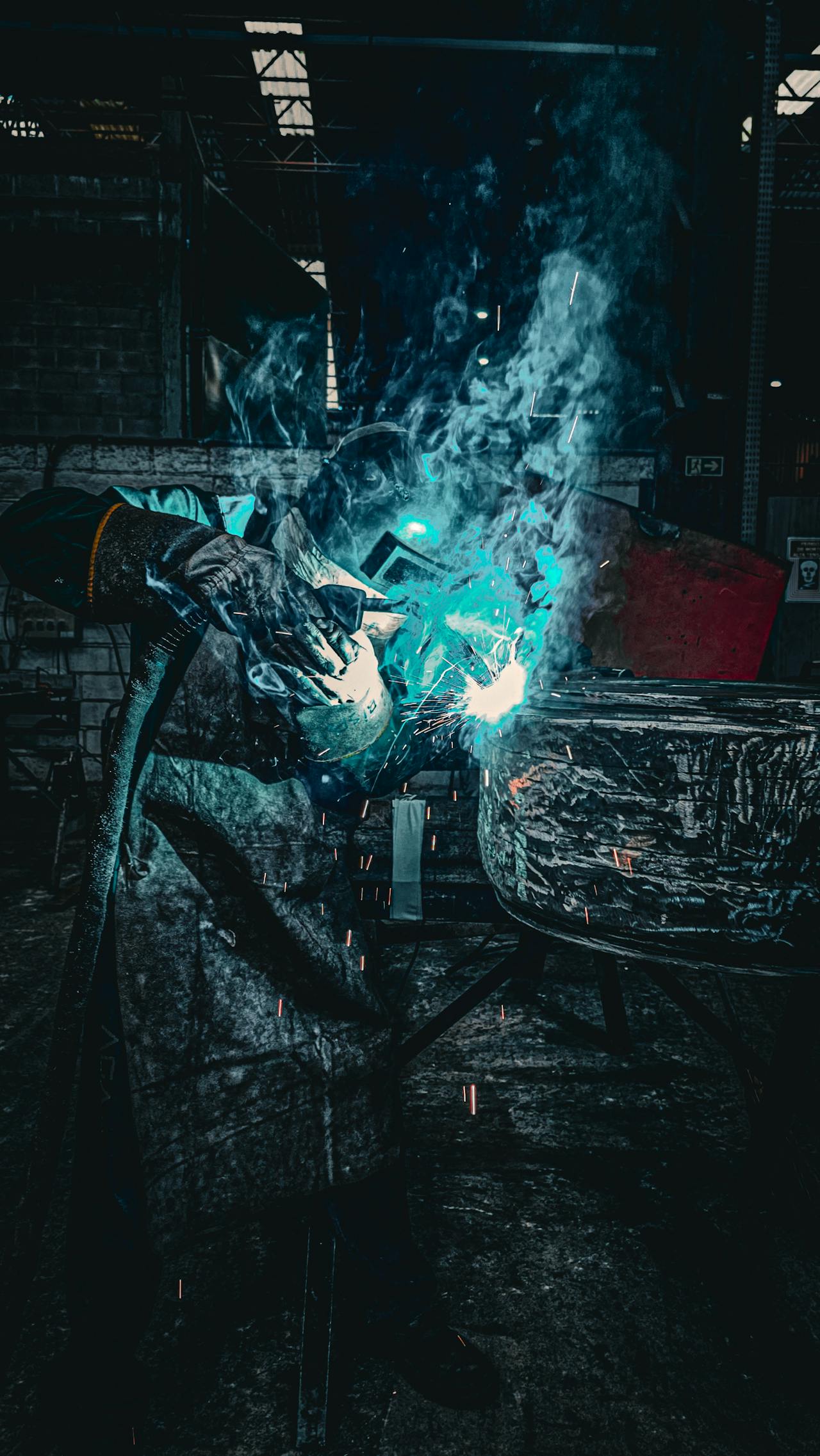
Underwater welding is a specialized field that combines the complexities of diving and the technical skill of welding. It plays a critical role in the construction, maintenance, and repair of underwater structures such as pipelines, ship hulls, offshore oil rigs, and bridges. In this comprehensive guide, we’ll delve into the ins and outs of underwater welding, covering its techniques, applications, challenges, and career prospects for those looking to enter this fascinating field.
What Is Underwater Welding?
Underwater welding, also known as hyperbaric welding, is the process of welding at elevated pressures, typically underwater. Unlike conventional welding on land, underwater welding takes place in a submerged environment where factors such as water pressure, temperature, and electrical safety require specialized equipment and training.
There are two main types of underwater welding:
- Wet Welding: Performed directly in the water, with no enclosure around the weld area.
- Dry Welding: Conducted inside a pressurized habitat or chamber that excludes water from the welding zone.
Both methods have unique benefits and drawbacks, which we’ll explore in detail below.
Wet Welding
Wet welding is performed using a waterproof electrode, allowing welders to work directly in the water. It is often used for quick repairs where building a dry welding enclosure is impractical.
Advantages of Wet Welding
- Speed: Wet welding can be set up and executed quickly, making it ideal for emergency repairs.
- Cost-Effectiveness: It eliminates the need for a dry chamber, reducing equipment costs.
- Accessibility: Welders can perform tasks in hard-to-reach locations without extensive preparation.
Challenges of Wet Welding
- Lower Weld Quality: The presence of water can lead to porosity and hydrogen cracking in the weld.
- Safety Risks: Working with electricity underwater introduces the potential for electrical hazards.
- Short-Term Fixes: Wet welding is often considered a temporary solution due to its susceptibility to corrosion.
Dry Welding
Dry welding, also called habitat welding, takes place in an enclosed chamber where water is displaced by gas to create a dry working environment. This method is commonly used for critical structural repairs requiring high weld quality.
Advantages of Dry Welding
- Superior Weld Quality: A dry environment reduces the risk of defects such as porosity and cracking.
- Improved Precision: Welders have better visibility and control within a dry chamber.
- Longevity: Welds produced in dry conditions are typically more durable and reliable.
Challenges of Dry Welding
- High Cost: Setting up a habitat requires significant resources and time.
- Complex Logistics: Transporting and assembling the chamber can be challenging in remote underwater locations.
- Limited Accessibility: Dry welding is less practical for small-scale or emergency repairs.
Applications of Underwater Welding
Underwater welding is indispensable across various industries. Below are some common applications:
1. Offshore Oil and Gas Industry
Underwater welders maintain and repair oil rigs, pipelines, and underwater drilling equipment. This work is critical to ensuring the continuous flow of energy resources.
2. Shipbuilding and Repair
Ships often require underwater welding for repairing damaged hulls or installing new components. This work helps maintain seaworthiness without dry-docking.
3. Bridge and Dam Maintenance
Welders work on underwater components of bridges and dams to ensure structural integrity. These projects are vital for public safety and infrastructure longevity.
4. Underwater Construction
Projects such as underwater tunnels and submerged structures rely on skilled underwater welders for assembly and maintenance.
5. Renewable Energy
The offshore wind industry often requires underwater welding to install and maintain turbines and other energy-harnessing structures.
The Skills Required for Underwater Welding
Becoming an underwater welder requires a combination of technical welding skills, diving expertise, and physical endurance. Below are some of the key requirements:
1. Welding Certification
Underwater welders must first obtain standard welding certifications, such as those offered by the American Welding Society (AWS).
2. Commercial Diving Training
Candidates must complete commercial diving programs that teach essential skills such as underwater navigation, emergency procedures, and equipment handling.
3. Specialized Underwater Welding Certification
Specific training in underwater welding techniques is essential for professionals looking to specialize in this field.
4. Physical Fitness
Underwater welders must be in excellent physical condition to handle the demanding nature of diving and welding in challenging environments.
5. Problem-Solving Skills
Underwater welders often work in unpredictable conditions where quick thinking and adaptability are critical.
The Challenges of Underwater Welding
1. Safety Risks
Underwater welding is inherently dangerous. Welders face risks such as electrical shocks, drowning, decompression sickness, and exposure to hazardous underwater environments.
2. Equipment Wear
The equipment used in underwater welding is subjected to harsh conditions, leading to wear and tear that requires constant maintenance.
3. Limited Visibility
Poor visibility in murky waters can make it difficult to execute precise welds, increasing the likelihood of errors.
4. Pressure and Temperature Variations
High-pressure environments can impact both the welder and the equipment, while cold water temperatures can affect the welding process and comfort levels.
Career Opportunities in Underwater Welding
Underwater welding offers lucrative career opportunities, particularly for those willing to work in demanding conditions. Below are some career paths in this field:
1. Offshore Welder
Work on oil rigs, pipelines, and other offshore structures. This role often involves extensive travel and long stints away from home.
2. Ship Repair Specialist
Focus on repairing and maintaining the hulls and components of ships and submarines.
3. Construction Welder
Contribute to large-scale underwater construction projects such as tunnels, bridges, and energy facilities.
4. Renewable Energy Technician
Work with offshore wind farms and other renewable energy projects, helping to build and maintain critical infrastructure.
How Much Do Underwater Welders Earn?
Underwater welding is a high-risk, high-reward profession. Salaries vary depending on experience, location, and industry:
- Entry-Level Welders: $40,000–$60,000 per year.
- Experienced Welders: $80,000–$150,000 per year or more.
- Offshore Welders: May earn additional compensation for time spent on rigs or in hazardous environments.
Freelance underwater welders often command higher rates due to their specialized skills and flexibility.
Future Trends in Underwater Welding
As industries continue to expand offshore operations and underwater infrastructure, the demand for skilled underwater welders is expected to grow. Below are some emerging trends in this field:
1. Robotics and Automation
While robots are increasingly used for underwater inspections and minor repairs, skilled welders remain indispensable for complex tasks that require human precision.
2. Renewable Energy
The growth of offshore wind farms and tidal energy projects is creating new opportunities for underwater welders.
3. Advanced Materials
Innovations in welding materials and techniques are improving the quality and longevity of underwater welds.
4. Sustainability
As environmental regulations become stricter, underwater welders will play a key role in ensuring eco-friendly construction and maintenance practices.
Conclusion
Underwater welding is a dynamic and challenging profession that offers significant rewards for those with the skills and determination to succeed. Whether repairing a ship’s hull, maintaining an offshore oil rig, or contributing to renewable energy projects, underwater welders are critical to industries that rely on underwater infrastructure.
If you’re intrigued by this unique career path, investing in proper training and certifications is the first step. With increasing demand for skilled professionals, underwater welding offers not only an exciting career but also the chance to make a tangible impact in industries across the globe.
Are you ready to dive into the world of underwater welding? Let the journey begin!
Apart from that if you want to know about “2011 Buick Regal: Its Design and Exterior, Performance and Handling, Fuel” then please visit our “Tech” Category.