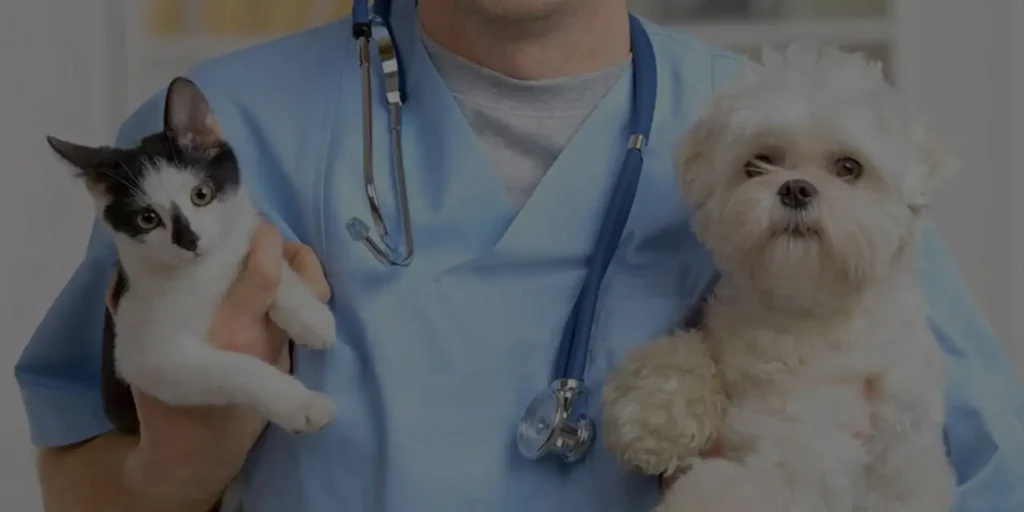


You might be feeling pulled in two directions right now. On one hand, you want fast, reassuring help for your animal, without turning every minor concern into a stressful trip to the clinic. On the other hand, you keep hearing about veterinary telehealth and online consults, and you are not fully sure what is actually allowed, what is safe, or when it is appropriate to use a veterinarian in Southwest Winnipeg.
Maybe it started with a late night worry. Your dog was limping, or your cat suddenly stopped eating, and you thought, “I wish I could just show a vet what I am seeing without packing everyone into the car.” Then you heard that more veterinary clinics are offering video calls, messaging, and remote follow ups, and it sounded like a relief. Until you realized there are rules, limits, and a lot of confusing information.
In a place many pet owners are in right now. You want the convenience of veterinary telehealth services, but you also want to make sure your animal actually gets proper care that follows the law and good medical practice. The short version is this. Telehealth can be very helpful when used in the right way, for the right problems, within clear legal boundaries. It is not a full replacement for hands-on exams, but it can make care more accessible, more continuous, and often less stressful for both you and your animal.
Why are veterinary clinics turning to telehealth, and what does that really mean for you?
Telehealth in veterinary medicine is not just one thing. It covers a range of services. Video consultations. Phone calls. Secure messaging. Remote monitoring. Even reviewing photos and videos you send of your animal at home. Many clinics now offer some form of virtual veterinary care to reduce unnecessary visits, improve follow up, and help you decide when an in-person exam is truly needed.
The pressure to move in this direction grew during the pandemic when people needed care but could not always walk into a clinic. Yet the demand has stayed because the reality of life with animals has not changed. You work long hours. Your dog hates the car. Your cat vanishes the moment the carrier appears. Getting to the clinic is sometimes a project that takes half a day and a lot of emotional energy.
Because of this tension, many clinics now use telehealth for things like post-surgery check ins, behavior discussions, nutrition advice, chronic disease management, and deciding whether a new symptom is an emergency or something that can safely wait. It gives you access to your veterinary team in a way that feels less rushed and more flexible.
At the same time, there are limits. In many places, a veterinarian must have a valid veterinarian client patient relationship, often called a VCPR, before they can diagnose, prescribe, or treat. For example, the U.S. Food and Drug Administration explains how the veterinarian client patient relationship and telemedicine rules affect prescribing animal drugs. The message is clear. Telehealth is powerful, but it has to sit on top of a proper clinical relationship, not replace it.
What are the main worries and hidden challenges with telehealth for pets?
You might already feel some of the friction. You wonder if a video call can really replace a hands-on exam. You worry about paying for a remote consult only to be told you still need to come in. You hear about differing rules from one place to another and feel unsure what applies to you.
Consider a few common scenarios.
Imagine your dog is licking a red patch of skin. Through a video call, the vet can see the area, ask focused questions, and may be able to guide you on basic care or whether a same day in-person visit is needed. That can save you time and avoid a long wait in a busy waiting room if it is not urgent.
Now imagine your cat is breathing fast and seems weak. In that situation, remote care is not enough. A vet cannot listen to the lungs through a screen or check oxygen levels. Telehealth might still play a role, for example a quick call to help you recognize that this is an emergency and to prepare the clinic for your arrival. Yet the actual treatment must happen in person.
There are also legal nuances that clinics have to respect, even when you and your vet both want the convenience of full online care. Some regions, such as Singapore, have issued detailed guidelines on veterinary telehealth that spell out when remote care is allowed, how identity is verified, and how records are kept. In Kentucky, for example, there are specific telemedicine rules for veterinarians that address the VCPR and what can be done remotely.
For you, this means your experience with telehealth might feel different depending on where you live and where your veterinary clinic is licensed. You might be allowed to have general advice calls without an established relationship, but any prescription or diagnosis might require that your animal has been physically examined first.
There is also the emotional side. Many people feel nervous sharing video of their home, or they worry they will not describe symptoms correctly. Some fear being judged for conditions at home, such as clutter, diet choices, or training methods. A good clinic will recognize this and create a safe, respectful environment where telehealth is used to support you, not to criticize you.
Is telehealth right for your animal’s situation? A simple comparison
To make this more concrete, it helps to compare when online vet consultations are likely to help and when an in-person visit is usually better. This is not a strict rulebook, but a guide to start your thinking.
| Situation | Telehealth is usually appropriate | In-person visit is usually needed |
|---|---|---|
| Mild skin issues, small rashes, minor wounds | Good for first look and triage. Vet can see the area on video or photo and advise if urgent care is needed. | Needed if there is deep infection, spreading redness, strong odor, or your animal is in significant pain. |
| Behavior and training concerns | Very well suited. Vet can observe your animal at home and discuss patterns without the stress of a clinic. | Needed if behavior might be driven by pain or neurological disease that requires a physical exam. |
| Follow up after surgery or chronic disease management | Useful for checking healing, reviewing lab results, and adjusting plans when your animal is stable. | Needed if there are signs of infection, severe pain, breathing changes, or sudden worsening. |
| New serious symptoms such as collapse, difficulty breathing, seizures | May help for quick advice while you are on your way, but not as the main source of care. | Emergency in-person assessment is usually essential. |
| General wellness, nutrition, preventive care questions | Often ideal. Great for planning vaccines, diet, weight management, and preventive strategies. | Physical exam still needed at intervals for full wellness assessment and vaccines. |
Seeing these side by side might ease some of the worry. Telehealth is not about cutting corners. It is about using each tool for what it does best, while still respecting the need for hands-on exams when your animal’s safety depends on it.
How can you use veterinary telehealth wisely and confidently?
So, how do you move from confusion to a sense of control when your clinic offers remote care options?
1. Clarify what your clinic’s telehealth service actually includes
Start by asking simple, direct questions. What types of issues are they comfortable handling by video or phone? Can they prescribe through telehealth, and under what conditions? Do they require a recent in-person exam to offer certain services? Understanding their specific approach helps you avoid frustration later.
Ask how they schedule telehealth appointments, how long they last, and what technology you need. Some clinics use secure apps, others use common video platforms. Clarify costs up front so you are not surprised. This turns a vague idea of “online vet care” into a clear, predictable service you can plan around.
2. Prepare for telehealth visits as carefully as you would for in-person exams
Telehealth works best when you treat it as real medical time. Before your appointment, write down your main concerns, the timeline of symptoms, any medications or supplements, and any past conditions that might be relevant. Collect photos or videos that show the issue clearly, for example your dog limping or your cat coughing.
Choose a quiet, well lit spot where your animal can be seen on camera. Have treats or a helper nearby if needed. If your pet is shy, you might record key footage ahead of time. This preparation gives the vet more useful information and often leads to clearer guidance and fewer follow ups.
3. Use telehealth to strengthen, not replace, your ongoing relationship with your vet
Instead of seeing telehealth as a quick stand alone fix, think of it as part of a longer conversation with your veterinary team. It can help you stay in touch between annual exams, check in after starting a new medication, and get timely advice about behavior or nutrition. That continuity often leads to better outcomes because small changes are noticed earlier.
When your vet recommends an in-person visit after a telehealth consult, try to see that not as a failure of telehealth, but as a sign that they are respecting medical limits and putting your animal’s safety first. Over time, you will also get a better feel for which concerns you can comfortably address online and which ones should go straight to the clinic.
Moving forward with more confidence about telehealth and your animal’s care
You might still feel a mix of relief and hesitation when you think about using telehealth for your animal. That is natural. You care deeply, and you do not want to miss something important. The good news is that when used thoughtfully, veterinary clinic telehealth can reduce stress, support better follow up, and give you faster access to guidance, all while respecting the legal and medical boundaries that protect your animal.
You do not have to figure it out alone. Reach out to your trusted veterinary clinic, ask how they are using telehealth, and talk through which options make sense for your situation. The more openly you communicate, the easier it becomes to blend remote and in-person care into a plan that feels safe, humane, and workable for both you and your animal.
Want to know about 4 Signs Your Pet Should Visit An Animal Hospital Immediately Check out our Pets category.