
You might not notice a dental problem right away. Your pet still eats, still greets you at the door, and still acts like everything is fine. Then one day you catch bad breath that seems stronger than usual, or you see red gums, loose teeth, or trouble chewing, and suddenly a small concern feels much bigger. That shift can be unsettling, especially when you realize that dental pain often stays hidden until it has been there for a while. If this sounds familiar, speaking with a veterinarian in Newmarket, ON can help you understand what to look for next.
That is where the role of animal clinics in pet dental health becomes so important. Good dental care is not just about cleaner teeth or fresher breath. It is about catching pain early, preventing infection, and protecting your pet’s comfort over time. When an animal clinic checks the mouth, looks below the gumline, and helps you build a routine at home, you get a clearer path forward and your pet gets care that can spare them from silent suffering.
Why do animal clinics matter so much in pet oral health care?
It helps to start with one simple truth. Pets are very good at hiding pain. A dog with inflamed gums may still wag its tail and eat dinner. A cat with a painful tooth may only seem a little quieter or pickier with food. Because of that, families often miss the early signs, and that is not neglect. It is just the reality of living with animals that cannot tell you what hurts.
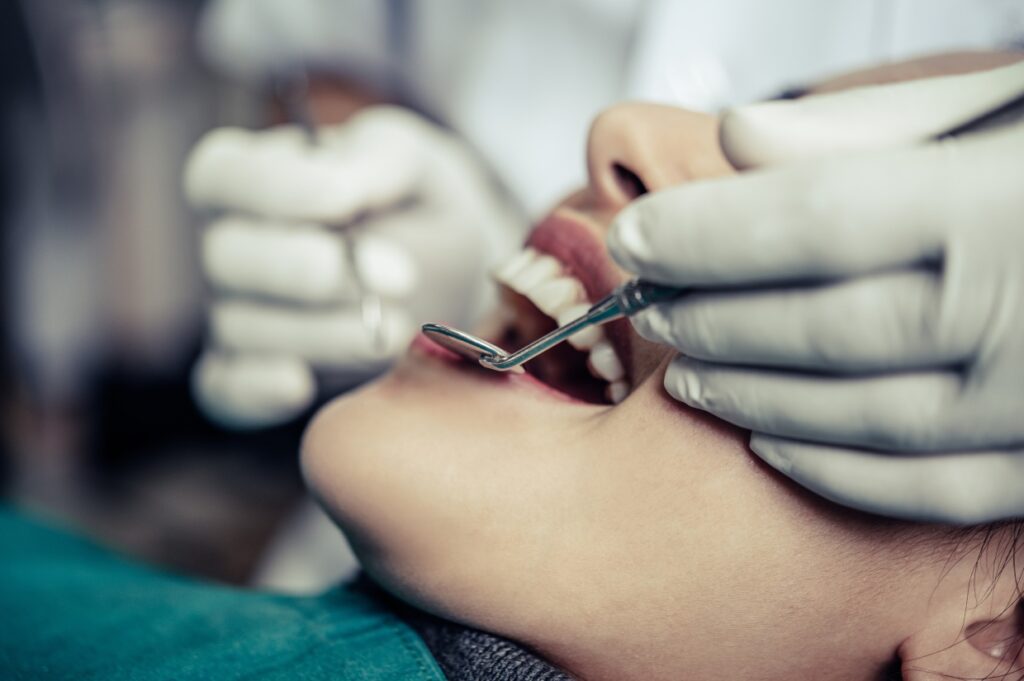
Because of this tension, you might wonder whether brushing at home is enough. Home care matters a lot, but it cannot replace a full dental exam at an animal clinic. During a visit, the team can look for plaque buildup, tartar, gingivitis, broken teeth, oral masses, and signs of infection. In many cases, the real problem sits below the gumline, where it cannot be seen during a quick look at home.
That is a big part of pet oral health care. It is not only cleaning what is visible. It is evaluating the whole mouth, deciding whether imaging or treatment is needed, and helping you understand what is urgent and what can be managed with prevention.
If left alone, dental disease can move from mild plaque to painful periodontal disease. Gums recede, teeth loosen, and bacteria can spread. What starts as bad breath can become chronic pain, trouble eating, and more costly treatment later. So, where does that leave you? Usually with a choice between early, steady care and waiting until your pet is clearly uncomfortable.
What problems can an animal clinic catch before they grow?
An animal clinic often finds issues that are easy to miss at home. These can include gum inflammation, fractured teeth from chewing hard objects, retained baby teeth, infected roots, oral growths, and advanced tartar hidden near the back teeth. In older pets, routine dental checks can uncover problems before they affect appetite or behavior. In younger pets, visits can help set up habits that lower the risk of disease later on.
There is also the money side of this, and that matters. Preventive visits and cleanings can feel like one more expense in a long list of pet care costs. But waiting often leads to extractions, treatment for infection, pain medication, and more involved procedures. In plain terms, small action now can help prevent bigger bills later.
For a helpful overview of common warning signs and daily care tips, the AVMA pet dental care brochure offers clear guidance that many pet owners find reassuring.
How does home care compare with professional dental care at an animal clinic?
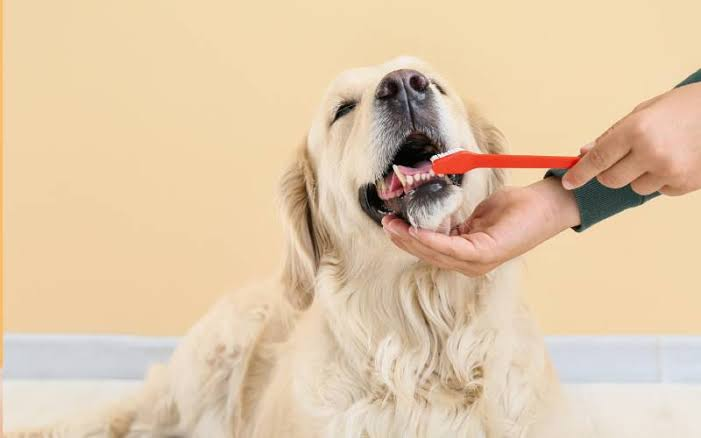
Home care and clinic care work best together, not against each other. Brushing your pet’s teeth, using vet approved dental products, and watching for changes all help. Still, professional care gives your pet something home care cannot. It gives them a full oral assessment, treatment planning, and cleaning where disease often hides.
| Type of Care | What It Helps With | Limits to Keep in Mind |
|---|---|---|
| Tooth brushing at home | Reduces plaque, supports gum health, helps maintain fresher breath | Cannot remove hardened tartar below the gumline or diagnose hidden disease |
| Dental chews or approved products | May slow plaque buildup and support a daily routine | Not every product is effective or safe for every pet |
| Routine exam at an animal clinic | Spots early gum disease, broken teeth, pain, and mouth changes | Needs regular follow through to stay useful |
| Professional dental cleaning and treatment | Removes tartar, evaluates under the gums, treats disease when needed | May involve added cost, testing, and recovery time depending on the pet |
If you want help choosing products that are more likely to support dental health, the AVMA pages on pet dental care resources and oral health education materials can point you toward trusted information.
What can you do right now to support dental care for pets?
1. Look for small changes before they turn into bigger ones.
Check your pet’s breath, gums, and eating habits. Bad breath, drooling, pawing at the mouth, bleeding gums, chewing on one side, or dropping food can all be signs that something is wrong. You do not need to diagnose the issue yourself. You just need to notice that a change is there.
2. Build a simple home routine you can actually keep.
Many people aim for a perfect routine and then stop when life gets busy. A smaller plan often works better. Brush a few times a week if daily feels hard. Use pet safe toothpaste. Ask your clinic which chews, rinses, or diets make sense for your pet’s age and health. Consistency matters more than perfection.
3. Schedule regular dental checks with an animal clinic.
This is one of the most useful steps you can take. A clinic can tell you whether your pet needs monitoring, a cleaning, or treatment for active disease. That guidance can save your pet pain and give you peace of mind. It also helps you understand the full picture of animal clinic dental services, rather than guessing based on breath alone.
When should you stop watching and start acting?
If your pet has bad breath that does not go away, visible tartar, red or bleeding gums, swelling around the mouth, trouble eating, or signs of pain, it is time to act. Even if the symptoms seem mild, they can point to deeper issues. Dental disease rarely gets better on its own, and waiting usually makes treatment harder.
Your pet depends on you to notice what they cannot explain. That can feel like a lot, but you do not have to figure it all out alone. The role of animal clinics in pet dental health is to help you catch problems early, understand your options, and protect your pet’s comfort with care that makes sense. If you have been putting off a dental check, now is a good time to schedule one and get clear answers.
Apart from that, if you want to know more about The Role of Veterinary Technicians in Hospital Care then visit our Pets category.