

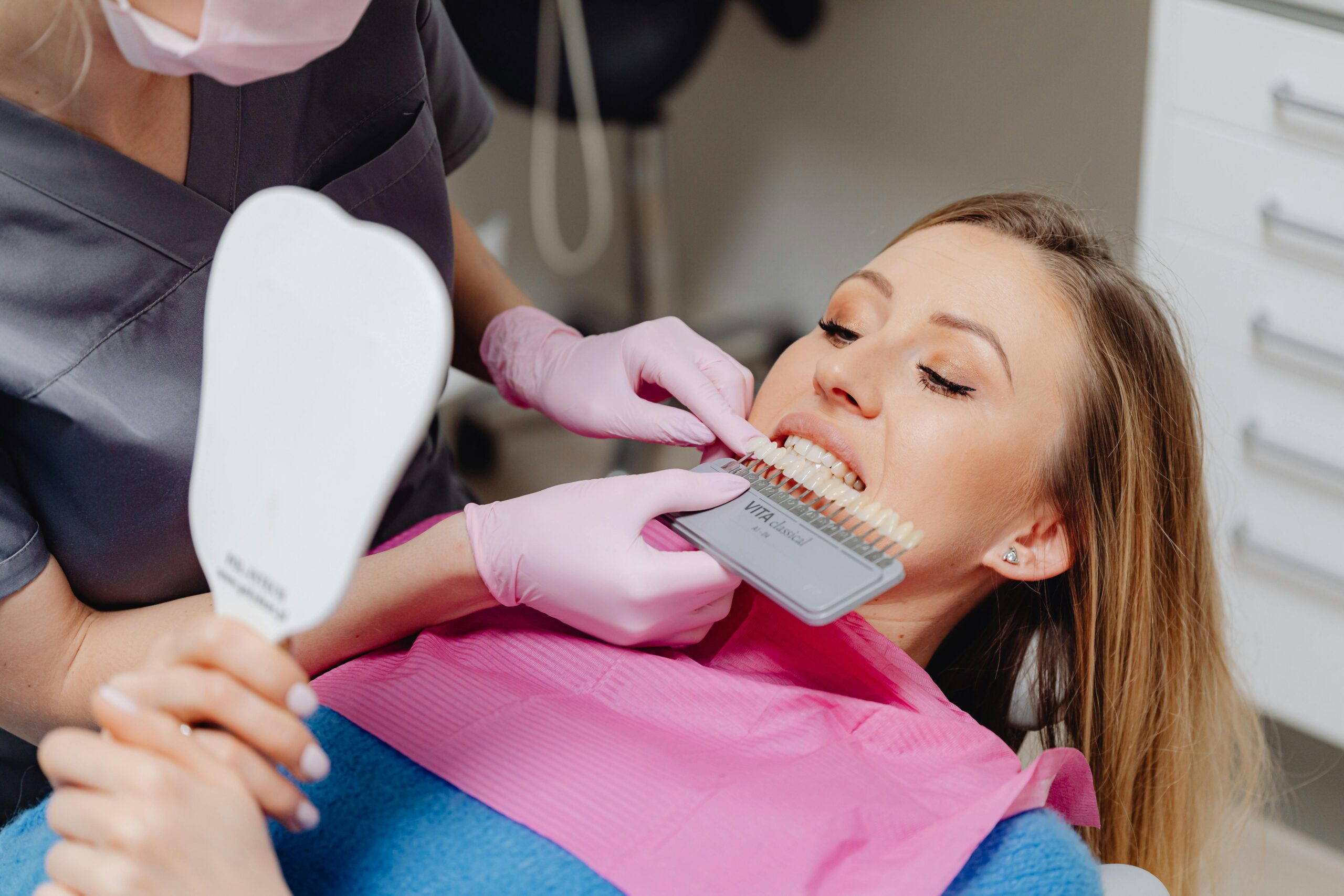
Shade matching in dental restorations affects your smile. A precise match ensures your teeth blend together. This process is important for anyone seeking natural aesthetics in dental work. Your dentist in Kips Bay, New York, plays a key role in this task. They focus on selecting the right shade to match your existing teeth. This effort leads to a result that looks seamless and genuine. Inadequate shade matching can result in mismatches that stand out. You want your dental work to enhance your smile, not highlight differences. Trust in the expertise of your dentist to bring harmony to your dental appearance. While techniques evolve, the fundamental goal remains the same—creating a smile that looks and feels natural. This skill is an art form. It’s essential for achieving the best results in dental restorations. Your confidence can flourish with precise shade matching.
Why Shade Matching Matters
Shade matching is not just about color. It involves matching translucency, texture, and brightness. These elements combine to create a restoration that looks natural. When your new tooth matches the others, it feels like it has always been there. This sense of normalcy boosts your confidence in social settings. A properly matched shade improves interactions, making you feel more comfortable.
Steps in the Shade Matching Process
The process begins with an evaluation. Your dentist examines your teeth and considers factors such as lighting and natural color. Here are the main steps involved:
- Assessment of natural tooth color using shade guides
- Consideration of surrounding colors like gums and lips
- Use of digital technology to capture and analyze tooth color
The dentist uses tools like shade guides and advanced imaging technology to ensure accuracy. Each step is crucial to achieving the perfect match.
Comparison of Shade Matching Techniques
Different techniques are available for shade matching. Some are simple, while others use advanced technology. Here is a comparison of traditional and digital methods:
| Technique | Advantages | Disadvantages |
|---|---|---|
| Traditional Shade Guides | Cost-effective, widely available | Subjective, depends on lighting and vision |
| Digital Imaging | High accuracy, consistent results | Expensive equipment, requires technical skill |
Impact of Lighting and Environment
Lighting affects how a shade looks. Natural light provides the best environment for color matching. Dental offices often use special lighting to mimic natural conditions. Your dentist may also assess shade in different lighting to ensure accuracy. This thorough approach avoids surprises when you see your restoration in everyday conditions.
Role of Technology in Shade Matching
Technology continues to advance in dentistry. Digital tools like spectrophotometers offer precision. These tools analyze the color and provide a digital match. This method reduces human error and improves results. You can learn more about the role of technology in dental care from the National Institute of Dental and Craniofacial Research.
Trusting Your Dentist
Your dentist’s experience is vital. They understand how to balance various factors to achieve a natural look. Discuss your expectations with your dentist. Share concerns and preferences to ensure satisfaction. Trust their expertise to guide you through the process.
Conclusion
Shade matching is essential in dental restorations. It combines science and art to restore your smile naturally. Trust your dentist’s experience and use of technology to achieve the best outcome. For more information on dental procedures and care, the Centers for Disease Control and Prevention offers valuable resources. With the right approach, your dental restorations will blend seamlessly with your natural teeth, enhancing your confidence and smile.
If you want to know more about How Family and Cosmetic Dentistry Work Together for Complete Care, then visit our Health category.