
Introduction
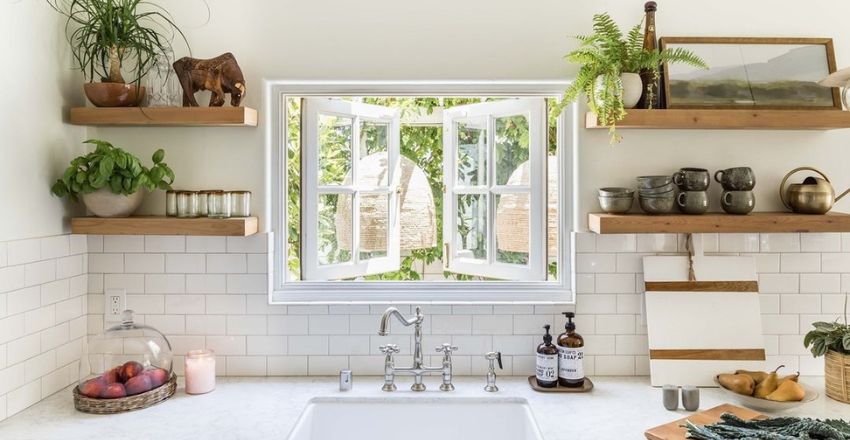
A subway tile backsplash kitchen combines durability, practicality, and style, making it a popular choice for many homeowners. The tiles are easy to clean and resistant to stains and moisture, providing a sleek, polished look.
With various material options, color choices, and design patterns, a subway tile backsplash can complement any kitchen style, from modern to traditional. Whether you prefer DIY installation or hiring a professional, this timeless design is both functional and aesthetically pleasing.
Benefits of a Subway Tile Backsplash
- A subway tile backsplash kitchen offers durability, ease of cleaning, and a polished appearance.
- The tiles resist stains and moisture, making them practical for busy kitchens.
- Their neutral design allows flexibility in pairing with various countertops and cabinets.
- This versatility ensures a cohesive and appealing kitchen design, no matter your style.
Material Choices for Subway Tiles
Subway tiles for a backsplash come in ceramic, porcelain, glass, and even natural stone. Ceramic and porcelain are cost-effective and durable, ranging from $3 to $10 per square foot. Glass tiles provide a sleek, modern look, while natural stone tiles add texture. Each material offers unique benefits for a customized kitchen.
Color Options to Match Your Kitchen
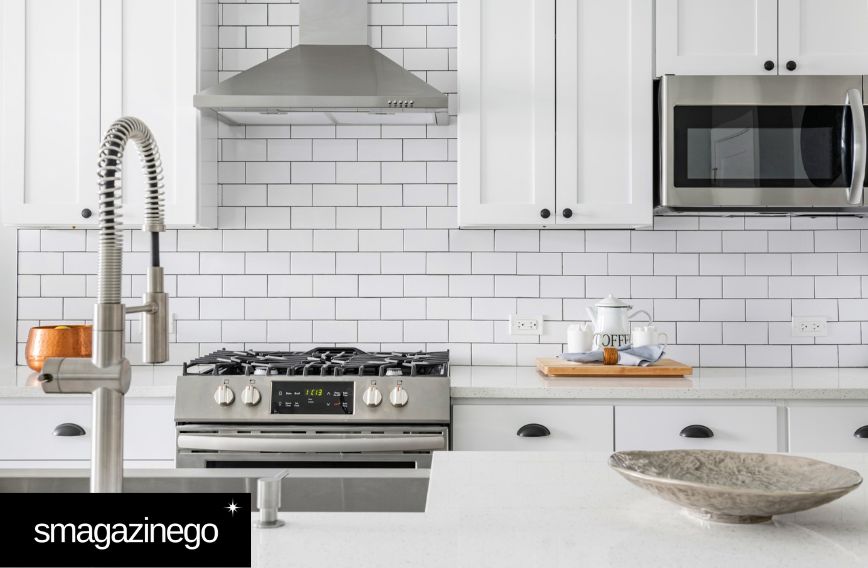
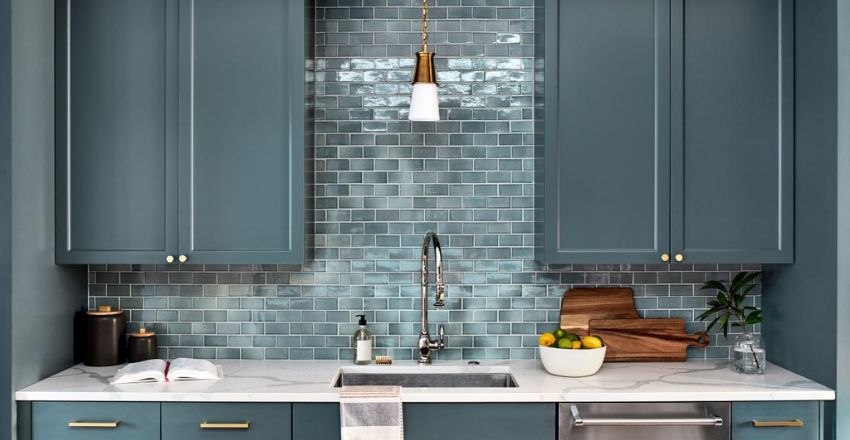
A subway tile backsplash kitchen comes in endless color choices to suit any theme. Classic white tiles create a clean, timeless look, while black or grey add sophistication. For a bold touch, consider colorful tiles in blue or green. Neutral shades like beige blend seamlessly, providing a balanced and modern kitchen vibe.
Why Subway Tile Backsplashes Remain a Timeless Kitchen Feature
Subway tile backsplashes have endured as a staple in kitchen design because they offer a perfect blend of simplicity, versatility, and visual interest that complements a wide range of styles. Originally inspired by classic subway stations, these rectangular tiles are typically laid in a staggered brick pattern that creates clean lines and subtle texture without overwhelming the space. Their neutral appearance makes them equally suited to both modern and traditional kitchens, allowing homeowners to pair them with bold cabinetry or minimalist countertops. Additionally, subway tile is straightforward to clean and durable against splashes and stains, making it a practical choice as well as an aesthetic one. This combination of functionality and timeless appeal explains why subway tile backsplashes continue to be favored by designers and homeowners alike.
Design Patterns to Explore
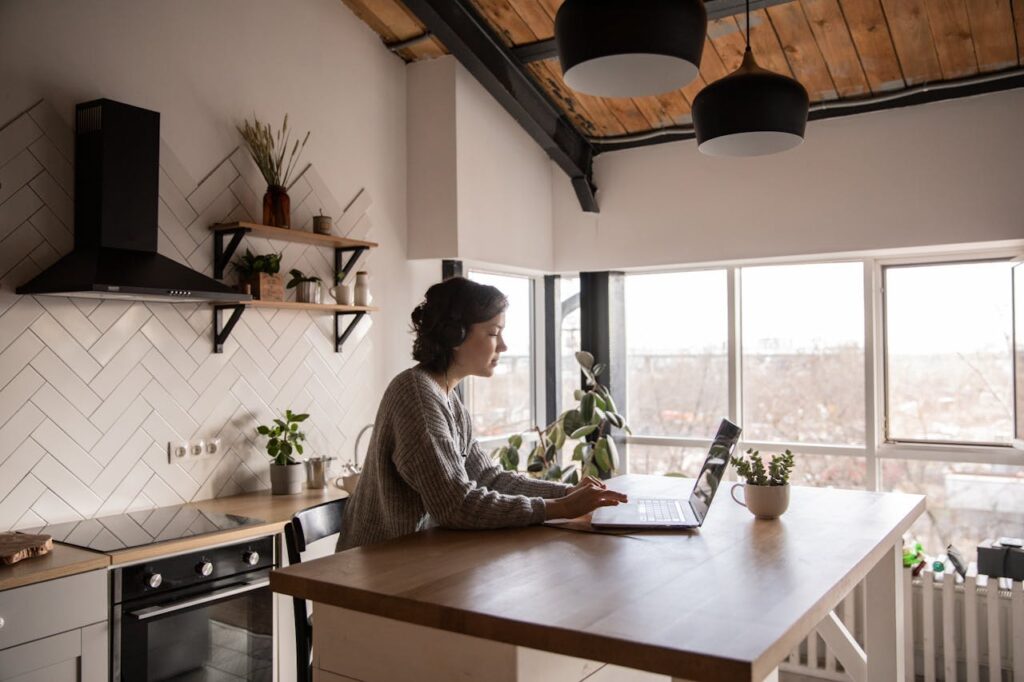
The subway tile backsplash kitchen isn’t limited to the traditional horizontal layout. Vertical stacking creates height, while herringbone patterns add elegance. Diagonal or offset patterns bring uniqueness to your kitchen walls. Experimenting with grout colors, like dark shades with white tiles, adds dimension and highlights the tile arrangement.
Installation Process for Subway Tiles
Installing a subway tile backsplash kitchen involves surface preparation, applying adhesive, and carefully aligning the tiles. Homeowners with DIY skills can save money by handling installation themselves. Alternatively, hiring a professional ensures precision. Costs for professional installation range from $5 to $15 per square foot, depending on complexity and location.
Cleaning and Maintenance Tips
- A subway tile backsplash kitchen is low-maintenance, needing simple cleaning with a damp cloth and mild detergent.
- To prevent discoloration, clean spills promptly.
- Seal grout lines every six months to protect against stains and mildew.
- Proper care keeps your backsplash looking fresh and ensures long-lasting beauty in your kitchen.
Pairing Subway Tiles with Other Kitchen Features
- A subway tile backsplash kitchen pairs beautifully with different countertop materials like quartz, granite, or butcher block.
- Match tile grout to the countertop for a cohesive look, or use contrasting colors for boldness.
- Pairing with open shelving or cabinets in wood or painted finishes enhances the overall aesthetic.
- A subway tile backsplash kitchen isn’t just about aesthetics—it offers several practical features that make it a top choice for many homeowners.
- The flat, smooth surface of subway tiles makes them resistant to accumulating dirt or grime, reducing cleaning time.
- They are also heat-resistant, making them ideal for placement behind cooking areas where splatters are common.
Timeless Appeal of Subway Tiles
The subway tile backsplash kitchen has remained popular for over a century due to its timeless appeal. Originally used in subway stations for cleanliness and durability, this tile design now symbolizes simplicity and elegance in modern homes. Its classic charm ensures it remains a go-to choice for homeowners and designers alike.
Versatility Across Kitchen Styles
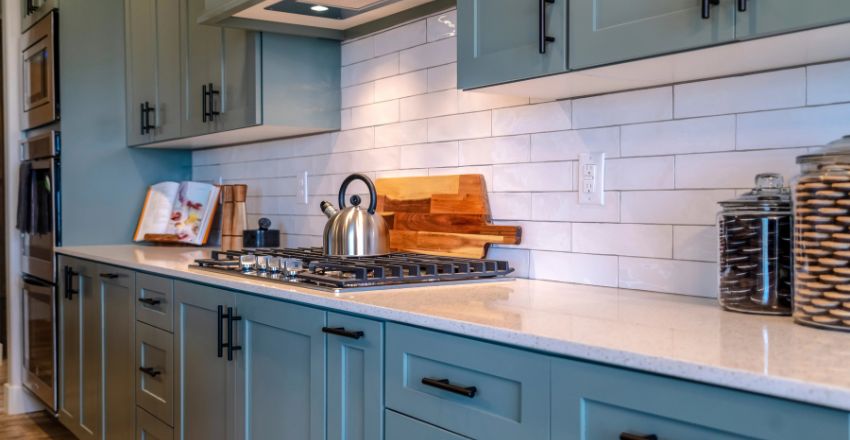
One of the most attractive aspects of a subway tile backsplash kitchen is its versatility. Whether you have a contemporary, rustic, or farmhouse kitchen, subway tiles can adapt to any design. In modern kitchens, you might choose sleek glass or glossy ceramic subway tiles, while in traditional kitchens, matte or textured tiles can add a vintage touch. This ability to blend seamlessly into any style makes subway tiles a favorite in both new builds and renovations.
Sustainability and Eco-Friendly Options
For environmentally conscious homeowners, there are eco-friendly subway tile options available. Recycled glass tiles are a sustainable alternative, and some manufacturers offer ceramic tiles made from natural materials that have been locally sourced. Opting for eco-friendly materials not only reduces environmental impact but also adds to the overall appeal of a green kitchen design.
Accent Tiles and Customization
Another way to personalize your subway tile backsplash kitchen is by incorporating accent tiles. These can be used to break up the uniformity of standard subway tiles or to add a pop of color or texture. Mosaic tiles, decorative borders, or even hand-painted designs can create a one-of-a-kind look.
This allows you to infuse your personality into your kitchen while still maintaining the timeless charm of subway tiles.
Cost
The cost of a subway tile backsplash kitchen varies based on material and installation. Ceramic tiles typically cost between $3 to $10 per square foot, while glass or natural stone tiles range from $15 to $30 per square foot. Professional installation can add $5 to $15 per square foot, with total project costs ranging from $300 to $1,000 or more.

Conclusion
In conclusion, a subway tile backsplash kitchen offers a timeless, versatile design that enhances any kitchen style. Its durability, ease of maintenance, and wide range of material and color options make it a practical yet stylish choice. Whether you opt for classic or modern designs, subway tiles provide lasting appeal and functionality in your kitchen space.
Apart from that if you want to know about “How to Clean a Portable Air Conditioner” then please visit our “Home Improvement” Category.
FAQs
Subway tiles offer durability, ease of cleaning, and a polished, versatile look.
Materials include ceramic, porcelain, glass, and natural stone.
Options include classic white, black, grey, beige, and bold colors like blue or green.
Popular patterns include horizontal, vertical stacking, herringbone, and diagonal.
A subway tile backsplash is made using rectangular tiles, typically arranged in a brick-style pattern, commonly used to protect kitchen walls while adding visual appeal.