
You might not think much about dental technology until something feels off. Maybe a tooth starts to ache, your gums bleed when you brush, or you hear that you need treatment and wonder if it will be painful, expensive, or drawn out. That uncertainty can sit in the back of your mind for weeks. You want care that is accurate, clear, and gentle, but you may not know how much modern tools can change the experience, especially with modern dental solutions in Great Neck. The short version is simple. How General Dentistry Improves Patient Outcomes Through Technology comes down to earlier detection, better planning, more comfort, and fewer surprises.
That matters because oral health affects more than your smile. It can shape how you eat, speak, sleep, and feel day to day. Research from the National Institute of Dental and Craniofacial Research points to the broad link between oral health and overall well being in its Oral Health in America summary. When a general dentist uses the right technology well, small issues are easier to catch before they turn into bigger ones.
Why can modern dental technology make such a difference in everyday care?
For many people, the hardest part of dental care is not the treatment itself. It is the unknown. If you have ever sat in a chair wondering what the dentist sees that you cannot, you know the feeling. Traditional exams still matter, but digital tools can give a clearer picture, and that can lead to better decisions.
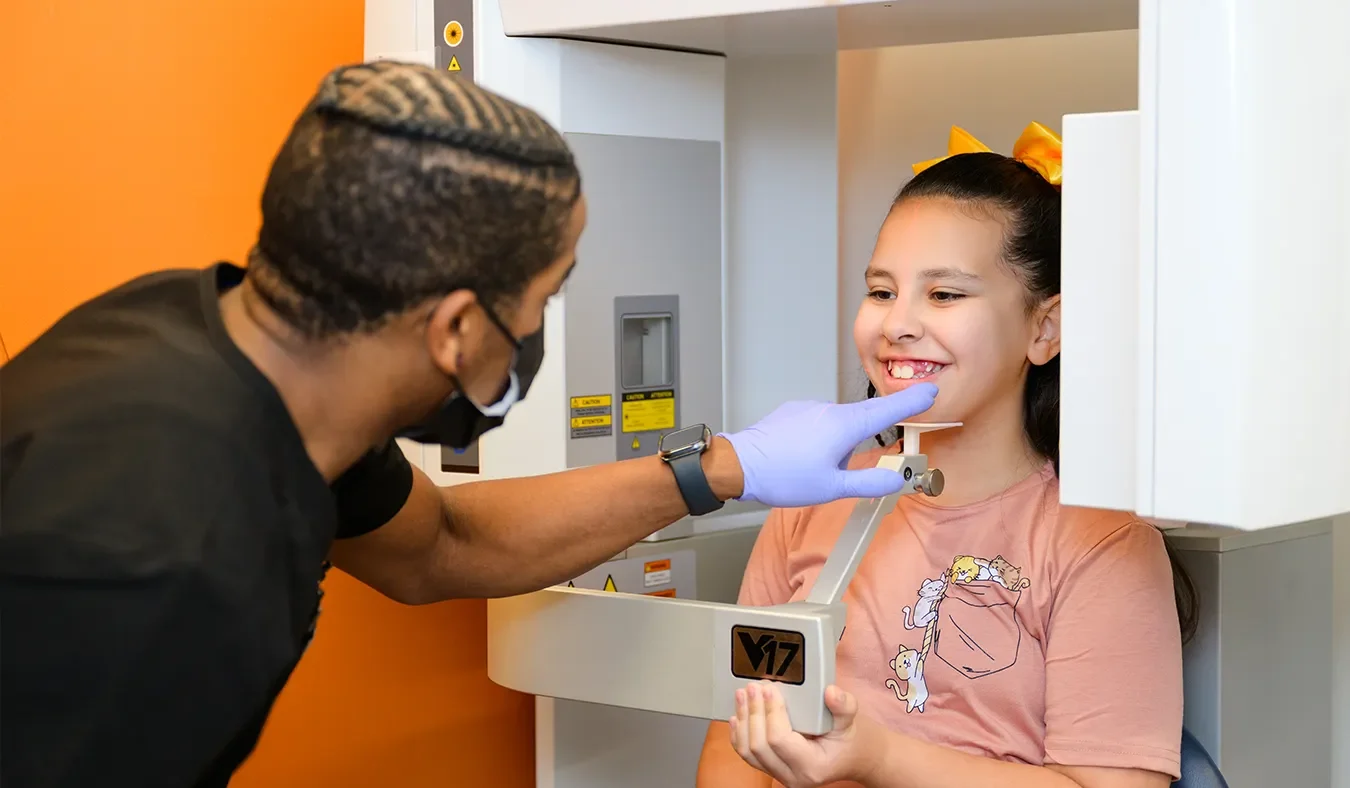
Digital X rays, for example, help spot decay between teeth, changes in bone, or hidden infection sooner than a visual exam alone. Intraoral cameras let you see what your dentist sees on a screen in real time. That may sound small, but it changes the conversation. Instead of being told that there is a crack or a failing filling, you can often see it for yourself. Because of that, treatment feels less mysterious and more like a shared plan.
What does that mean for outcomes? In many cases, earlier diagnosis leads to smaller treatments. A cavity found early may need a simple filling instead of a root canal or crown later. Gum inflammation caught at the start may improve with a cleaning and better home care before it develops into deeper periodontal disease. Dental technology in general practice often supports one goal above all else, which is preventing avoidable damage.
What problems can a general dentist catch earlier with better tools?
A lot, especially the issues that do not hurt right away. That is part of the problem. Pain usually shows up after damage has already been building. A general dentist using digital imaging, cavity detection tools, and modern charting systems may be able to spot concerns before they interrupt your life.
Think about a common scenario. You skip a visit because nothing feels wrong. Months pass. A small area of decay grows under an old filling, and by the time you notice sensitivity, the tooth may need more than a quick repair. Now the cost is higher, the visit is longer, and the stress is real. Technology does not remove every risk, but it helps reduce blind spots.
It can also improve follow through. When scans and photos are stored clearly, your dentist can compare changes over time instead of relying on memory or rough notes. That matters for watching gum recession, wear from grinding, or healing after treatment. If you have ever wondered whether a recommendation is truly needed, visual records can offer peace of mind.
If you want to keep up with advances shaping patient care, the latest NIDCR news and updates show how research continues to influence oral health tools and treatment.
How does technology improve comfort, time, and trust during treatment?
Better outcomes are not only about finding disease. They are also about helping you get through care with less strain. Many modern dental offices use digital impressions instead of older putty molds for certain procedures. For patients with a strong gag reflex or anxiety, that can make a big difference. Laser tools in some settings may support soft tissue treatment with less bleeding and easier healing. Electronic records can also cut down on errors, delays, and repeated questions.
Then there is trust. When your dentist can explain your condition with images, scans, and side by side comparisons, you are more likely to understand the reason for treatment. That can lower the chance that you put off care out of fear or confusion. And when care happens sooner, outcomes often improve. So, where does that leave you? It leaves you with a simple question to ask at your next visit, which is not just what treatment you need, but how technology may help make it more precise and more comfortable.
What should you compare when looking at technology in general dental care?
Not every tool is necessary for every patient, and newer is not always better just because it is newer. What matters is whether the technology helps your dentist diagnose clearly, explain your options, and treat you with less guesswork. This quick comparison can help.
| Area of Care | Traditional Approach | Technology Supported Approach | Possible Patient Benefit |
|---|---|---|---|
| Diagnostics | Visual exam and standard film X rays | Digital X rays and intraoral imaging | Earlier detection and clearer communication |
| Treatment Planning | Verbal explanation only | Photos, digital records, and side by side comparisons | Better understanding and more confidence in decisions |
| Impressions | Physical molds | Digital scanning in some cases | More comfort and fewer remakes |
| Monitoring | Periodic notes and memory based comparison | Stored images and detailed electronic charting | More accurate tracking over time |
What can you do right now to get better results from your dental care?
1. Ask how problems are detected. If a dentist recommends treatment, ask what tools were used to find the issue and whether you can see the image or scan. That small step can help you understand the problem instead of feeling talked into a procedure.
2. Do not wait for pain to be your signal. Many serious dental issues start quietly. If it has been a while since your last exam, scheduling a visit now gives your provider a better chance to catch something early, when treatment is often simpler and less costly.
3. Look for care that blends skill with clear communication. Technology matters, but it works best in the hands of a thoughtful provider. Pay attention to whether your questions are answered in plain language and whether the office uses tools to educate you, not just impress you.
Modern general dentistry is not about replacing personal care with screens and devices. It is about giving your dentist better information, so you get treatment that is more timely, more precise, and often easier to manage. If you have been putting off a visit because you are worried about what might happen, that feeling is understandable. Still, the right care at the right time can change the whole story, and a technology supported approach may help you move from uncertainty to relief.
Apart from that, if you want to know more about 5 Ways General Dentistry Supports Orthodontic Success then visit our Health category.