
You might be feeling pulled in two directions right now. On one side, you want straighter teeth or a healthier bite. On the other, you are juggling appointments, costs, and the worry that if one thing goes wrong, the whole orthodontic plan could fall apart. It is a lot to manage, especially if you are trying to coordinate care between a general dentist and an orthodontist at GF Dental in Rowlett TX.
Maybe you have wondered if you really need both. Maybe you have thought, “If I am already seeing an orthodontist, why do I still need regular dental checkups and cleanings?” Or you are a parent trying to keep track of treatment for a teenager who is not always thrilled about brushing around brackets and wires.
The truth is simple. Orthodontic treatment works best when it is built on a foundation of healthy teeth and gums. General dental care and orthodontic care do not compete. They support each other. When they work together, your treatment is usually smoother, safer, and more likely to last.
Here is the short version. General dentistry protects your teeth and gums during orthodontic treatment, catches problems early, coordinates with your orthodontist on timing and treatment choices, helps you maintain good home care, and supports long term stability once the braces or aligners come off.
Why does healthy everyday dental care matter so much during orthodontic treatment?
Think about what orthodontic treatment is asking your mouth to do. Teeth are being moved through bone. Gums are adjusting. Your bite is changing. All of this is a controlled process, but it is still stress on your mouth. If your teeth or gums are already struggling, that stress can turn a manageable situation into a serious problem.
Here is where the tension often starts. You get excited about straighter teeth, you commit to braces or aligners, then daily life hits. Work gets busy. Kids get sick. Brushing around brackets takes longer. Flossing is harder. Because of this, you might skip a cleaning or postpone a dental exam. That is completely understandable, yet it is also how small problems get a head start.
Stuck wondering if you are doing enough, and maybe feeling guilty every time you see a plaque spot around a bracket. You do not need more guilt. You need a clear picture of how your general dentist and orthodontist can share the load with you.
Five ways general dentistry and orthodontics work together for better outcomes
Here are five concrete ways general dentistry supports orthodontic success, and why staying connected with both providers matters.
1. Keeping teeth strong and cavity free while they move
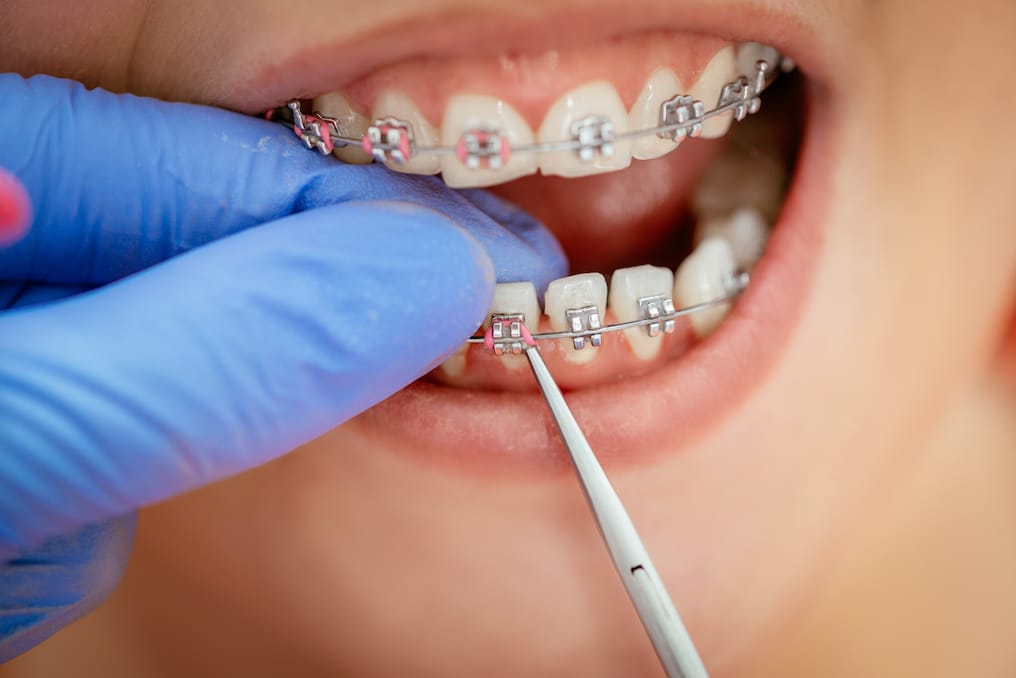
Braces and orthodontic appliances create extra hiding places for food and plaque. Even with good effort, cleaning around brackets, wires, and bands takes more time and skill. If professional cleanings and exams are stretched too far apart, decay can sneak in around those areas.
Your general dentist can:
- Do regular cleanings that reach what your toothbrush and floss might miss
- Apply fluoride treatments if you are at higher risk of cavities
- Spot early white spots or enamel changes around brackets before they become full cavities
Good daily home care is essential. If you want a refresher, the National Institute of Dental and Craniofacial Research has clear guidance on basic oral hygiene habits.
2. Protecting your gums so treatment can stay on track
Gums that are swollen, tender, or bleeding easily are not just an annoyance. They can slow orthodontic progress and make adjustments uncomfortable. Gum inflammation can also hide deeper problems like early periodontal disease.
Your general dentist monitors gum health closely. They can:
- Measure pockets around teeth to check for early gum disease
- Recommend more frequent cleanings if plaque and tartar are building up
- Coordinate with your orthodontist if any teeth need extra support or a pause in movement
Untreated gum disease can lead to bone loss, which affects how teeth move and how stable they are after treatment. For more detail, the CDC explains the basics of gum and periodontal disease.
3. Timing treatment so your mouth is ready for movement
Before braces or aligners go on, your general dentist can make sure your mouth is ready. If there are untreated cavities, broken fillings, or infections, moving the teeth anyway is like remodeling a house on a cracked foundation.
General dental care supports orthodontic planning by:
- Completing fillings or crowns so teeth are solid before brackets are attached
- Treating infections or abscesses so they do not flare up mid treatment
- Removing problem teeth, such as badly damaged molars, before they complicate your bite
This preparation phase can feel like a delay. In reality, it often shortens orthodontic treatment overall, because there are fewer surprises and interruptions later.
4. Reducing risks from “shortcut” or DIY orthodontic options
There are many advertisements for mail order aligners or very fast orthodontic options. Some people are good candidates. Others are not. Without a full dental exam and X rays, it is hard to know which group you are in.
A general dentist who knows your history can spot red flags, such as:
- Existing gum disease or bone loss that could worsen with tooth movement
- Large fillings or root canal treated teeth that need special care
- Jaw or bite problems that simple aligners cannot safely correct
This does not mean you cannot choose convenient options. It means you do so with eyes open, guided by someone who understands your whole mouth, not just the alignment of your front teeth.
5. Protecting your results after the braces or aligners come off
When treatment is finished, it is exciting. Teeth look straighter. Your smile feels different. Then you hear one more instruction. Wear your retainers. That part is not glamorous, yet it is what keeps everything from slowly drifting back.
Long after orthodontic visits taper off, your general dentist is the one who will:
- Check that your retainers still fit and are not causing irritation
- Watch for any small shifts in your bite
- Address grinding, clenching, or other habits that can move teeth over time
This ongoing relationship is what protects your investment. It turns a short term orthodontic win into a long term healthy smile.
What are the real world tradeoffs when you combine or separate your care?
It can help to see the differences side by side. Imagine two paths. In one, you keep regular appointments with both your general dentist and orthodontist. In the other, you mostly see the orthodontist and only call the dentist if something hurts. How might these paths compare over time?
| Care Approach | Short Term Experience | Common Risks | Long Term Outcome |
|---|---|---|---|
| General dentist and orthodontist working together | More structured schedule, clear guidance, slightly more appointments | Lower risk of cavities around brackets, better gum health, fewer treatment delays | Straighter teeth with healthier enamel and gums, more stable results |
| Orthodontic care with minimal general dental visits | Fewer appointments at first, feels simpler | Higher chance of unnoticed decay, gum problems, or infections during treatment | Results may look good at first but can be undermined by weakened teeth or gum loss |
| DIY or mail order aligners without in person dental exams | Convenient, fewer office visits, often lower upfront cost | Movement on unhealthy teeth, missed gum disease, bite problems not fully corrected | May need later repair work or retreatment with a local dentist and orthodontist |
If you are wondering how to protect yourself on any of these paths, good daily habits still matter. The CDC offers straightforward oral health tips for adults that apply whether you have braces, aligners, or retainers.
What can you do right now to support your orthodontic success?
You do not need to fix everything at once. A few focused steps can make a real difference in how smoothly your orthodontic care goes.
1. Schedule or maintain regular checkups with your general dentist
If you are in active orthodontic treatment and it has been more than six months since a cleaning or exam, call your general dentist. Tell them you are in braces or aligners and ask if they recommend more frequent cleanings. Many patients benefit from visits every three to four months while appliances are in place.
2. Ask your orthodontist and dentist to share information
At your next appointment, give permission for your orthodontist and general dentist to communicate. This could include sharing X rays or treatment notes. When both know the full picture, they can time procedures better and avoid working at cross purposes.
3. Upgrade your home care tools and routines
Orthodontic treatment often means your old brushing and flossing routine needs an update. You might ask your general dentist about:
- Interdental brushes to clean around brackets and between teeth
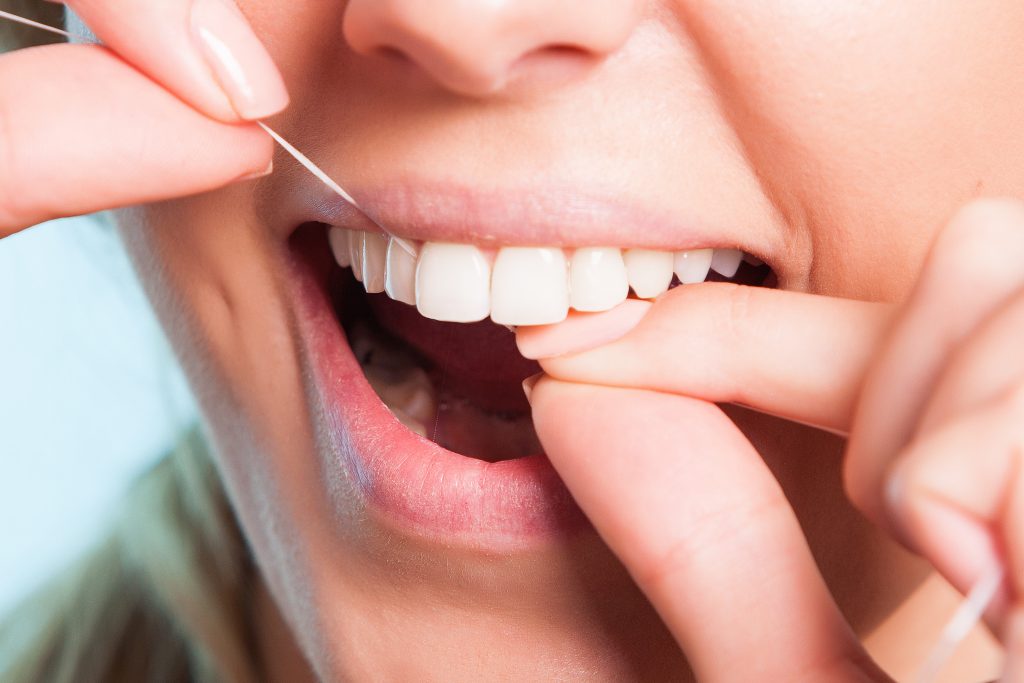
- Floss threaders or water flossers if regular floss is difficult
- Fluoride toothpaste or mouthrinse to strengthen enamel
Choose one small change and commit to it for a few weeks. Once that feels natural, add another. Little improvements, repeated daily, carry you through treatment more safely than occasional bursts of effort.
Moving forward with confidence in your team and your smile
You are not supposed to manage all of this alone. A strong partnership between your general dentist and orthodontist is what turns straightening teeth into a safer, more stable result. Healthy teeth and gums make it easier for orthodontics to do its work. Orthodontics, in turn, makes it easier to clean and care for your mouth in the years ahead.
As you weigh your options for orthodontic and general dental care, remember that every question you ask and every appointment you keep is an investment in your future comfort and confidence. You deserve a smile that looks good and feels healthy, not just on the day the braces come off, but long after.
Apart from that if you want to know about How General Dentistry Focuses On Long Term Prevention then please visit our Health Category.