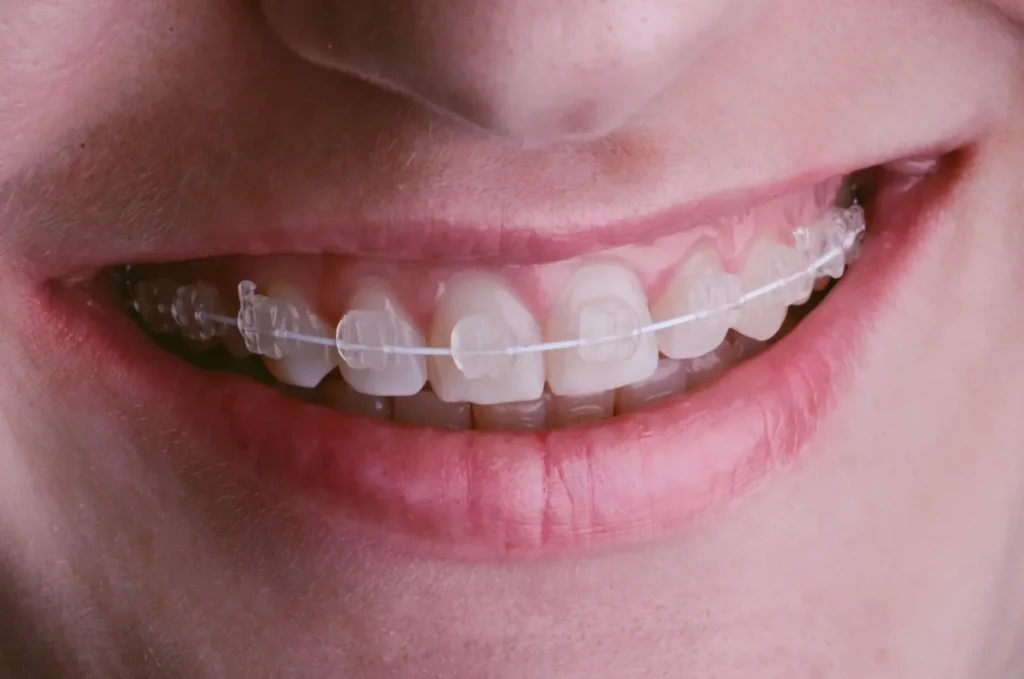

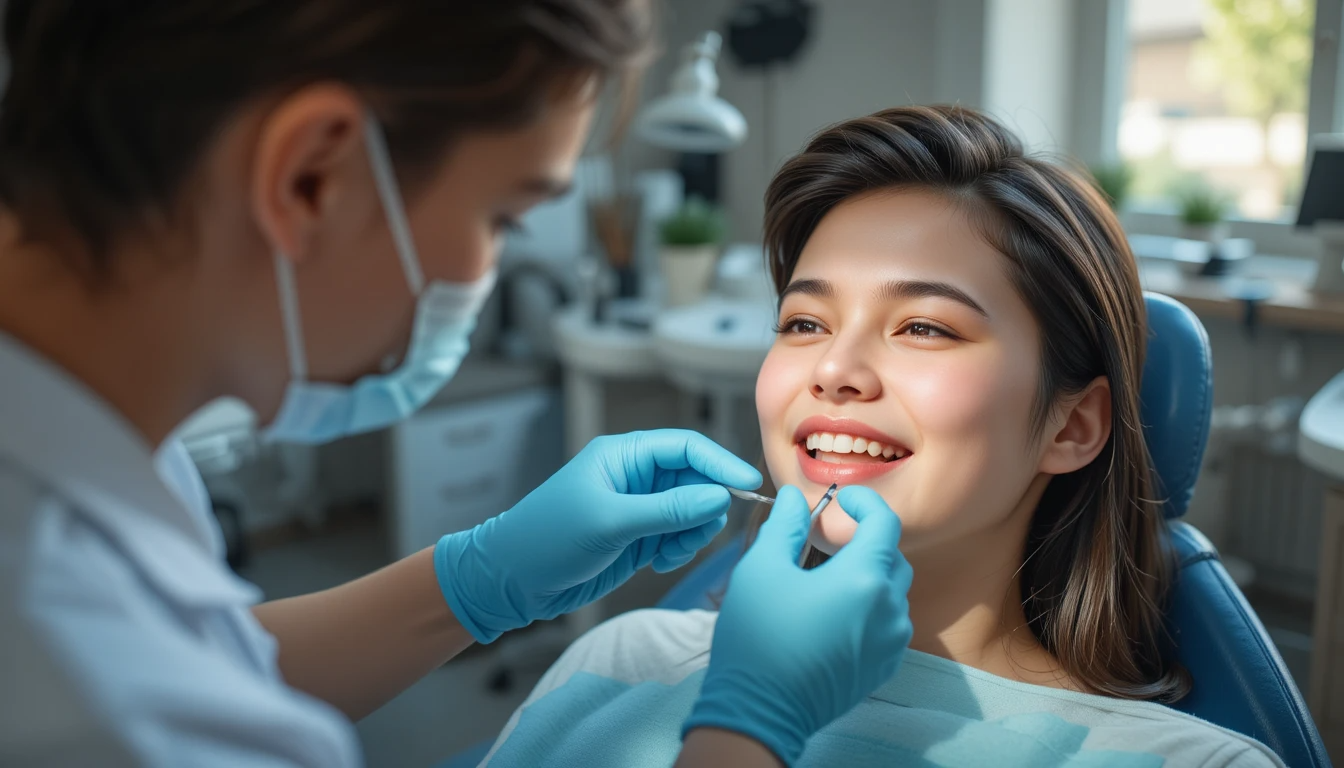
Adolescence shakes up the mouth as much as the mind. Hormones change, eating habits shift, and routines slip. You might see bleeding gums, new cavities, or teeth starting to crowd. A family dentist guides you through this rough stretch. Regular visits catch small problems before they turn into pain or infection. Simple checks, cleanings, and honest talks about sugar, sports drinks, and vaping protect your teeth and gums. Clear guidance on brushing, flossing, and mouthguards keeps your smile strong during sports and late nights. When teeth move out of line, your dentist can discuss options such as Invisalign in Barrie and other orthodontic care. This support gives you structure when everything else feels uncertain. It helps you avoid long term damage, reduce fear, and build habits that last into adult life.
Why Teen Mouths Change So Fast
During adolescence, the body grows fast. The mouth tries to keep up. New habits and stress add to the strain.
- Hormones increase blood flow to gums. Gums swell and bleed more easily.
- Teens snack more, drink more sugar, and stay up late. Brushing often becomes rushed.
- Braces, clear aligners, and sports gear put new pressure on teeth and jaws.
This mix raises the risk of cavities and gum disease. The Centers for Disease Control and Prevention explains that teens already carry a high burden of tooth decay.
How A Family Dentist Protects Teen Oral Health
A family dentist sees young children, teens, and adults in one place. This steady link helps you stay on track through each stage.
During routine visits, the dentist and team will usually
- Check teeth, gums, and jaw growth
- Clean away plaque and hardened tartar
- Apply fluoride when needed
- Suggest sealants for back teeth that trap food
- Review brushing and flossing skills
- Talk about food, drinks, vaping, and tobacco
Each step lowers risk. The dentist not only treat problems. The goal is to stop them before they begin.
Habits That Stick Into Adult Life
Teens test limits. That includes health. A family dentist can act as a steady voice when parents feel worn down.
During visits, teens learn to
- Brush twice a day with fluoride toothpaste
- Floss once a day, even with braces or aligners
- Use a mouthguard for contact sports
- Limit sugary drinks and late-night snacks
- Say no to vaping and tobacco
These habits protect the mouth. They also build a sense of control and respect for health. The National Institute of Dental and Craniofacial Research explains how daily care and fluoride lower decay across a lifetime.
Read More: 5 Common Orthodontic Treatments Every Patient Should Know
Common Teen Oral Health Risks
Teens face a specific set of threats. Many are preventable.
- Cavities. Frequent snacking, sticky foods, and energy drinks feed cavity bacteria.
- Gum disease. Swollen gums that bleed with brushing are an early warning sign.
- Sports injuries. A hit to the mouth can knock out or break a tooth.
- Teeth grinding. Stress can lead to clenching and grinding during sleep.
- Vaping and tobacco. These products dry the mouth and damage gum tissue.
A family dentist spots these patterns early. Then you and your teen can adjust before damage builds.
Comparing Key Supports For Teen Oral Health
You and your teen have many choices. Some support work together. The table below gives a quick comparison.
| Support | Main purpose | How often | Benefit for teens |
| Routine dental visit | Check health and clean teeth | Every 6 to 12 months | Catches problems early and reduces fear of care |
| Fluoride toothpaste | Strengthen tooth enamel | Twice a day | Reduces cavities from sugar and acid |
| Dental sealants | Shield grooves in back teeth | Every few years as advised | Protects hard to clean chewing surfaces |
| Mouthguard | Protect teeth during sports | Every game or practice | Lowers risk of broken or lost teeth |
| Orthodontic treatment | Align teeth and bite | Varies by plan | Improves function, cleaning, and confidence |
Orthodontic Care As Part Of Family Dentistry
Many teens need help with crowding, gaps, or bite problems. A family dentist can
- Watch jaw and tooth growth over time
- Refer to an orthodontist when needed
- Support care during braces or aligner treatment
- Teach special cleaning steps around wires or trays
Aligned teeth are easier to clean. Food and plaque clear faster. That lowers the risk of decay and gum disease during the teen years and later.
Handling Fear, Shame, And Missed Visits
Many teens feel shame about their teeth. Some feel fear about treatment. Missed visits then become common.
A family dentist helps by
- Using clear, simple words to explain each step
- Allowing questions and honest reactions
- Praising small gains instead of focusing on blame
- Creating a plan that fits school, work, and sports
This calm approach turns the dental office into a safe place. Teens learn that problems are fixable. They also learn that pain is not a punishment. It is a signal that deserves prompt care.
How Parents And Caregivers Can Support Teens
Parents and caregivers play a strong role. You can
- Keep regular checkups on the calendar
- Stock fluoride toothpaste and floss at home
- Limit sugary drinks at home and in lunches
- Model your own regular dental visits
- Talk openly about stress, vaping, and tobacco
This steady support, paired with a trusted family dentist, protects your teen during a hard season. Teeth and gums stay stronger. Confidence grows. The habits you build now carry into adult life and protect health for many years.
Apart from that if you want to know about How Family Dentistry Builds Trust For Lifelong Oral Care then please visit our Health Category.