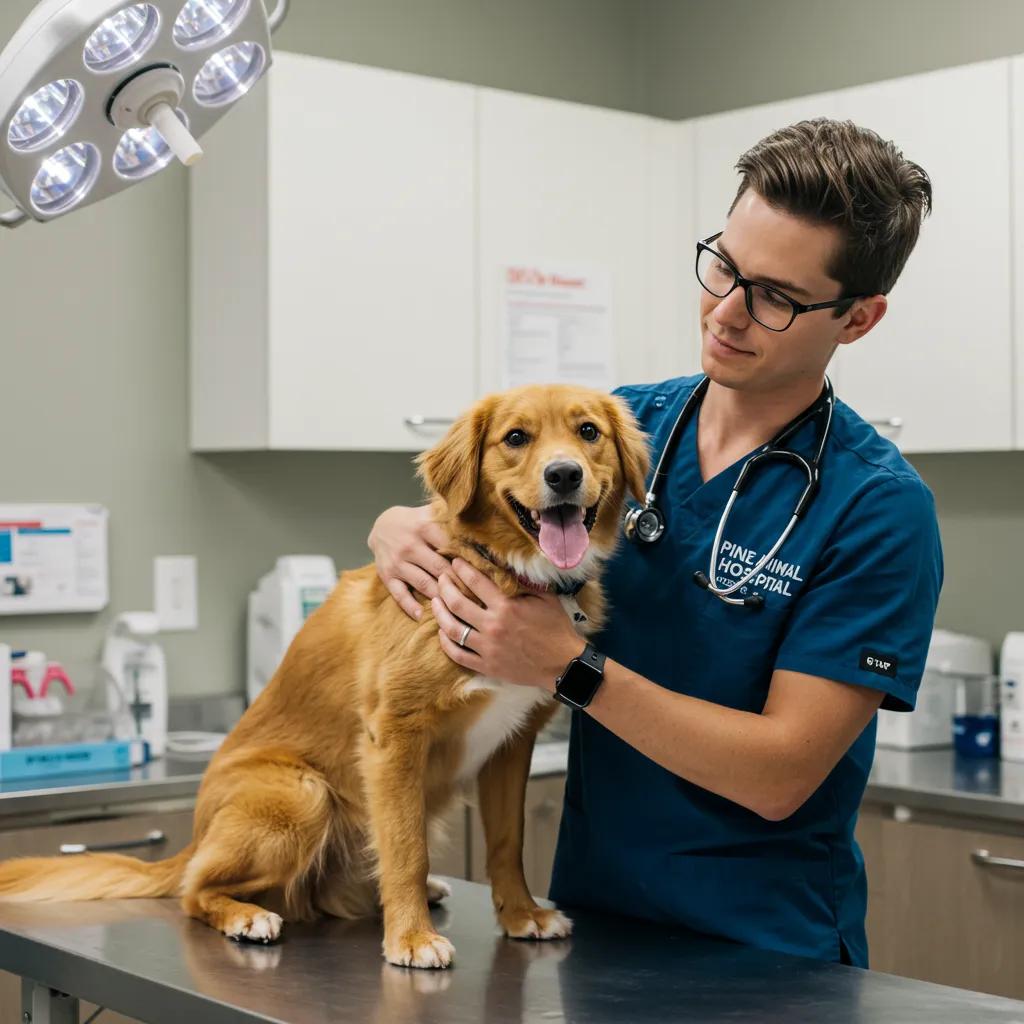

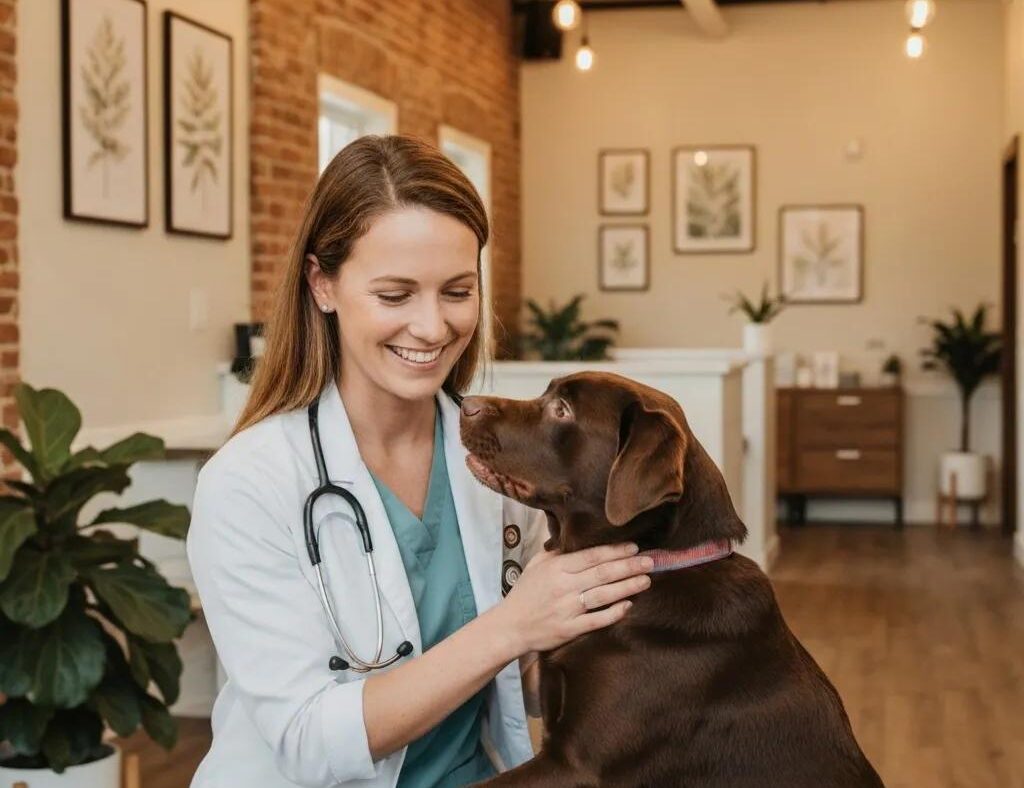
Before surgery, general veterinarians follow four main steps: a pre-surgery physical exam, pre-anesthetic bloodwork and risk assessment, a tailored anesthesia and pain control plan, and careful preparation and monitoring on the day itself. Each step is a safety checkpoint designed to catch hidden problems and adjust the plan to your individual pet.
If you are about to hand your dog or cat over for a spay, dental cleaning, mass removal or another procedure, it is normal to feel anxious. Knowing what happens behind the clinic doors helps you ask better questions, prepare your home and feel like a partner in your pet’s care rather than someone signing a form and hoping for the best.
Why Pre-Surgery Steps Matter So Much
Pets cannot tell us when something feels off. A dog may hide early kidney changes, and a cat may mask a heart problem until it is advanced. Anesthesia puts extra demands on the heart, lungs, liver and kidneys, so problems that are invisible at home can affect how safely a pet goes to sleep and wakes up.
The pre-surgery process exists to close that gap. It gives the veterinary team a clear picture of your pet’s health, lets them classify anesthetic risk and choose drugs, doses and monitoring that fit. Whether you use a large hospital or a local practice such as Hillsdale veterinary care, you can expect a version of these four steps before any planned procedure.
The 4 Steps at a Glance
| Step | What happens | What it protects against |
|---|---|---|
| 1. Pre-surgery exam | Full physical check and health history | Missed heart, lung, hydration or weight issues |
| 2. Bloodwork and risk assessment | Lab tests and an overall anesthetic risk rating | Hidden organ disease, anemia, clotting or blood sugar problems |
| 3. Anesthesia and pain plan | Drugs, doses, fluids and pain relief chosen for your pet | Unsafe drug choices and poorly controlled pain |
| 4. Preparation and monitoring | Weighing, IV catheter, clipping, intubation, continuous monitoring | Unnoticed changes in breathing, heart rate, blood pressure or temperature |
Step 1: The Pre-Surgery Physical Exam
Before any incision, your general veterinarian performs a focused physical exam. It is the first and most basic safety checkpoint, not a formality.
What the vet checks
- Heart and lungs: listening for murmurs, irregular rhythms, crackles or wheezes.
- Gum color and capillary refill: a quick indicator of circulation and oxygenation.
- Hydration: skin elasticity and moistness of the gums.
- Abdomen: feeling for pain, enlarged organs or masses.
- Weight and body condition: needed for accurate drug doses and to judge whether a pet is under- or overweight.
- Mouth, eyes, ears and skin: for infection or other issues that might change the plan.
- Temperament: a very anxious pet may benefit from calming medication before the visit.
What the vet asks you
Expect questions about appetite, thirst, energy, coughing, vomiting, diarrhea and any recent changes. Your vet will also want to know about every medication, supplement, flea and tick product or over-the-counter remedy your pet receives, because some can interact with anesthetics or affect bleeding.
Sometimes the exam changes the timeline. A cat scheduled for a routine dental cleaning might turn out to have a fast or irregular heartbeat. In that case, the safest choice is often to pause the dental work and investigate the heart first. That delay is not a setback; it shows your vet is putting safety ahead of speed.
Step 2: Bloodwork and Anesthetic Risk Assessment
After the exam, most general veterinarians recommend pre-anesthetic blood tests. Owners often ask whether these are really necessary for a simple procedure. The answer is that bloodwork shows what a physical exam cannot.
What blood tests can reveal
- Kidney values: the kidneys help clear many drugs and are sensitive to low blood pressure under anesthesia.
- Liver values: the liver processes many anesthetic and pain medications.
- Blood sugar: important for young, small, diabetic or very old pets.
- Red blood cells: anemia reduces how much oxygen reaches tissues.
- White blood cells: may point to infection or inflammation.
- Platelets and sometimes clotting tests: to reduce the risk of unexpected bleeding.
- Electrolytes and protein levels: which affect fluid balance and drug action.
A dog with early kidney disease may act completely normal at home, yet bloodwork can flag it before surgery. That lets your vet increase fluid support, adjust blood pressure management or choose different drugs. Depending on age and history, your vet may also suggest a urine test, chest X-rays, an ECG or blood pressure measurement.
How risk is classified
Using the exam and test results, the veterinarian assigns an overall anesthetic risk category, from healthy patients to those with significant disease. Many practices follow published guidance such as the AAHA anesthesia toolkit from the American Animal Hospital Association to structure this assessment and to select safer options for higher-risk patients. The category guides every decision in the next step.
Step 3: Planning Anesthesia and Pain Control
With a clear picture of your pet’s health, the vet designs an anesthesia and pain control plan. No two plans need to be identical, even for the same procedure.
What a typical plan includes
- Premedication: sedative and pain-relieving drugs that calm your pet and reduce how much anesthetic is needed later.
- Induction: an injectable drug that takes your pet smoothly into unconsciousness.
- Maintenance: usually an inhaled gas anesthetic delivered through a breathing tube, adjusted minute by minute.
- Fluids: intravenous fluids to support blood pressure and organ function.
- Local anesthetic blocks: numbing specific areas, such as for dental extractions, to reduce pain and the amount of general anesthetic required.
- Pain relief after surgery: medications continued into recovery and at home so waking up is as comfortable as possible.
Here is how it can differ in practice. A young, healthy dog coming in for a spay may receive one standard combination of medications. A senior cat with mild kidney changes may receive gentler drugs, lower doses and extra fluids. Same type of surgery, very different plan.
Monitoring plan
The vet also decides how your pet will be monitored. This often includes heart rate and rhythm (ECG), oxygen saturation, carbon dioxide levels in exhaled breath, blood pressure and body temperature. Modern veterinary anesthesia guidance encourages continuous monitoring by a trained team member who also observes the patient directly, rather than relying on machines alone.
Step 4: Preparation and Monitoring on Surgery Day
The last step turns the plan into real-time care. Much of it happens out of your sight, but it is among the most important parts of the process.
- Check-in: staff confirm the procedure, fasting instructions and your contact number, and ask about any changes since the last exam.
- Weighing again: drug doses are calculated from the current weight.
- Premedication: given so your pet is calm and comfortable before anesthesia.
- IV catheter: placed in a leg vein for fluids and quick access to emergency drugs.
- Induction and intubation: your pet is put to sleep and a breathing tube is placed to protect the airway and deliver oxygen and anesthetic gas.
- Clipping and cleaning: the surgical site is shaved and scrubbed with antiseptic.
- Warmth: heated pads or blankets help prevent a drop in body temperature, which is common under anesthesia.
- Continuous monitoring: a team member watches breathing, heart rate, gum color, blood pressure and temperature and adjusts anesthetic depth and fluids as needed.
Monitoring continues after the procedure, through extubation and into recovery, until your pet is awake, warm and comfortable enough to go home or move to a recovery kennel.
Weighing Benefits and Risks
Deciding on surgery means balancing relief and quality of life against possible complications and cost. Laying out the options can help.
| Decision | Potential benefits | Potential risks or costs | Example |
|---|---|---|---|
| Proceed with full pre-surgery steps | Treats the root problem, better pain relief, lower anesthetic risk from a tailored plan | Cost, anesthetic risk, recovery time, stress | A dog with a torn knee ligament regains comfortable movement after surgery and rehab |
| Delay to address new findings | Time to stabilize heart, kidney or other issues for safer anesthesia later | Condition may worsen while waiting; more visits and tests | A cat’s dental is postponed after abnormal bloodwork, kidney values are managed and the dental is done more safely |
| Skip surgery | No anesthetic risk or surgical bill now | Ongoing pain, disease progression, possible emergency surgery later | A small lump left alone grows and becomes harder and riskier to remove |
There is no single right answer for every family. Combine your vet’s medical insight with what you know about your pet’s personality and your household’s practical and financial limits. Ask for a written estimate that lists the pre-surgery tests, monitoring and pain relief included.
How to Prepare Your Pet and Yourself
Before surgery day
- Ask your vet to walk you through the four steps and how their clinic handles each one.
- Give a complete list of medications, supplements and preventives, and ask which to stop or continue.
- Follow fasting instructions exactly; ask about water and about any pet that needs special feeding, such as diabetics or very young animals.
- Plan a quiet recovery space, with a crate or small room, non-slip flooring and easy access outdoors.
- Have a cone or recovery suit ready if one will be needed.
- Arrange your schedule so someone can be home for the first day or two.
Questions to ask your vet
- What will you be looking for in the pre-surgery exam?
- Which blood tests do you recommend for my pet’s age and health, and why?
- Who monitors my pet during anesthesia, and what equipment do you use?
- How will you manage pain during and after surgery?
- When will you call me, and what signs should I watch for at home?
Recovery planning is just as important as the steps before surgery. Our guide to how surgical veterinarians prepare pets for recovery covers what happens next.
Bottom Line: Informed Owners Make Surgery Safer
The four steps general veterinarians take before surgery are built around one purpose: to understand your pet, manage risk and create the safest possible path through anesthesia and recovery. Your worry is a sign that you care, and your questions are welcome. Before your pet’s procedure, ask your vet to explain the exam, bloodwork, anesthesia plan and monitoring, share every detail about your pet’s health and set up a calm recovery space at home. Always follow your own veterinarian’s advice for your pet’s specific needs.
To learn more about the role of everyday vets, read about why general veterinarians are a lifeline for rural communities, or browse more guides in our Pets category.
Frequently Asked Questions
Is pre-anesthetic bloodwork really necessary for young, healthy pets?
Many young pets have normal results, but bloodwork can uncover hidden problems such as liver or kidney issues, anemia or clotting concerns that are not visible on an exam. It also gives a baseline for future comparison, so many vets recommend it for all patients having anesthesia.
How long should my pet fast before surgery?
Fasting instructions vary by species, age, health and procedure, so follow your veterinarian’s specific directions. Very young animals and diabetic pets often need different guidance, and many clinics allow water until a set time.
Who monitors my pet during anesthesia?
In most clinics a trained veterinary technician or nurse is assigned to monitor the patient throughout anesthesia, using equipment for heart rate, oxygen, blood pressure and temperature alongside direct observation. Ask your clinic who will be responsible for your pet.
Why might my vet postpone a planned surgery?
If the exam or bloodwork uncovers a new problem, such as a heart arrhythmia or abnormal kidney values, the safest option may be to treat or investigate it first. Postponing lets the team stabilize your pet and adjust the anesthesia plan.
What should I watch for after my pet comes home?
Follow your discharge instructions and watch for heavy bleeding, swelling, discharge from the incision, refusal to eat, vomiting, extreme lethargy or signs of pain. Contact your veterinarian promptly if anything concerns you.