
Water damage can strike at any time, often with little warning. Whether it’s due to a burst pipe, heavy rainfall, or a natural disaster, water damage can cause significant harm to your property and belongings. In the aftermath of such an event, it’s crucial to act quickly to minimize the damage and start the restoration process.
In this guide, let’s discuss the essential steps you should take when facing water damage in your home or business, as well as how an emergency water damage restoration professional can help you recover.
1. Ensure Safety First
Before anything else, your safety and the safety of your loved ones or employees must come first. Water damage often comes with risks such as electrical hazards, structural damage, or exposure to harmful contaminants.
- Turn off the electricity: If you can safely reach your electrical panel, turn off the power to prevent electric shocks or fires.
- Evacuate the premises: If the flooding is severe or the structure is compromised, evacuate immediately and call emergency services if necessary.
- Avoid direct contact with contaminated water: Water from a flood, sewer backup, or burst pipe can contain harmful bacteria, viruses, or chemicals, so it’s best to avoid direct contact.
It’s essential to stay calm and assess the situation to protect yourself and others before addressing the damage itself.
2. Stop the Source of Water
Once you’ve ensured that everyone is safe, your next priority should be to stop the water from continuing to cause damage.
- Shut off the water supply: If the source of the water is a burst pipe, find the main water shut-off valve and turn it off to stop more water from flooding your home.
- Stop the flood: If the flooding is from a natural event like heavy rainfall or a storm, you may need to use sandbags or other barriers to prevent water from entering the property.
Stopping the flow of water is critical in reducing further damage to your home or business.
3. Document the Damage
Before starting any cleanup or restoration efforts, it’s essential to document the damage for insurance purposes.
- Take photos and videos: Capture as many images and videos of the damage as possible, focusing on structural damage, ruined possessions, and standing water.
- Keep a written record: Note the items that were damaged or destroyed, including furniture, electronics, and personal belongings.
Having a detailed record will make it easier to file an insurance claim and ensure that you’re compensated for your losses.
4. Remove Standing Water
Once the source of the water is under control, it’s time to remove any standing water. The quicker you can remove the water, the less chance there is for mold, mildew, and further structural damage.
- Use a wet/dry vacuum: If the water is shallow, a wet/dry vacuum can be used to remove it.
- Utilize pumps for deeper water: In the case of significant flooding, you may need a submersible pump to remove the water more efficiently.
- Call a professional: If the water damage is widespread or if you’re dealing with contaminated water, it’s best to call an emergency water damage restoration company to handle the cleanup.
The goal here is to get the water out as quickly as possible to prevent further damage, including warped floors, ruined carpets, and mold growth.
5. Dry and Dehumidify
Once the water has been removed, it’s time to start drying out the affected areas. Moisture can linger in walls, flooring, and furniture, leading to mold growth if not properly addressed.
- Open windows and doors: Allow as much ventilation as possible to reduce moisture.
- Use fans and dehumidifiers: Industrial fans and dehumidifiers can help dry out the space much faster than relying on natural air circulation alone.
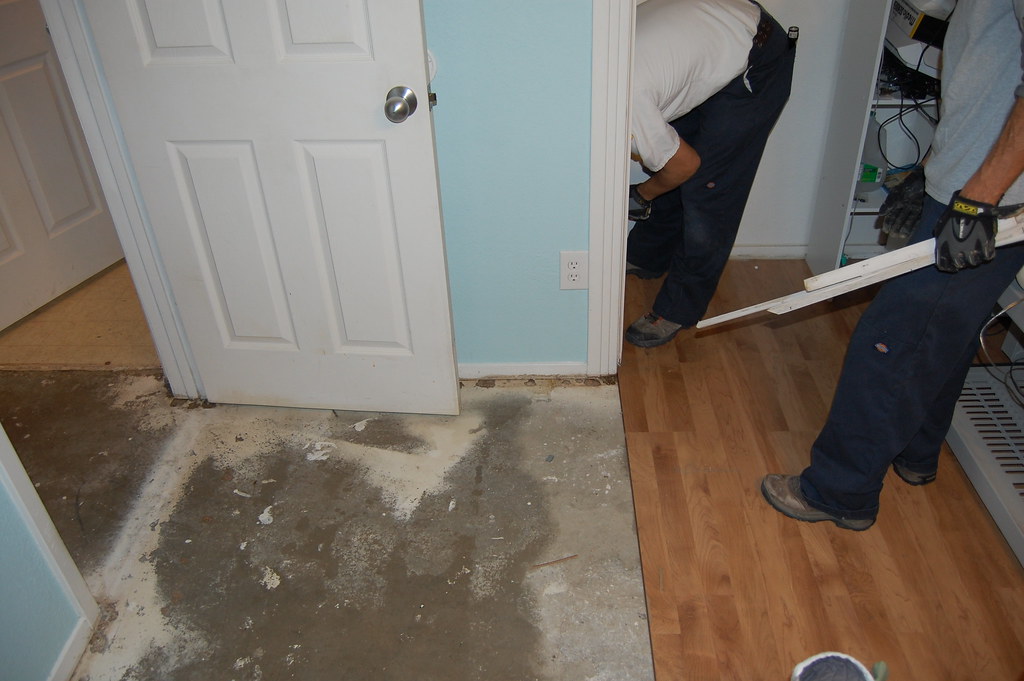
- Remove wet materials: If carpets, furniture, or personal items are soaked beyond repair, it’s important to remove them to allow the space to dry completely.
Even if the water seems to have been removed, it’s essential to dry the area thoroughly. Failure to do so can lead to secondary damage, including mold growth and structural weakening.
6. Assess Structural and Property Damage
Water can cause significant damage to the structural integrity of your home or business. Once the area has dried, you’ll want to assess the extent of the damage to your property.
- Check for weakened foundations or walls: Look for signs of sagging, cracks, or warping that might indicate structural damage.
- Inspect electrical systems: Water can damage wiring, outlets, and electrical panels. If you suspect any electrical issues, it’s critical to call a professional electrician to inspect the system.
- Look for mold growth: If any moisture is still present, mold can start to develop within 24 to 48 hours. Look for dark spots, musty odors, or discoloration on walls and ceilings.
7. Contact an Emergency Water Damage Restoration Company
While you can take several immediate actions to mitigate damage, an experienced water damage restoration company will have the right tools, expertise, and resources to handle the cleanup and restoration process more thoroughly. For those in need of efficient and reliable solutions, water damage restoration Grapevine, TX, offers top-notch services to address all levels of water-related damage.
- Comprehensive Cleanup: Water damage restoration professionals can clean and remove water from all affected areas, including hard-to-reach spots in walls and floors.
- Advanced Drying Equipment: Restoration companies use specialized equipment, such as industrial-grade dehumidifiers, air movers, and drying mats, to speed up the drying process.
- Mold Remediation: If mold has begun to form, a professional service will have the proper equipment and methods to safely remove it and prevent further growth.
- Restoration and Repairs: After cleaning and drying, the restoration company will begin repairing any structural damage, replacing insulation, drywall, or flooring, and restoring your property to its pre-damage condition.
8. Filing an Insurance Claim
Once the immediate crisis is under control, the next step is to file an insurance claim. Make sure to:
- Contact your insurance company promptly: Notify your insurance provider as soon as possible to start the claims process.
- Provide documentation: Share the photos, videos, and written records of the damage with your insurance adjuster to help them assess your claim.
- Follow up: Keep in regular contact with your insurer to ensure that your claim is processed quickly.
An insurance claim will help cover the costs of repairs and replacement of damaged items, but it’s important to understand your policy and any potential coverage limitations.
9. Prevent Future Water Damage
After the cleanup and restoration, consider taking steps to prevent future water damage.
- Seal cracks and gaps: Ensure that windows, doors, and the foundation are properly sealed to prevent water from entering in the future.
- Maintain your plumbing: Regularly inspect your plumbing system for leaks or weak spots that could eventually lead to water damage.
- Install sump pumps or French drains: If your area is prone to flooding, installing a sump pump or French drain system can help protect your property from future water damage.
Conclusion: The Importance of Immediate Action
Water damage is a serious problem, but with the right knowledge and swift action, you can minimize the effects and restore your property. From ensuring safety to contacting an emergency water damage restoration company, every step you take plays a crucial role in protecting your home or business from further harm.
Remember, time is of the essence. The sooner you act, the better chance you have at preserving your property and belongings. If you’re facing water damage, don’t wait—reach out to a restoration professional today to get the help you need.
Apart from that if you want to know about Efficient Home Plumbing Maintenance: Tips and Solutions for Homeowners ” then please visit our home improvement Category