

Introduction
Ensuring brick buildings’ longevity and visual charm requires diligent care and maintenance. A quality tuckpointing service is pivotal in extending life and enhancing the resilience of these structures. Tuckpointing serves a dual purpose by renewing deteriorated mortar joints and bolstering the structural soundness of brickwork. When effectively executed, tuckpointing can protect buildings from the elements while restoring their aesthetic glory.
Whether you’re a homeowner looking to preserve a historic property or a property manager overseeing multiple buildings, a firm grasp of tuckpointing can significantly impact the maintenance strategy. This guide explores the subtleties of tuckpointing, discusses its necessity, and analyzes its benefits. It will help you maintain your building’s longevity and aesthetic appeal.
What Is Tuckpointing?
Tuckpointing is a meticulous restoration technique focused on renewing and repairing mortar joints in brickwork. Bricks, despite their longevity, can suffer from the wear and tear induced by weather elements, moisture infiltration, and age over time. Tuckpointing primarily aims to impart fresh mortar into these deteriorated joints, thus fortifying the structure against further decay. While the procedure can be intricate, its significance in maintaining both structural integrity and visual appeal cannot be overstated.
Signs Your Brickwork Needs Tuckpointing
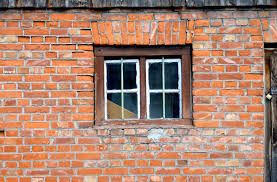
Identifying the need for early tuckpointing can prevent extensive damage and costly repairs. Key indicators include visible cracks in the mortar, chipping bricks, and noticeable gaps. Additionally, water seepage marks on interior walls suggest compromised exterior brickwork. Detecting these signs early allows for timely intervention, which can save a building’s structural health. Regular inspections are integral to spotting such issues before they escalate into serious problems.
Benefits of Tuckpointing
Beyond improving visual appearance, tuckpointing offers several critical advantages. From a structural standpoint, it reinforces brickwork by preventing water intrusion that can weaken the mortar and bricks. Furthermore, a well-tuckpointed building often experiences improved thermal insulation, directly reducing energy consumption by minimizing heat loss or gain through the walls. This energy efficiency results from an enhanced indoor atmosphere and reduced utility bills. The process also thrives when precision and expertise are employed, ensuring your building remains protected and functional long-term.
Modern Techniques in Tuckpointing
The art and science of tuckpointing have evolved remarkably over the decades, thanks to advancements in both technique and material technology. Modern tuckpointing utilizes improved mortar blends that offer enhanced durability and better protection against environmental stressors. Contemporary tools facilitate precision, allowing professionals to seamlessly match new mortar with existing brickwork. These improvements have increased the lifespan of tuckpointed structures and made the process more accessible and aesthetically pleasing.
How Weather Affects Brick Structures
With its ever-changing patterns and extremes, weather can pose significant threats to brick structures. Freeze-thaw cycles, in particular, are damaging as they cause expansion and contraction within the bricks and mortar, leading to cracks and weakening. Continuous exposure to moisture can further exacerbate these issues, allowing water to enter and freeze inside the joints. Wind-driven rain and seasonal temperature fluctuations can also accelerate the erosion of mortar. Understanding these effects underscores the importance of regular tuckpointing maintenance to combat and preempt weather-induced damage.
DIY Tuckpointing: Pros and Cons
Tackling tuckpointing as a DIY project can be a rewarding experience, especially for those inclined toward craftsmanship and hands-on improvement projects. However, it’s vital to acknowledge that tuckpointing requires a keen eye, steady hands, and specialized tools and materials. Mistakes can lead to uneven application, further damage, or the need for professional correction. Therefore, while the cost savings of a DIY approach can be appealing, the risks and technical demands must be carefully considered.
DIY vs. Professional: When to Hire an Expert
Deciding between a DIY approach and hiring a professional depends heavily on the extent of the required repairs and the individual’s skill level. Professional expertise is invaluable for complex jobs, including those involving significant structural damage or decorative brickwork. Professionals bring experience, efficiency, and access to high-quality materials and tools. According to industry guidelines, hiring professionals lowers the chance of requiring more repairs by ensuring the work is completed safely and correctly.
Maintaining Brickwork Post-Tuckpointing
After investing in tuckpointing, it’s crucial to maintain the renewed brickwork to protect your investment. Deterioration over time can be prevented by using a protective sealant and cleaning often to remove dirt. Scheduling periodic inspections as part of a broader maintenance plan will help catch minor issues before they become more significant, preserving the structure’s beauty and integrity for years.
By understanding these aspects and acting on them, property owners can ensure that their brick structures remain robust, visually appealing, and energy-efficient for years. Regularly attending to tuckpointing issues can help prevent significant damage and lower future repair costs while maintaining the safety and value of your house.
Apart from that, if you want to know about Stay Cool and Calm: The Key to Reliable Aircon Servicing in Singapore then please visit our Home Improvement Category.

