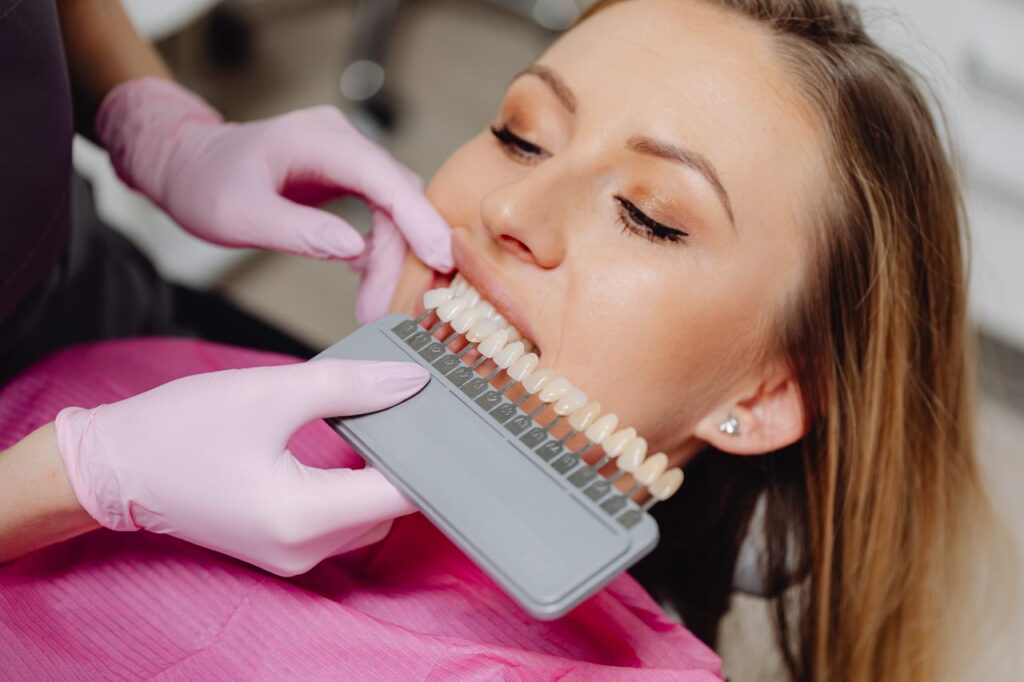

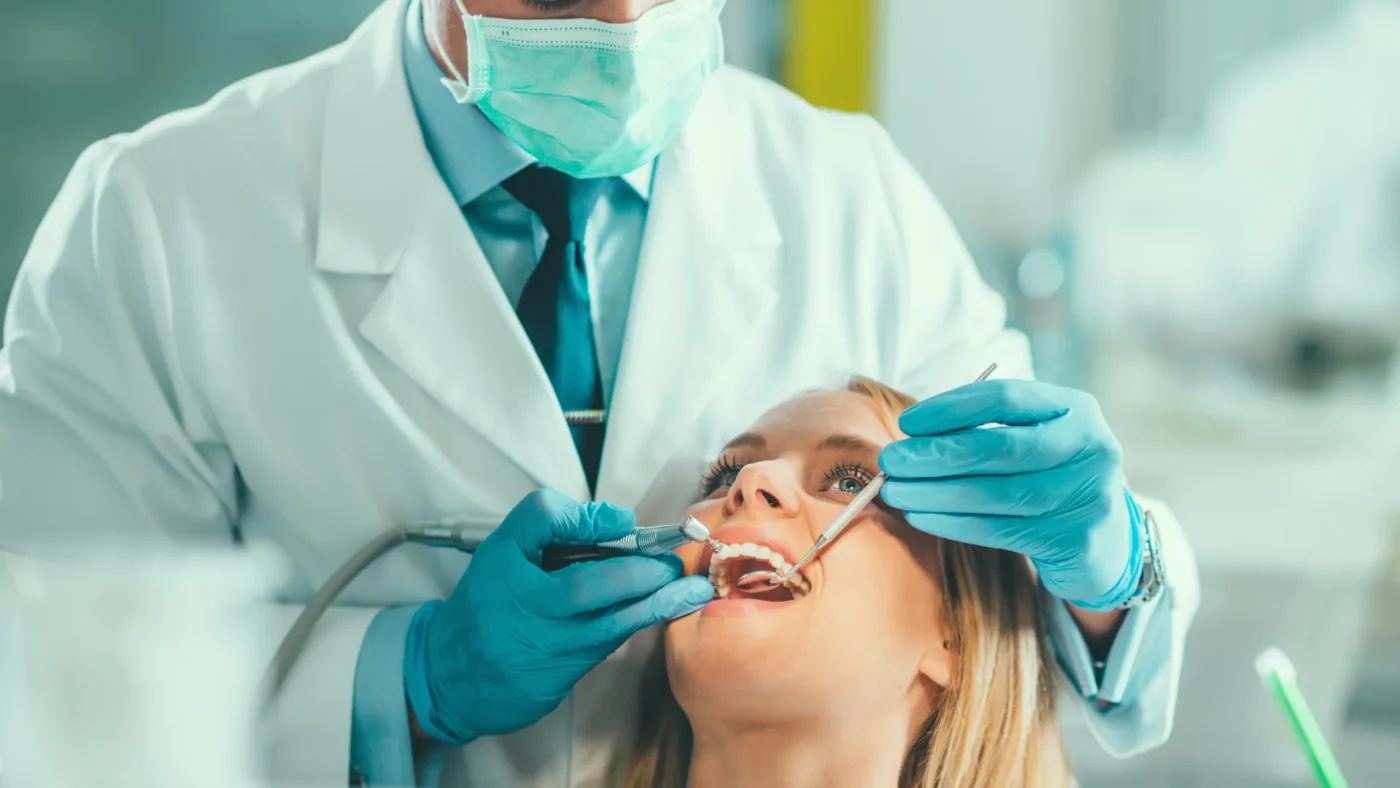
You might notice it starts with something small. A twinge when you drink cold water. A little bleeding when you floss. Or maybe it is nothing at all, and you are just staring at a reminder for a dental checkup you keep putting off while you search for compassionate dental care in Santa Rosa.
Part of the hesitation often comes from not knowing what really happens in that chair. Those shiny instruments, the unfamiliar sounds, the questions about X-rays and cleaning tools. It can feel a bit overwhelming, especially if you have had a tough visit in the past.
Here is the reassuring truth. A general dentist relies on a small set of core tools designed to do one main thing. Keep your mouth healthy in the least invasive way possible. When you understand what those tools are and how they help you, the whole experience becomes less mysterious and a lot less stressful.
This guide walks through six common tools your dentist uses to protect your teeth and gums, explains why each one matters, and shows you how to think about your own care with more confidence.
Why do these dental tools matter so much for your everyday smile?
The real problem for many people is not just fear of pain. It is fear of the unknown. You sit down, the light comes on, instruments appear, and you are not quite sure what is happening or why. That uncertainty makes it hard to relax, and it can even keep you from booking visits at all.
When checkups get delayed, small issues have time to grow. A little plaque becomes tartar. A tiny cavity becomes a root canal. What could have been a quick cleaning turns into something more complex and more expensive. That is where the emotional and financial stress really starts to build.
You might wonder if all that equipment is really necessary. You might ask whether regular visits are worth the time and cost. Or you might just feel stuck between wanting a healthy smile and wanting to avoid the chair.
The key is to see those tools not as something being done to you, but as tools working for you. Each one has a clear purpose. To find problems early, to clean where your toothbrush cannot reach, and to keep you safe from infection. Once you see how they work, it becomes easier to say yes to the care you need.
1. The small mirror that quietly reveals hidden problems
One of the most important tools is also the simplest. The tiny dental mirror. It lets your dentist see the back of your teeth, the inside surfaces, and the corners of your mouth that you could never inspect on your own.
With that mirror, your dentist can spot things like early cavities between teeth, small cracks, and signs of gum disease long before you feel pain. Think of it as an early warning system. It gives you options while problems are still easy and affordable to fix.
2. The explorer that checks for weak spots in teeth
You might recognize the explorer as the pointed instrument your dentist uses to gently check the surfaces of your teeth. It looks sharp, which can be unsettling, yet it is used with a light touch to feel for soft spots, rough areas, and hidden decay.
This tool helps your dentist decide whether a suspicious area needs a filling, monitoring, or just better home care. Used together with the mirror, it gives a very detailed picture of how strong your teeth really are.
3. The scaler that removes what your toothbrush leaves behind
Even if you brush and floss carefully, plaque can harden into tartar, especially around the gumline and between teeth. Once it hardens, no amount of regular brushing will remove it. That is where the scaler comes in.
The scaler is used to gently scrape away tartar and plaque from the surfaces of your teeth. This is one of the main tools your family dentist for preventive care uses during a professional cleaning. Removing tartar lowers your risk of cavities and gum disease, and it also helps reduce bad breath that does not respond to mouthwash.
4. The ultrasonic cleaner that makes deep cleaning more efficient
For heavier deposits or deeper cleaning around the gums, your dentist or hygienist may use an ultrasonic scaler. It uses tiny vibrations and water to break up tartar. The water flushes away debris and keeps the tip cool.
Many people find this tool more comfortable than manual scraping alone, especially for larger cleanings. It helps shorten the time in the chair and improves how thoroughly the teeth and gums are cleaned.
5. X-ray technology that sees what your eyes cannot
Some problems hide under fillings, between teeth, or in the jawbone. X-rays help your dentist see the roots of your teeth, the bone that supports them, and areas where decay or infection might be starting.
That means issues like deep cavities, infections, and bone loss can be found early. Modern dental X-rays use low levels of radiation and are taken only as needed, based on your risk and history. When you understand that they are used to protect you from larger problems, they feel less intimidating.
6. Infection control tools that protect your health
Behind the scenes, there is a whole set of tools and systems you may never fully notice, yet they are essential for your safety. Gloves, masks, protective eyewear, sterile instruments, disinfected surfaces, and carefully managed water lines all work together to prevent infections.
Standards for infection control in dentistry are strict. The Centers for Disease Control and Prevention shares detailed guidance on dental infection prevention and control practices, and the American Dental Association offers resources on infection control and sterilization in dental offices. Your dentist follows these guidelines so that every instrument that goes into your mouth is clean, every surface is managed, and your risk of infection is kept very low.
How do professional tools compare to home care alone?
You might wonder how all of this stacks up against brushing and flossing at home. Is regular professional care really that different from what you can do on your own with a toothbrush and floss?
This comparison can help clarify the difference.
| Aspect | Home Care Only | Home Care plus General Dentist Visits |
| What you can remove | Soft plaque and some food debris | Plaque plus hardened tartar above and below the gumline |
| What you can see | Front surfaces in a mirror | Hidden areas, between teeth, roots, and bone with tools and X-rays |
| Early problem detection | Usually only when pain or visible damage appears | Early cavities, gum disease, cracks, and infections found before symptoms |
| Costs over time | Fewer small expenses, higher risk of large treatment costs later | Regular small costs, lower risk of major, urgent procedures |
| Long term outcome | Higher chance of tooth loss and emergency visits | Better chance of keeping natural teeth and avoiding urgent care |
Seen this way, the tools your general dental care provider uses are less about doing something extra and more about finishing what you start at home and catching trouble before it grows.
Three practical steps you can take starting now
1. Ask your dentist to “talk through” the tools during your visit
At your next appointment, you can simply say you feel calmer when you know what is being used and why. A quick explanation of each instrument before it touches your teeth can lower anxiety and help you feel more in control.
2. Use your checkup as a planning session, not just a cleaning
Instead of viewing the visit as a one time event, treat it as a chance to build a plan. Ask which tools will be used and what they are looking for. Then ask what you can do at home between visits to support that work. That way, your home care and professional care work together.
3. Pay attention to how often tartar returns
Notice how quickly your teeth feel rough again after a cleaning. If tartar builds up fast, you may need adjustments to your brushing routine, flossing habits, or visit frequency. The scaler and ultrasonic cleaner can only remove what is already there. Your daily habits decide how much builds up in the first place.
Moving forward with more confidence in your dental care
It is completely normal to feel uneasy about dental tools when they are unfamiliar. Once you understand that each one is there to see better, clean better, and keep you safer, the whole experience starts to feel less like something to fear and more like a partnership for your health.
You do not need to become an expert in every instrument your dentist uses. You only need enough clarity to ask questions, make informed choices, and feel that your mouth is being cared for with intention and respect.
Your smile is a long term project. With the right tools in skilled hands, and with your own daily care at home, you give yourself the best chance to keep your teeth strong, your gums healthy, and your visits as simple as possible.
Apart from that, if you want to know more about 5 Reasons Regular Adjustments Are Key To Orthodontic Success then visit our Health category.