

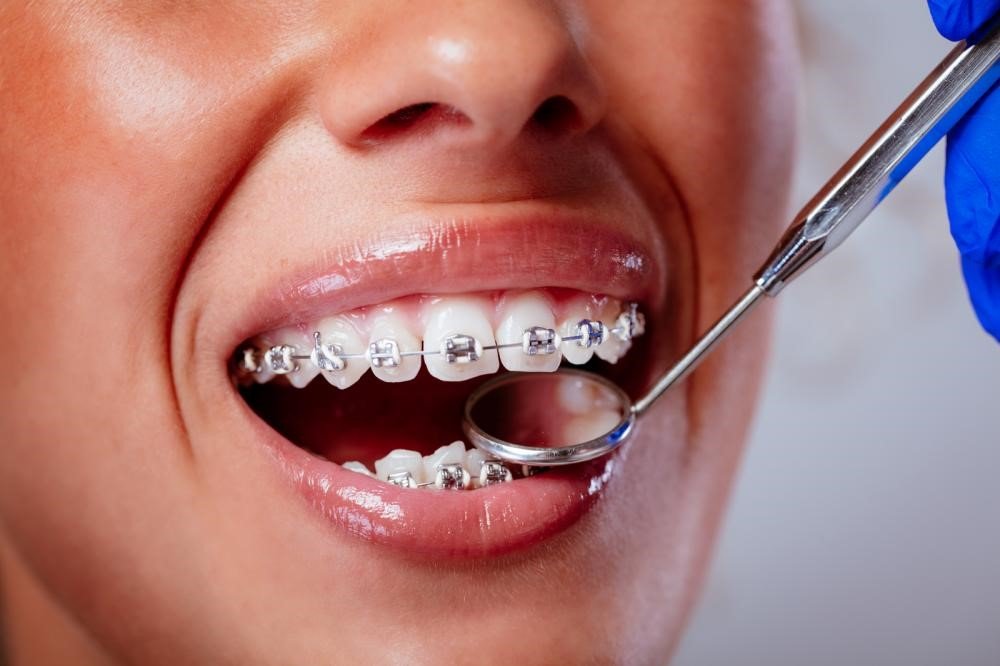
You might be feeling a mix of relief and frustration right now. Relief that you or your child finally has braces or aligners on and the journey toward a better smile has started, especially if you’ve been searching for braces in Tuckahoe, Eastchester, and Bronxville. Frustration because the process feels slow, the appointments keep popping up on your calendar, and you are wondering if every single one of these visits is really necessary.end
Maybe you are juggling school schedules, work meetings, traffic, and childcare, and each orthodontic check feels like one more thing you have to manage. You might even worry that if you miss a visit or push it back a month, it will not matter much. After all, the braces are already on, right?
Here is the honest, reassuring truth. Those regular orthodontic adjustments are not “extra” or optional. They are where most of the real progress happens. The visits are how your orthodontist guides your teeth safely, steadily, and in the right direction. Without consistent checkups, treatment can drag on, results can be compromised, and small problems can quietly turn into big ones.
It means that if you understand why these visits matter, you can plan for them with more confidence, ask better questions, and feel less stressed about the process. The short version is this. Regular adjustments keep your teeth moving on schedule, protect your health, prevent emergencies, and increase your chances of a beautiful, stable result that lasts.
Why do regular orthodontic visits matter so much once treatment has started?
It often starts with good intentions. You commit to braces, clear aligners, or another orthodontic treatment, you make the first few appointments, and you try to follow all the instructions. Then life happens. A busy season at work. A family illness. A school project. Suddenly, you are rescheduling or skipping visits and telling yourself you will catch up later.
This is where the quiet tension begins. You want great results, but you also want your life back. You may start to wonder whether the orthodontist is being overly cautious with so many checkups, or whether your treatment is just “on autopilot” now that the hardware is in place.
Here is the problem. Teeth do not move in a straight, predictable line without guidance. They respond to gentle, controlled pressure. They also respond to changes in your bite, your growth, and your habits. Because of this, every few weeks your orthodontist needs to check how your teeth are responding and then fine-tune things. Without these adjustments, treatment can stall or go off track.
To make this more concrete, imagine a teenager with braces who starts out very motivated. For the first few months, everything is on time. Then sports season hits. A few visits are delayed. A wire comes loose and is not checked quickly. Plaque starts to build up around brackets. By the time the family comes back, not only has progress slowed, but there are early signs of decalcification on the enamel. That is the kind of outcome everyone wants to avoid.
So what exactly makes regular orthodontic adjustments crucial for success? Here are five key reasons.
What are the 5 main reasons regular adjustments are key to orthodontic success?
1. Adjustments keep your teeth moving safely and on schedule
Teeth move in response to steady, measured force. With braces, that force comes from the combination of brackets, wires, and small components like elastics. With aligners, it comes from a sequence of trays worn in a specific order. As your teeth shift, the force changes. If the wire is not updated or the aligner plan is not checked, your teeth can stop moving or move in the wrong way.
Regular visits allow your orthodontist to change wires, tighten or replace elastics, and make sure each tooth is following the planned path. This is how treatment stays on track and finishes closer to the original time estimate, instead of dragging on for extra months or even years.
2. Small problems are caught early before they become big ones
Orthodontic treatment is not just about straightening teeth. It is also about protecting your gums, your bite, and the health of your jaw joints. During a routine check, your orthodontist looks for early warning signs. Sore spots from hardware. Irritation in the cheeks. Areas where plaque is building up. Teeth that are rotating too quickly or not moving enough.
When these issues are found early, the fix is usually simple. A small adjustment to a bracket. A different wire. Extra cleaning instructions. If visits are missed, those same issues can turn into broken brackets, gum inflammation, or cavities that need restorative treatment.
3. Adjustments help avoid emergencies and discomfort
Many orthodontic emergencies are not dramatic at first. A wire that feels a bit sharp, a bracket that seems slightly loose, or a band that is starting to irritate the gums can escalate if not checked. Regular appointments are a chance to smooth wires, secure brackets, and prevent that “middle of the night” pain or urgent visit.
They also help manage your comfort. Teeth are often a little sore after an adjustment, but that soreness should be controlled and temporary. Without planned visits, forces may stay uneven for too long, which can lead to lingering discomfort or headaches. Adjustments bring those forces back into balance.
4. Your bite is carefully guided, not just your smile
Many people focus on how their front teeth will look. Orthodontists focus on that and on how your upper and lower teeth fit together. A good bite helps you chew properly, speak clearly, and reduce wear on your teeth over time. It can also reduce strain on your jaw joints.
Regular visits are when your orthodontist checks how the top and bottom teeth are meeting and makes changes to elastics, wires, or aligners to improve that relationship. Without these adjustments, you might finish with straighter teeth, but an uneven bite that causes problems later.
If you want to understand more about what braces involve and how they work, the American Association of Orthodontists offers a clear overview of braces and orthodontic treatment.
5. Consistent checkups protect your long term results
Orthodontic success is not just about the day the braces come off. It is about how well your teeth stay in place in the months and years after. Teeth have a natural tendency to shift back toward their old positions, especially right after treatment ends.
Regular adjustments throughout treatment help your orthodontist move teeth into stable positions and prepare your mouth for retainers. If treatment is rushed, interrupted, or done with long gaps between visits, the final positions may not be as stable, and relapse is more likely.
How do regular visits compare to “stretching out” or skipping appointments?
You might be asking yourself whether it is really so risky to push appointments out a few weeks each time. To make the tradeoffs clearer, it can help to compare a consistent schedule with a more irregular approach.
| Approach | What It Looks Like | Short Term Impact | Long Term Impact |
| Consistent regular adjustments | Visits every few weeks as recommended | Steady tooth movement, fewer surprises | Shorter overall treatment, stronger and more stable result |
| Frequent rescheduling or skipped visits | Gaps of months between checkups | Slow or uneven tooth movement, more irritation | Extended treatment time, higher risk of relapse or bite problems |
| DIY “adjustments” at home | Trying to bend wires or force movement yourself | High risk of pain, loose brackets, or damage | Possible tooth or root damage, costly corrective treatment |
So, where does that leave you if your life is already packed and orthodontic visits feel overwhelming? It means you do not need to be perfect. You just need to be intentional. A thoughtful plan, clear communication with your orthodontist, and realistic expectations can make successful orthodontic treatment feel manageable instead of exhausting.
What can you do right now to support your orthodontic progress?
1. Treat adjustment appointments as part of the treatment, not an add-on
It helps to mentally connect each visit to the result you want. Straight teeth. A healthy bite. Less risk of future dental work. When you see appointments as an essential part of the process rather than a nuisance, it becomes easier to prioritize them in your schedule.
If you know certain days or times are always difficult, talk with the office about patterns that work better. Early mornings before school, late afternoons, or grouping siblings’ appointments together can reduce stress.
2. Speak up about discomfort, worries, or schedule challenges
Your orthodontist cannot fix what they do not know about. If something feels off, even slightly, mention it at your visit. A small adjustment can prevent a lot of discomfort later. If your schedule is consistently tight, ask about ways to streamline visits, such as combining tasks in one appointment or using virtual check-ins when appropriate for aligner treatment.
Also, be honest about how well you are able to follow instructions with elastics, aligner wear, or hygiene. This is not about blame. It is about working together to keep your treatment moving. For broader questions about your family’s orthodontic health, you may find the family orthodontic health guide from the AAO helpful.
3. Support your adjustments with good daily habits
Regular visits work best when your day-to-day habits support them. Good brushing and flossing around brackets or aligners reduces the risk of cavities and gum problems that can slow treatment. Wearing elastics or aligners exactly as directed helps each adjustment “hold” and move you to the next stage.
If you or your child struggles with these routines, try simple tools. A reminder on your phone for elastics. A soft toothbrush designed for braces. Floss threaders or water flossers to make cleaning easier. Small changes at home can make each visit more productive and shorten the overall journey.
Staying the course for a healthy, lasting smile
Orthodontic treatment is a commitment of time, energy, and money, and it is normal to feel stretched thin at times. You are not alone if you feel tired of appointments or anxious about how long everything is taking. Those feelings make sense.
Even so, regular adjustments are what turn that effort into lasting results. They keep your teeth moving in the right direction, protect your health, and give you the best chance at a smile that looks good and functions well for years to come.
If you stay engaged, ask questions, and protect those adjustment appointments as part of the treatment itself, you give yourself the best shot at a smooth journey and a strong finish. Your future self, or your child’s future self, will be grateful for the care and consistency you are building right now.
Apart from that, if you want to know more about 4 Popular Cosmetic Treatments Provided by General Dentists then visit our Health category.