

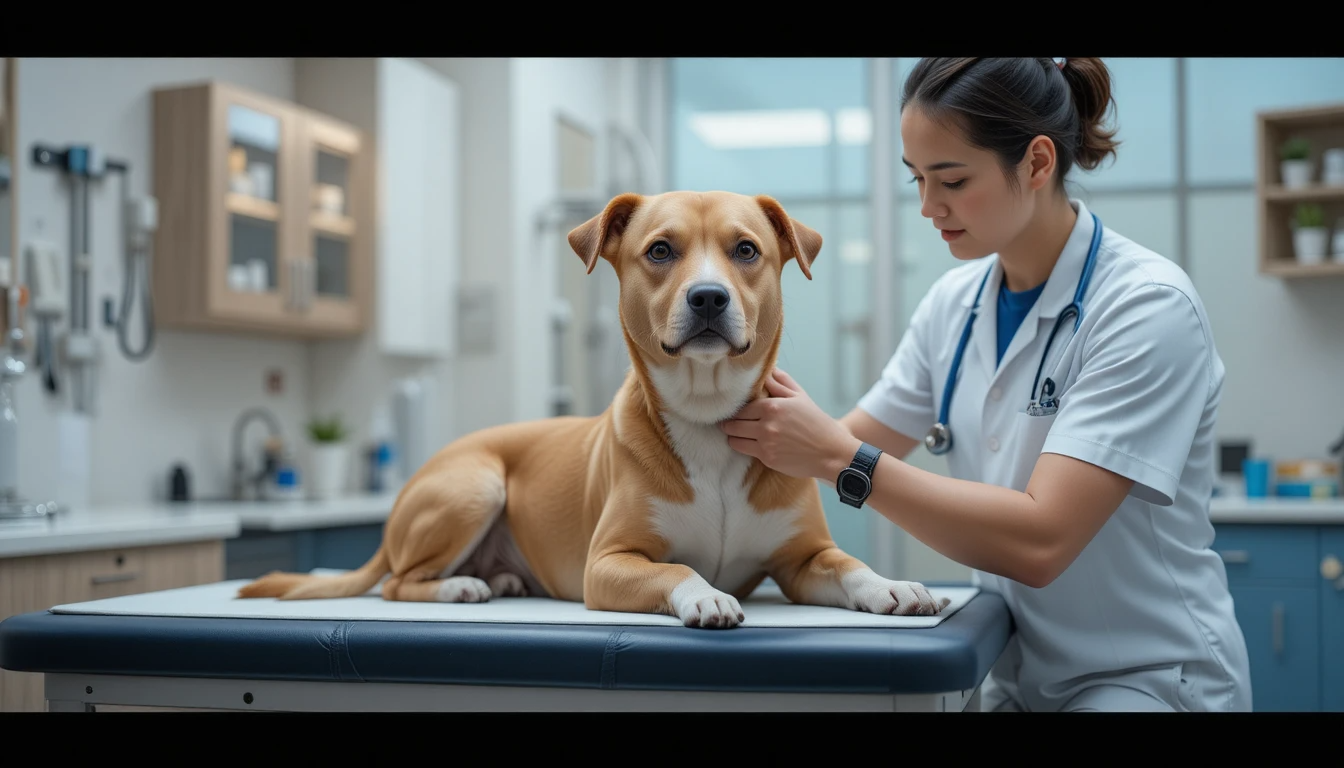
Your pet’s surgery is only one part of the story. Recovery starts long before the first cut. A trusted animal surgery specialist in Chicago prepares your pet for healing with careful steps that protect comfort, safety, and dignity. You may feel fear, guilt, or confusion. That reaction is common. You deserve clear answers, not medical talk. Before surgery, your veterinarian studies your pet’s history, checks current health, and plans pain control that fits your pet’s age and condition. Next, the team sets up a clean space, double-checks every tool, and confirms your pet’s identity again and again. Then they walk you through feeding rules, medication plans, and what signs to watch at home. Finally, they built a recovery plan that supports slow, steady healing. When you know these steps, you can stand beside your pet with more calm and less doubt.
1. Your Pet’s Health Check Comes First
Recovery starts with a hard look at your pet’s health. Your veterinarian cannot guess. You gain safety when the team gathers real facts.
You can expect three core steps before surgery.
- Review of past records and vaccines
- Physical exam from nose to tail
- Targeted tests to spot hidden risk
Common tests include blood work, urine tests, and imaging. These checks help the team find kidney strain, liver trouble, or heart stress. The U.S. Food and Drug Administration Center for Veterinary Medicine explains that some medicines stay longer in pets with weak kidneys. That fact shapes drug choice and dose.
You help this step when you share clear details. Tell the team about your pet’s food, treats, past drugs, and odd behavior. Mention weight loss, coughing, bathroom changes, or collapse. No detail is small. Each clue lowers the chance of surprise during surgery and recovery.
Common Pre-Surgery Checks And How They Help Recovery
| Pre-surgery check | What it finds | How it protects recovery |
| Physical exam | Heart, lungs, weight, pain | Guides anesthesia plan and pain care |
| Blood tests | Kidney and liver strain, anemia | Prevents drug overload and slow healing |
| Imaging | Hidden masses, joint damage | Shapes surgery plan and supports safe activity limits |
| Medication review | Drug mix and possible conflict | Reduces side effects and bleeding risk |
2. Pain Control Starts Before The First Cut
Strong recovery needs strong pain control. Your pet heals faster and eats sooner when pain stays low. Pain control is not a last step. It starts before surgery and continues at home.
Your veterinarian builds a pain plan around three parts.
- Pre-surgery drugs to calm fear and soften pain
- Drugs during surgery to block pain signals
- Home pain medicine and comfort steps after surgery
Some pets need lighter doses. That group includes seniors, toy breeds, and pets with organ strain. Other pets need more help, such as large dogs or very anxious pets. The team studies your pet’s exam and test results to set a safe range.
Read More: Why Regular Checkups At Veterinary Hospitals Save Lives
You may worry about pain drugs. You may fear haze or addiction. Current guidance from schools such as the Ohio State University Veterinary Medical Center supports planned pain control as a humane step. When pain stays low, stress hormones stay lower. That support gives the body more strength to heal cuts and bones.
3. The Surgery Room Protects Against Infection
Clean surgery protects recovery. Infection can turn a simple cut into a long fight. Your veterinarian uses strict steps to keep germs away from your pet.
Here is what usually happens before and during surgery.
- Staff clean and wrap instruments
- Team members wash hands and wear caps, masks, and gowns
- Your pet’s fur at the surgery site is clipped and skin cleaned
- The team places sterile drapes around the cut site
Each step trims down the chance of infection. That means less swelling, less pus, and fewer return visits. Your role also matters. You support clean care at home when you follow discharge steps.
You can help by doing three simple things at home.
- Keep the cut dry and covered as instructed
- Stop your pet from licking or chewing the cut
- Use a clean crate, bed, or room while healing starts
Clean care in the surgery room and clean space at home work together. That pairing gives your pet a smoother path back to normal activity.
4. You Receive Clear, Written Home Care Steps
Recovery does not happen at the clinic. It happens in your home. You become part of the care team the moment you walk out the door. Your veterinarian knows that and prepares you with clear steps.
You should receive written instructions that cover three basic needs.
- How and when to give medicine
- How to protect the cut and control movement
- What warning signs need a call or visit
Written steps help when stress fogs your memory. You can post the sheet on your fridge. You can share it with every family member. That way, everyone uses the same plan.
Common warning signs include these.
- Cut edges pulling apart or heavy redness
- Thick or foul discharge
- Refusal to eat for a full day
- Repeated vomiting or diarrhea
- Labored breathing or collapse
Call your veterinarian at once if you see these signs. Early help can stop a small problem from turning into a crisis. Quick action also protects your own sense of control and lowers fear.
How You Can Prepare Before Surgery Day
You cannot control every outcome. You can control how prepared you feel. Strong recovery care starts when you ask firm, clear questions.
Before surgery, ask your veterinarian to explain three things in plain words.
- The goal of the surgery and what success looks like
- The expected pain level and the exact pain plan
- The first three days of home care, hour by hour
You can write questions at home and bring the list. You can also bring photos of your pet’s normal posture and walk. That record helps you spot change later.
When you understand the plan, you carry less dread. Your pet feels your steady presence. That calm presence is not soft comfort. It becomes a strong part of recovery.
If you want to know more about Why Veterinary Record Keeping Improves Long Term Care, then visit our Pets category.