

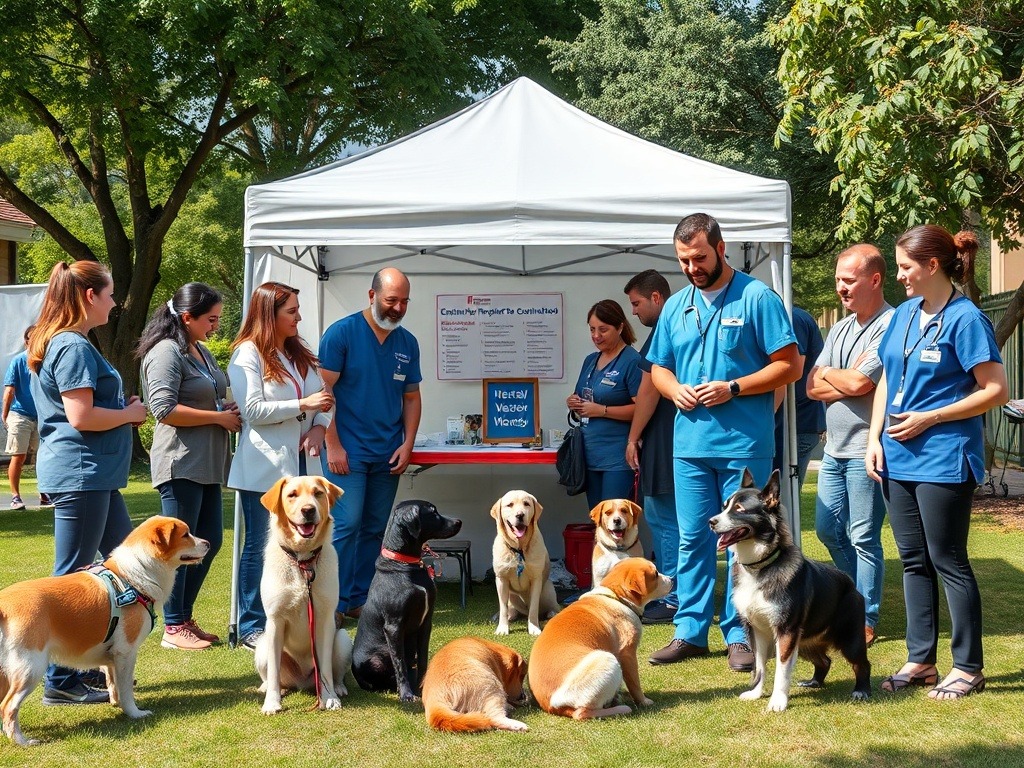
A strong outreach program helps you reach pet owners who feel unseen or overwhelmed. It also protects animals who slip through the cracks. As a North Surrery veterinarian, you face tight schedules, limited staff, and constant pressure. Yet your work outside the clinic can shape trust, public safety, and long term health for pets in your community. This guide gives you four clear steps to plan, launch, and grow an outreach effort that fits your clinic. You will learn how to define your goals, choose the right partners, create simple services, and track what works. You will not need new fancy tools. You will need clear choices, steady effort, and honest feedback. With a plan, your outreach can prevent suffering, reduce crisis visits, and build strong ties with pet owners who need you most.
Step 1. Set Clear Goals That Match Community Needs
You cannot help every pet at once. You can choose where you will focus. Start by asking three hard questions.
- Which pets in your community suffer the most
- Which owners feel the most alone or unsure
- Which problems you can reduce with early help
You can use local data, staff stories, and public health reports. For example, the Centers for Disease Control and Prevention Healthy Pets pages show how animal health links to human health. You can compare those risks to what you see in your exam rooms.
Next, write three short outreach goals. Keep each goal clear and measurable. For example
- Increase rabies vaccination in one neighborhood by 20 percent in one year
- Offer low cost spay and neuter to 50 pets from low income homes every quarter
- Provide basic pet care teaching to 200 children at local schools each year
You should set one primary goal and two support goals. You can then shape every outreach step around these goals. When a new idea appears, you can ask if it helps reach one of the three. If it does not, you can say no without guilt.
Step 2. Build Simple Partnerships That Share Work
You do not need to do outreach alone. You can share the work with trusted partners. This protects your staff from burnout and stretches your budget.
Common partners include
- Local shelters and rescue groups
- Public health departments
- Schools and youth programs
- Faith groups and community centers
You can start small. Choose one partner with a clear link to your goals. For example, if you aim to cut bite risks, you can work with schools on safe dog handling lessons. The University of Illinois College of Veterinary Medicine Healthy Pets resource can support your teaching with plain language facts.
When you meet with a partner, you can cover three points.
- What you can offer such as vaccines, teaching, or clinic space
- What they can offer such as outreach, volunteers, or funding
- How you will share credit and track results
You should write these in a short agreement. You can keep it simple. You only need to name the goal, the actions, and the time frame. Clear words prevent hurt feelings later.
Step 3. Design Outreach Services That Fit Your Capacity
Outreach does not need fancy gear. It needs simple services that you can repeat. You can start with a small menu and grow.
Common outreach services include three groups.
- Preventive care such as vaccines, parasite control, and basic exams
- Education such as pet care talks, school visits, and printed guides
- Support such as payment plans, transport help, and social work links
You can choose which services you will offer on site at your hospital and which you will bring into the community. The table below shows one way to compare options.
Sample Outreach Service Choices
| Service Type | Location | Staff Time Needed | Cost To Clinic | Reach |
|---|---|---|---|---|
| Low cost vaccine clinic | Hospital parking lot | High | Medium | High |
| Pet care class for parents | School gym | Medium | Low | Medium |
| Printed care guides in two languages | Waiting room and shelters | Low | Low | High |
| Telehealth check ins for chronic cases | Online | Medium | Medium | Medium |
You can start with one service from each row that matches your staff and budget. You should also plan for safety. You can set clear rules for handling fearful animals, crowd flow, and record keeping. You can use simple forms that match your clinic software so staff do not need to double enter notes.
Step 4. Measure Impact And Adjust Without Blame
Outreach only works when you track results. You can do this without complex tools. You only need three types of data.
- Counts such as number of pets seen, vaccines given, or people taught
- Quality signs such as follow up visits, fewer emergency visits, or fewer bite reports
- Stories such as owner feedback and staff notes
You can set a simple review schedule. For example, you can meet every three months to look at numbers and stories. You can ask three questions during each review.
- What is working and should continue
- What is not working and should change or stop
- What support your staff needs to keep going
You should share results with partners and with the public. You can post a short yearly summary on your website or clinic wall. You can include numbers, a few stories, and your next steps. This builds trust and shows that you honor your promises.
You can also use results to train new staff. You can show them how outreach links to daily work. When a new technician sees that a vaccine clinic cut parvo cases, the work feels less like a task and more like a shared mission.
Bringing The Four Steps Together
You do not need to launch a huge outreach program all at once. You can start with one clear goal, one partner, and one service. You can then measure results and grow.
When you set clear goals, share work through partnerships, design services that fit your staff, and track impact without blame, you protect animals and support families. You also guard your own staff from moral fatigue. The work stays hard, but it feels focused and shared.
Your outreach program will not fix every problem. It will still change lives. It will show pet owners who feel unseen that someone is watching and cares. That quiet message can shape a whole community.
If you want to know about Why Regular Checkups At Veterinary Hospitals Save Lives then visit our Pets category.