

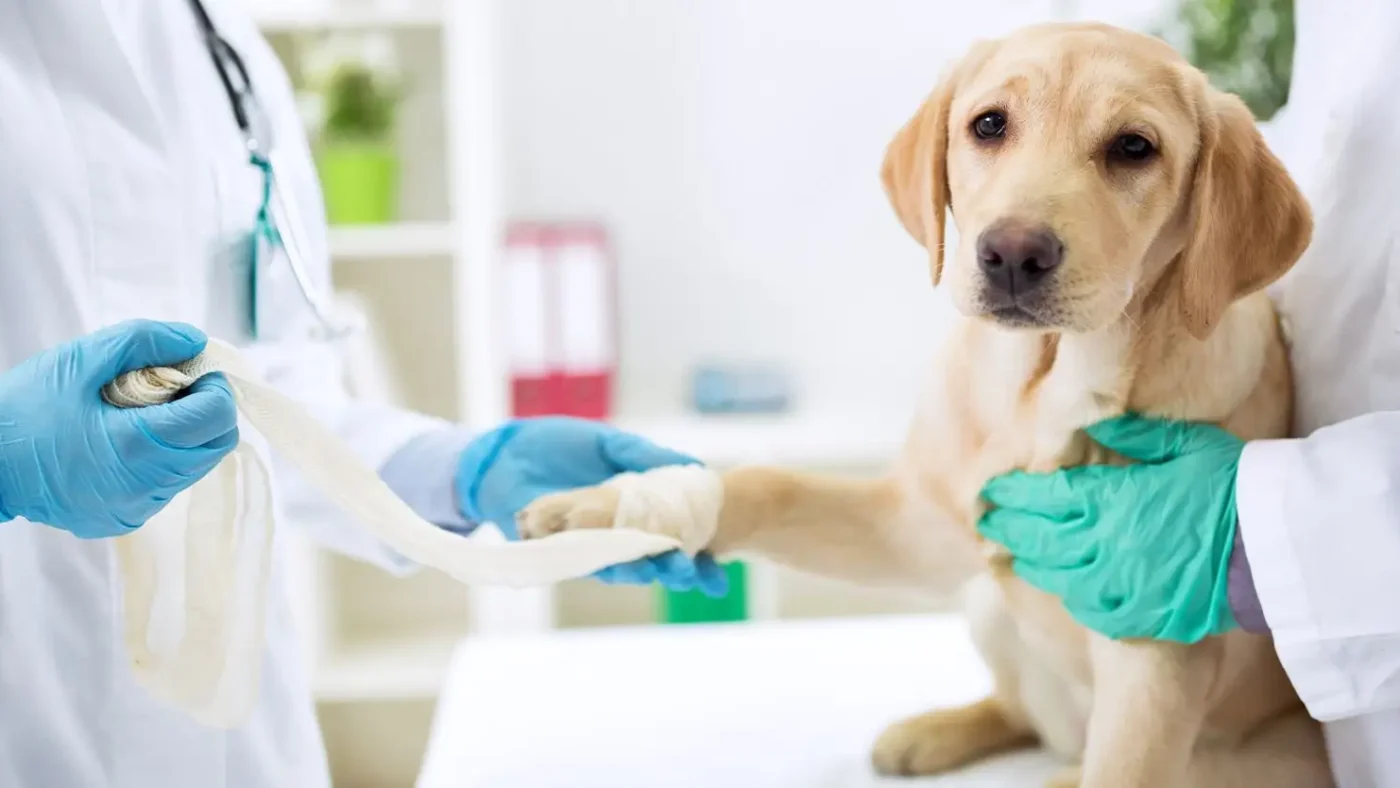
You might be worrying about your pet right now, scrolling between online advice and clinic reviews, trying to figure out if you really need to go to an animal hospital or find a veterinarian in Clifton. Maybe you are scared of a huge bill, nervous your pet will be overtreated, or unsure if you are being a “good” pet parent. It can feel like everyone has an opinion, and most of those opinions are loud and conflicting.end
Because of that noise, it is easy to hesitate. You wait another day. You try one more home remedy. You hope things will just get better. At the same time, a small voice in the back of your mind keeps asking, “What if I am missing something important?”
This is where a lot of caring owners get stuck. The truth is that modern animal hospitals are built around preventive care, evidence-based medicine, and comfort for your pet, not just emergency surgery or big invoices. The aim here is simple. Clear away three common myths about animal hospital services, show you what is actually true, and help you feel calmer and more confident making decisions for your pet.
Myth 1: “If My Pet Seems Fine, Regular Animal Hospital Visits Are a Waste of Money”
The problem often starts here. Your dog is eating, your cat is still playing, so it feels reasonable to skip the annual exam. Life is busy, and budgets are tight. You tell yourself you will go “when something is really wrong.”
The trouble is that many problems in pets start quietly. Early kidney disease, dental disease, high blood pressure, subtle joint pain, and even some cancers can all be present long before you see obvious signs at home. By the time you notice clear symptoms, treatment can be harder, more expensive, and less effective.
That is why organizations like the American Veterinary Medical Association emphasize routine preventive visits and explain how regular care supports long-term health in their pet ownership and veterinary care FAQs. Preventive care is not “extra.” It is the foundation.
So, where does that leave you when you are worried about cost? Counterintuitively, consistent checkups often save money over time. A dental cleaning now is cheaper than extractions later. Managing early arthritis is cheaper than waiting until your pet can barely stand. Catching a heart murmur early can mean medication and monitoring instead of a sudden crisis visit.
Think of routine animal hospital care less as a “nice to have” and more as maintenance. You would not wait for your car engine to seize before changing the oil. Your pet’s body deserves the same foresight.
Myth 2: “Vets At Animal Hospitals Just Push Unnecessary Tests And Treatments”
Many owners carry a quiet fear that if they walk into a hospital, they will be pressured into a long list of tests. You may have had a bad experience before or heard a story from a friend. That mistrust can make every recommendation feel like a sales pitch, even when it is not.
This tension is real. You want to protect your pet and also protect your wallet. When you do not understand why a test is being suggested, it can feel like you are being taken advantage of, which creates resentment and avoidance.
In reality, most veterinary professionals are guided by medical standards and published guidelines, such as the AAHA preventive healthcare guidelines for dogs and cats. This outlines which exams, vaccines, screenings, and conversations are recommended at different life stages. When your vet suggests bloodwork for a senior cat or heartworm testing for a dog, they are usually following these evidence-based guidelines, not improvising.
That said, you deserve clear explanations. A good animal hospital will walk you through what each test looks for, what happens if you decline it, and what choices you have at different budget levels. You are allowed to ask, “What is the most important thing to do today if I cannot afford everything?” That question is not rude. It is practical.
When you understand that most recommendations are based on medical need, not random upselling, it becomes easier to separate your past frustrations from your current pet’s needs. You can move from suspicion to partnership.
Myth 3: “Home Remedies Or Human Medications Are Safer Than Going To An Animal Hospital”
This myth often comes from love and fear. Maybe you see your dog limping and think, “I will just give a little ibuprofen.” Or your cat seems stressed, so you try a calming supplement that a friend mentioned online. It feels gentler and more in your control than a clinic visit.
The risk is that pets process drugs very differently from humans. Some human pain relievers can cause kidney failure, stomach ulcers, or even death in dogs and cats, even at doses that seem tiny. The U.S. Food and Drug Administration highlights these dangers and explains which pain relievers are unsafe for pets in their resource on facts about pain relievers for pets.
There is also the danger of delay. While you are trying one remedy after another, the underlying problem can quietly get worse. A limp might be a simple strain, or it might be a torn ligament, or bone cancer. No amount of internet advice can replace a hands-on exam and appropriate imaging when needed.
This does not mean you should never do anything at home. It means you should use home care as a bridge, not a substitute. Cool compresses, rest, and monitoring can be helpful while you schedule an appointment. Human medications or random supplements without veterinary guidance are not the safer route. They are a blind guess.
How Do Animal Hospital Myths Compare To Reality?
When you line up the fears against the facts, the picture starts to shift. Here is a simple comparison to help you weigh what you have heard against what modern animal hospital services actually provide.
| Common Myth | What Many Owners Fear | What Usually Happens In A Quality Animal Hospital |
| “Routine visits are a waste if my pet looks healthy.” | Paying for exams that do nothing and finding “problems” that are not real. | Early detection of real issues, vaccine updates, parasite prevention, and tailored advice that often reduce long-term costs. |
| “Vets push tests just to make money.” | Being pressured into expensive packages with no choice. | Recommendations grounded in guidelines, with options explained and prioritized so you can choose based on need and budget. |
| “Home care is safer than hospital care.” | Avoiding stress for the pet and avoiding “unnecessary” treatment. | Professional exams, safe medications, and monitored treatment that address the cause, not just mask symptoms. |
Seeing the differences laid out like this can help you untangle old fears from your current decision. You are not choosing between being cautious and being “over the top.” You are choosing between guessing and informed care.
Three Actionable Steps You Can Take Right Now
1. Schedule A Preventive Checkup Before There Is A Crisis
If your pet has not had a full exam in the last year, call a trusted animal hospital and book a visit. Bring a list of questions and any concerns you have noticed, even if they seem small. Mention changes in appetite, energy, behavior, or bathroom habits. Catching patterns early gives you more options and usually lower costs.
2. Have an Honest Money Conversation With Your Vet
Before tests are done, say clearly what you can afford. Use words like “I need to stay under this amount today. What are the most important steps?” Ask what is urgent, what can wait, and what is optional. A good veterinary team will work with you to prioritize care without judgment.
3. Stop Human Medications And Unverified Remedies Unless Your Vet Approves Them
Go through your cupboard and remove any human pain relievers or leftover pet drugs that you might be tempted to use “just this once.” If your pet is in pain or acting differently, call your local clinic or an emergency veterinary service for guidance before giving anything. Even a quick phone consult can prevent serious harm.
Moving Forward With More Confidence And Less Fear
You care deeply about your pet. That is why the myths about animal hospitals hit such a nerve. You are trying to protect your animal, your heart, and your bank account all at once, and that is a lot to hold.
When you understand that regular care is about prevention, that most recommendations are rooted in medical standards, and that home remedies have real limits, your choices become clearer. You do not have to know everything. You only need to be willing to ask questions, set boundaries, and partner with a team that respects you and your pet.
Your next step can be small. Schedule a checkup if it has been a while. Call a clinic to ask how they handle cost concerns. Save their number in your phone so you are not scrambling when something feels off.
The myths about animal hospital services can be loud, but your quiet, steady care matters more. Your pet does not need perfection. They need you, informed and present, willing to get help when it counts.
Apart from that if you want to know about Why Exotic Pet Owners Rely On Specialized Animal Hospitals then please visit our Pets Category.