

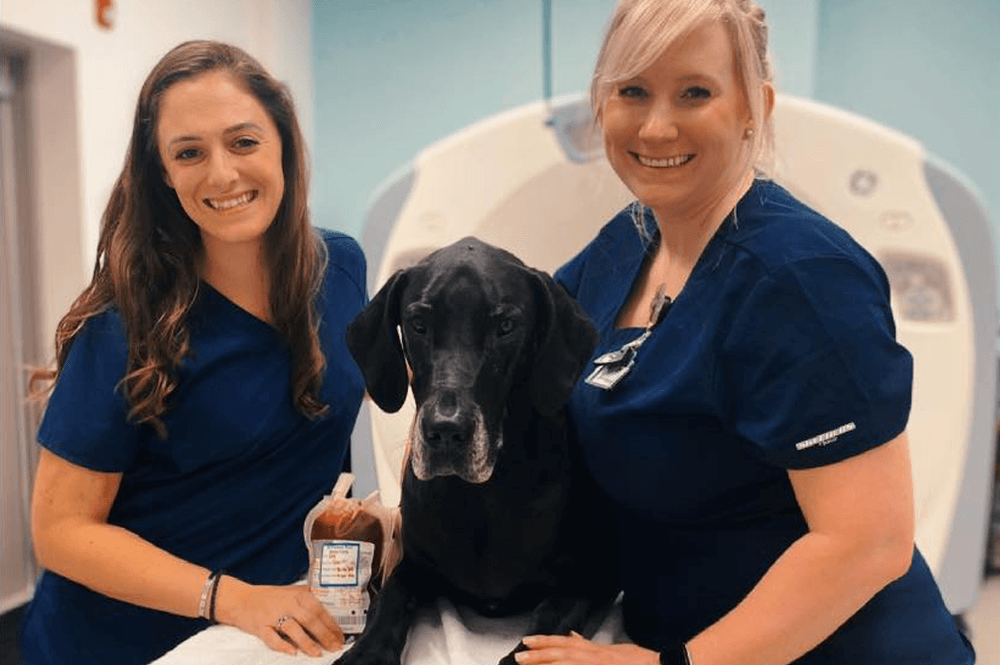
Taking care of your pet’s health means ensuring their vaccinations are up-to-date. Vaccinations protect them from harmful diseases and keep other animals and humans safe. This is important when considering the larger picture of public health. West Chester veterinary clinics know that vaccines form a cornerstone of general veterinary care. They stop the spread of diseases that could otherwise cause outbreaks. Without vaccines, your pet’s health—and the health of other animals—might be at risk. Think of vaccines as a shield. They prevent common illnesses like rabies, distemper, and parvovirus, all of which can devastate a pet’s quality of life. Many illnesses are preventable through timely vaccinations. A simple visit to your vet can make all the difference. When your pets are vaccinated, you’re doing your part to keep them and your community safe. It’s a powerful step in caring for your furry friends.
The Importance of Vaccination
Vaccinations serve as a protective measure against a host of infectious diseases. They stimulate your pet’s immune system to recognize and combat pathogens. These pathogens cause diseases that can be severe or fatal. Rabies, for example, is almost always fatal once symptoms appear. Yet, it is easily prevented with a vaccine.
Many pet owners may not realize how easily diseases can spread. Animals frequently come into contact with each other. Whether it’s at the park, the groomer, or even through a fence, disease can spread rapidly. Young animals are particularly vulnerable. Their immune systems are still maturing, making vaccinations even more crucial.
Common Vaccines and Their Benefits
The following table outlines some common vaccines and their benefits:
| Vaccine | Prevents | Importance |
|---|---|---|
| Rabies | Rabies virus | Protects against a fatal disease transmissible to humans |
| Canine Distemper | Distemper virus | Prevents a severe and often deadly disease |
| Parvovirus | Canine parvovirus | Prevents a highly contagious virus causing severe gastrointestinal distress |
Reducing Risks For Everyone
When your pet is vaccinated, you’re not just protecting them. You’re also protecting other pets and people. Diseases like rabies can spread between animals and humans. Vaccination helps control outbreaks and protect vulnerable groups. This is known as herd immunity. It plays a vital role in keeping everyone safe.
According to the Centers for Disease Control and Prevention, vaccines have helped lower the incidence of many diseases. They are a critical tool in maintaining public health. By vaccinating pets, you help minimize the spread of disease. This keeps community transmission low.
Making Vaccinations Part of Routine Care
Incorporating vaccinations into regular check-ups is straightforward. Your veterinarian will set up a schedule based on your pet’s age, health, and lifestyle. Puppies and kittens usually need several rounds of vaccines early on. After the initial series, boosters keep their immunity strong.
Adult pets need regular boosters. These maintain protection against threats. Your vet may also recommend additional vaccines based on specific risks. For instance, pets in certain areas might need more protection against Lyme disease.
Understanding Vaccine Safety
Vaccines undergo rigorous testing before they’re deemed safe. Side effects are typically mild and temporary. They might include slight swelling or tenderness at the injection site. Serious reactions are rare.
Your vet will discuss the benefits and any potential risks with you. This ensures you make informed decisions about your pet’s health. The benefits of vaccination far outweigh the risks. This makes them a key component of responsible pet ownership.
Conclusion
Vaccinations are a simple yet powerful way to protect your pet’s health. They prevent many serious diseases, reducing risks for both pets and people. By keeping up with vaccinations, you ensure your furry friends live long, healthy lives. Regular check-ups and discussions with your vet can help tailor a vaccination plan that best suits your pet’s needs. Together, these efforts contribute to a safer, healthier community for all.
Apart from that, if you want to know more about How To Choose The Right Veterinary Hospital For Your Pet then visit our Health category.