

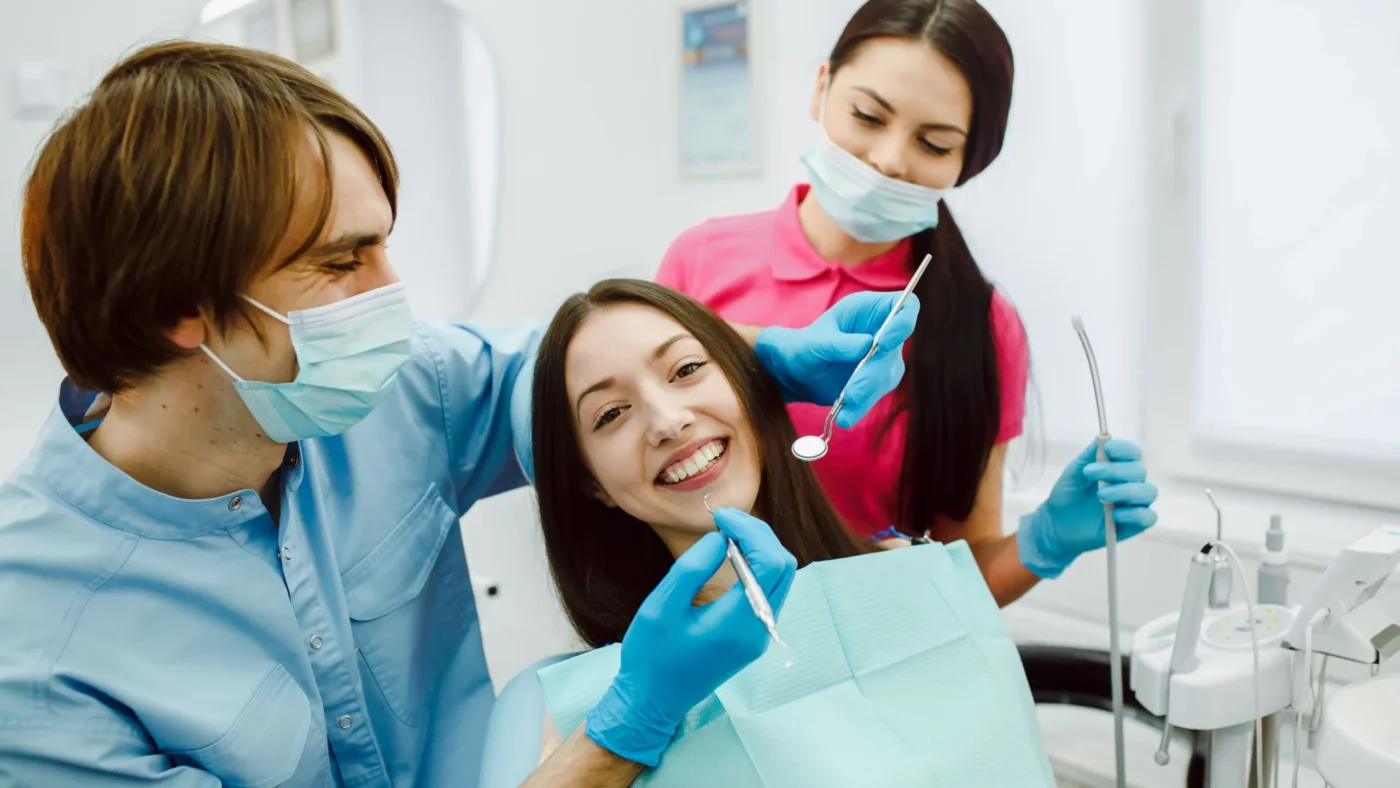
Preventive dentistry protects generations of smiles because the habits, check-ups and early treatments that keep one person’s teeth healthy are learned, copied and passed down inside a family. When parents keep regular cleanings, use fluoride and catch small problems early, children grow up treating dental care as normal rather than frightening, and they carry that routine into their own homes later.
This guide explains what preventive dentistry actually includes, how it works at each stage of life, what a realistic family routine looks like, and how to choose a dental office that will support your household for years rather than just fix emergencies.
What Preventive Dentistry Includes
Preventive dentistry is the part of dental care aimed at stopping tooth decay, gum disease and other oral problems before they need fillings, root canals or extractions. It has two halves: what happens in the dental chair and what happens at home every day. Neither works well without the other.
In the dental office
- Routine exams: the dentist checks teeth, gums, bite, existing fillings and the soft tissues of the mouth, including a visual screening for signs of oral cancer.
- Professional cleanings: a hygienist removes hardened plaque (tartar) that a toothbrush cannot shift, especially along and below the gumline.
- X-rays when needed: these show decay between teeth and problems under the gums that are invisible during a visual exam. How often they are taken depends on your risk level.
- Fluoride treatments: a concentrated varnish or gel helps strengthen enamel and can reverse very early decay.
- Dental sealants: a thin protective coating painted into the deep grooves of back teeth, where most childhood cavities start.
- Personalized advice: guidance on brushing technique, diet, mouthguards for sports or night grinding, and when to return.
At home
- Brushing twice a day for about two minutes with a fluoride toothpaste.
- Cleaning between teeth once a day with floss, interdental brushes or a water flosser.
- Limiting how often you snack on sugary foods and drinks, since frequency matters as much as quantity.
- Drinking water between meals, ideally fluoridated tap water where it is available.
- Avoiding tobacco, which raises the risk of gum disease and oral cancer.
Pairing these habits with regular visits to a local practice, such as an Abilene dentist, means problems are usually caught while they are small, quick and inexpensive to treat.
Why Prevention Carries Across Generations
Oral health tends to run in families, and genetics is only part of the reason. Households share diets, snacking patterns, attitudes toward the dentist and even the bacteria that cause decay, which can pass from parent to child through shared spoons or cups. That cuts both ways: poor habits get repeated, but so do good ones.
- Children copy what they see. A child who watches a parent floss every night is far more likely to do it without being nagged.
- Calm visits build calm adults. Children whose early appointments were routine cleanings, not emergency extractions, are less likely to develop dental anxiety later.
- Knowledge gets passed on. Parents who understand fluoride, sealants and sugar timing teach those lessons to their kids, who later teach their own.
- Grandparents benefit too. Older relatives who keep their natural teeth longer can eat a wider range of foods and stay healthier overall.
Continuity also matters. Seeing the same practice over many years gives the team a long-term record of each family member’s history, which makes it easier to spot changes early. We cover that point in more depth in our article on why consistency with a family dentist reduces long-term anxiety.
Preventive Care at Every Stage of Life
| Life stage | Main risks | Preventive focus |
|---|---|---|
| Babies and toddlers | Early childhood decay from bottles and frequent snacking | First dental visit by the first birthday or when the first tooth appears; wipe gums and brush first teeth with a smear of fluoride toothpaste |
| School-age children | Cavities in back teeth, sports injuries | Sealants on permanent molars, fluoride varnish, supervised brushing, mouthguards for contact sports |
| Teenagers | Sugary drinks, braces, irregular brushing | Extra cleaning around orthodontic brackets, diet guidance, keeping up six-monthly visits |
| Adults | Gum disease, worn or cracked teeth, stress-related grinding | Regular cleanings, gum checks, night guards if needed, oral cancer screening |
| Pregnancy | Pregnancy-related gum inflammation | Keep routine cleanings; tell your dentist you are pregnant |
| Older adults | Dry mouth from medications, root decay, denture care | Fluoride for exposed roots, review of medications, careful cleaning of dentures and implants |
Recall intervals vary. Many people are seen about every six months, but a dentist may suggest shorter gaps for people with gum disease or frequent cavities and longer gaps for those at very low risk.
Preventive vs. Reactive Dental Care
The difference between prevention and waiting for pain is easiest to see side by side.
| Aspect | Preventive care | Reactive care |
|---|---|---|
| Focus | Keeping teeth and gums healthy | Treating problems after they appear |
| Typical treatment | Cleanings, fluoride, sealants, small fillings | Large fillings, root canals, crowns, extractions |
| Cost over time | Lower and predictable | Higher and often unexpected |
| Comfort | Short, usually painless visits | Visits often prompted by pain or swelling |
| Visit pattern | Scheduled check-ups | Appointments only when something hurts |
| Effect on children | Dental visits feel routine | Dental visits become linked with pain and fear |
Many dental insurance plans in the US cover routine exams and cleanings at a high percentage because they are cheaper than the treatments they prevent. Check your own plan’s details. Prevention also protects the money you have already spent on restorations, a point covered in our guide on how preventive care also protects cosmetic work like veneers and crowns.
Building a Family Prevention Routine
A routine only works if it fits real life. These steps make it easier to keep going for years.
- Book everyone’s check-ups together. Back-to-back family appointments cut down on missed school and work and make it harder to forget anyone.
- Set a fixed brushing time. Brushing right after breakfast and right before bed, together where possible, turns it into a habit rather than a chore.
- Supervise young children. Most kids need help or checking until they have the dexterity to clean all surfaces properly, often around age seven or eight.
- Plan snacks, not grazing. Serve snacks at set times and keep sweet drinks to mealtimes so teeth get a break from acid attacks.
- Replace toothbrushes regularly. Swap them every three to four months, or sooner if the bristles are frayed or after an illness.
- Keep a simple record. Note each person’s next appointment, sealant dates and any treatment the dentist recommends.
Common mistakes to avoid
- Putting a baby to bed with a bottle of milk or juice.
- Skipping visits because nothing hurts; early decay and gum disease are often painless.
- Rinsing with water straight after brushing, which washes away fluoride from the toothpaste.
- Brushing hard with a stiff brush, which can wear enamel and push gums back.
- Assuming baby teeth do not matter; they hold space for adult teeth and affect speech and eating.
How Schools and Communities Help
Prevention is not only a family matter. School-based sealant programs, community water fluoridation and public education campaigns reach children who might not otherwise see a dentist regularly. Public health guidance, such as the CDC’s Oral Health pages, describes sealants and fluoride as proven, cost-effective ways to reduce tooth decay. Community workshops, school screenings and partnerships with local dental offices give parents practical information and help children see dental care as part of normal health.
Healthy teeth also have knock-on effects. Children with untreated dental pain may struggle to concentrate and miss school, and adults with dental problems may lose time at work. Keeping a household’s teeth healthy supports learning, work and overall well-being.
How to Choose a Family Dentist for Long-Term Prevention
- Sees all ages: a practice that treats children and adults makes family scheduling simpler.
- Explains, not just treats: look for a team that shows you X-rays and explains why a treatment is or is not needed.
- Gentle with children: ask how they handle a nervous first visit.
- Clear costs: written estimates and help understanding your insurance benefits.
- Convenient location and hours: the easier it is to get there, the more likely you are to keep appointments.
- Emergency access: find out how they handle urgent problems outside normal hours.
If you or a family member has a specific condition, such as diabetes, pregnancy or a medication that causes dry mouth, speak to your dentist and doctor about how it affects your oral care plan.
Bottom Line: Prevention Is a Family Inheritance
The most valuable thing you can pass down is not a perfect smile but a routine: twice-daily fluoride brushing, daily cleaning between teeth, sensible snacking and regular check-ups starting in early childhood. Book the next round of family appointments today and make prevention the habit your children inherit. For more articles on family wellness, browse our Health category.
Frequently Asked Questions
At what age should a child first see a dentist?
Dental organizations in the US recommend a first visit by a child’s first birthday or within six months of the first tooth appearing. Early visits are mostly about checking development, applying fluoride if needed and showing parents how to clean young teeth.
How often should a family have dental check-ups?
Many people are seen about every six months, but the right interval depends on individual risk. Your dentist may recommend more frequent visits for gum disease or frequent cavities and less frequent ones for very low-risk patients.
Are dental sealants worth it for children?
Sealants protect the deep grooves of back teeth where most childhood cavities develop, and public health agencies describe them as an effective way to prevent decay. They are quick, painless to apply and are usually placed soon after the permanent molars come in.
Does preventive dentistry really save money?
Routine exams and cleanings usually cost far less than fillings, root canals or crowns, and many insurance plans cover them at a high rate. Catching decay early often means a small filling instead of a much larger and more expensive repair.
Can adults still benefit if they skipped the dentist for years?
Yes. A first visit after a long gap usually involves a thorough exam, X-rays and a deep cleaning if needed, followed by a plan to treat any existing problems. After that, regular preventive visits help keep things stable.