

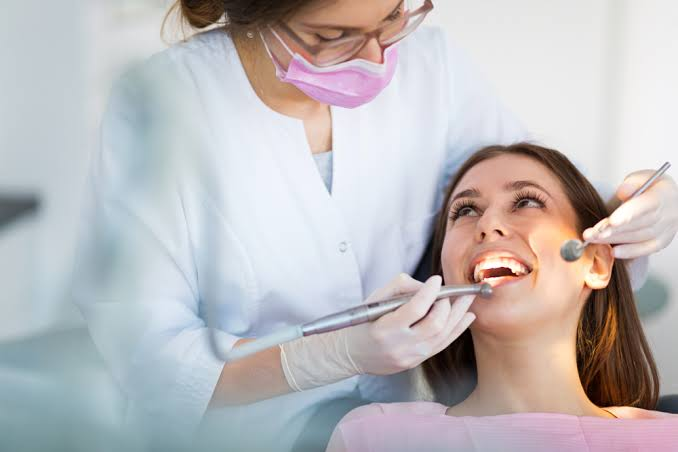
You may have looked at your smile in the mirror and thought, “I want to fix this,” then stopped right there because the next thought was cost, time, or the fear of walking into a dental office and being sold something you did not ask for. That hesitation is common. Cosmetic dental care can feel like a luxury category, separate from regular checkups and separate from real life. If speaking with a dentist in Far Rockaway, Queens feels like a practical first step, you are not alone.
That is where family dentistry changes the picture. A family practice often becomes the place where routine care, trust, and appearance goals meet. Instead of treating whitening, bonding, or veneers as isolated services, a family and cosmetic dentist can connect them to your long term oral health, your budget, and your comfort level. The role of family dentistry in making cosmetic services accessible comes down to familiarity, prevention, phased treatment, and a care plan that fits daily life instead of disrupting it.
Family dentistry lowers the barrier to cosmetic dental care
When you already bring your child in for cleanings or go in for your own exams, you are not starting from zero. The office knows your history. You know the team. That matters more than people think. Cosmetic treatment feels less intimidating when it comes from a practice that already handles your regular care.
Trust affects access. If you have ever delayed treatment because you were worried about judgment over stained teeth, crowding, or old dental work, you are not alone. Family practices tend to see the full range of dental needs across ages, which often makes conversations about appearance feel more normal and less loaded. You are not walking into a showroom. You are walking into a place built around ongoing care.
That continuity also helps with timing. A dentist who sees you regularly can spot issues early, explain what is cosmetic and what is structural, and help you avoid paying for appearance based work before the foundation is ready. A person who wants whitening but has untreated decay, worn enamel, or gum inflammation needs a different order of care. Guidance like that protects both your smile and your wallet.
Routine care creates a path to affordable cosmetic treatment
Cosmetic results last longer when the basics are in place. Daily brushing, flossing, fluoride use, and regular cleanings support almost every smile improvement you might consider. The National Institute of Dental and Craniofacial Research offers practical oral hygiene guidance that shows how much simple habits affect long term outcomes.
That link between prevention and appearance is easy to miss. People often think of cosmetic care as separate from health care, but stained buildup, inflamed gums, missing teeth, and worn edges usually reflect both function and appearance. According to Oral Health in America, oral health is tied to overall well being, quality of life, and social confidence. A family practice can treat those concerns together instead of making you choose one or the other.
Money is usually the hardest part. The HRSA oral health fact sheet points to real access gaps in dental care across the country. For many households, cosmetic work feels out of reach because it has to compete with rent, child care, and basic medical expenses. Family dentistry helps by breaking care into phases. You may start with preventive visits, replace an old filling that shows when you smile, then move to whitening or bonding later. That step by step approach is often more realistic than a single large treatment plan.
This is also one reason cosmetic services through family dentistry matter. Access is not only about whether a procedure exists. Access is whether you can understand it, trust it, schedule it, and pay for it over time without chaos.
Family practices make cosmetic dentistry feel practical instead of distant
A stand alone cosmetic consultation can feel high pressure. A family office often frames the same options in a more grounded way. You might ask about a chipped front tooth during a cleaning visit. Your child might be getting sealants while you ask whether whitening makes sense after orthodontic treatment. Those real life moments make accessible cosmetic dentistry feel less like a big leap and more like a normal next step.
That practical setting also supports better decisions. If you are considering veneers, for example, you need to know whether enamel wear, clenching, or gum recession could affect the result. If you want tooth colored bonding, you need to know how long it may last and how stain prone it can be. A family and cosmetic dentist can compare those options in plain language and match them to how you actually live.
Access improves when people start younger too. Recent data from NIDCR shows dental visits are increasing with support for pediatric providers. That matters because children who grow up with regular dental care are more likely to see dentistry as part of normal health maintenance, not a place to avoid until something hurts or becomes embarrassing.
Common cosmetic options fit different budgets and goals
| Service | Best For | Cost Consideration | Access Through Family Dentistry |
|---|---|---|---|
| Professional whitening | Surface stains and dull color | Usually lower cost than veneers | Often added after a cleaning and exam |
| Bonding | Small chips, gaps, uneven edges | Often more budget friendly for minor fixes | Can be done in a routine care setting |
| Tooth colored fillings | Decay in visible areas | Blends health and appearance value | Common in family dental treatment plans |
| Veneers | Shape, color, and symmetry changes | Higher upfront cost | Needs careful planning and oral health review |
Three steps help you move forward without overwhelm
Start with a preventive visit. If it has been a while, begin with an exam and cleaning. You need a clear picture of gum health, decay, old dental work, and wear patterns before making cosmetic choices.
Ask for phased options. Tell the office you want to improve your smile but need realistic steps. A good plan may separate immediate needs from appearance upgrades so you can spread out costs and avoid rushed decisions.
Match the treatment to your real goal. If your concern is one dark tooth, whitening every tooth may not solve it. If your issue is a chipped edge, bonding may do the job without moving to a more expensive service. Be specific about what bothers you when you smile.
Accessible smile care starts with familiar care
You do not need to treat cosmetic dentistry like a separate world meant for other people. The bridge between basic care and smile improvement is often your regular dental home. A trusted cosmetic dentist within a family practice can help you sort out what is necessary, what is optional, and what can wait, all without making you feel behind or priced out. When you are ready, schedule a visit and ask about a plan that fits your health, your budget, and the smile you want to see.