
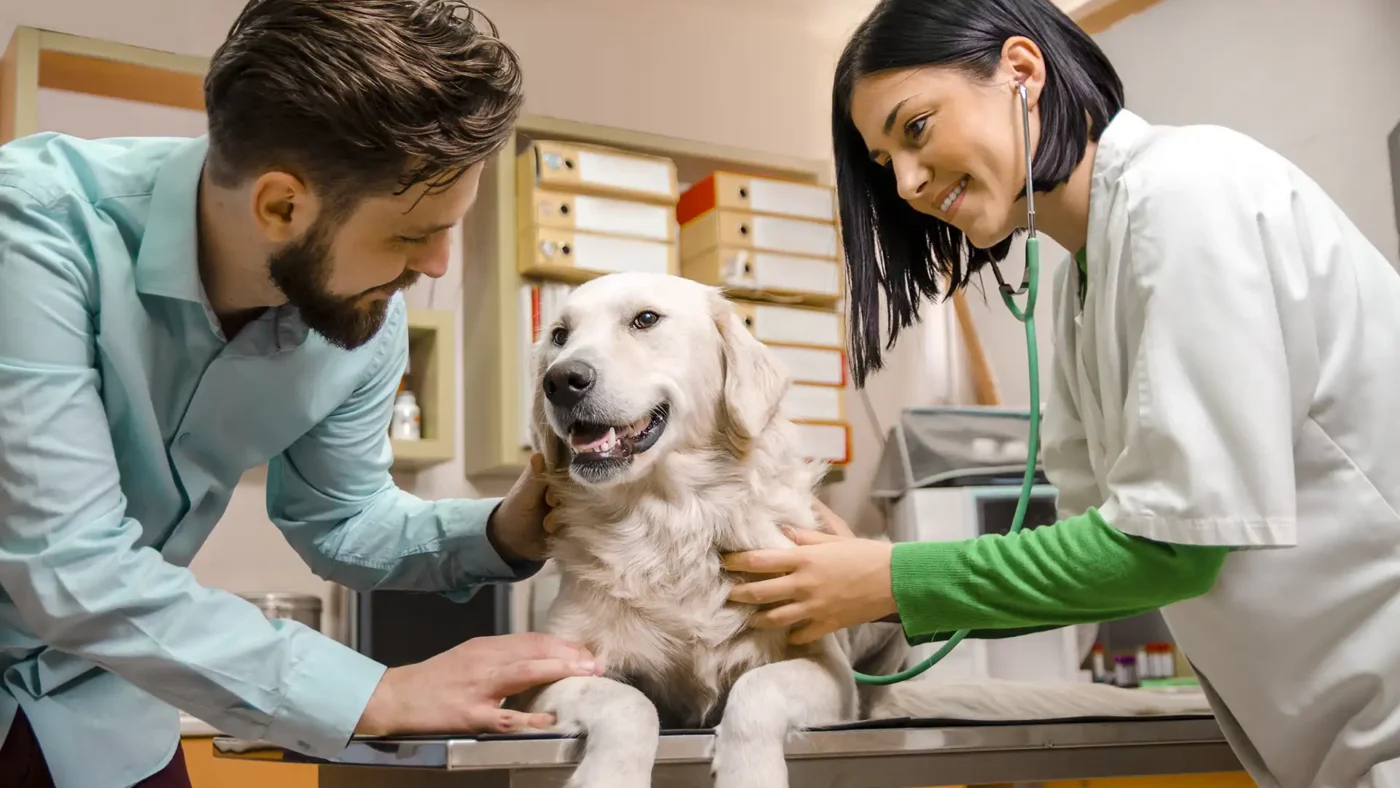
When your pet starts to slow down, you often sense that something is wrong before anyone else does. Yet many serious diseases in pets grow in silence. You may not notice clear signs until the sickness is advanced and treatment is harder. Early disease detection gives your pet a better chance at a longer and more comfortable life. Regular visits to an animal hospital do more than update shots. These visits let trained staff catch small changes in weight, behavior, heart sounds, or lab tests. A Fontana animal doctor can spot hidden problems such as kidney disease, diabetes, or cancer long before you see them at home. Quick action can reduce pain, lower costs, and prevent emergencies. This blog explains how animal hospitals use exams, blood work, imaging, and simple questions about daily habits to find trouble early and protect your pet’s health.
Why early detection matters for your pet
Early detection is simple. You find disease before it causes deep damage. That often means:
- Less pain for your pet
- Lower treatment costs for you
- Higher chance of control or cure
The U.S. Food and Drug Administration explains that regular checkups help catch problems that owners miss at home. You can read more in their guide on animal health at FDA Animal Health Literacy.
Most pets hide weakness. This is instinct. By the time you see weight loss, trouble walking, or changes in bathroom habits, disease may be advanced. An animal hospital uses tools and skills that reach under the surface.
What happens during a wellness visit
A wellness visit is more than a quick look. Each part has a purpose.
- History. Staff ask about eating, drinking, bathroom use, activity, sleep, and any new behaviors.
- Physical exam. The doctor checks eyes, ears, mouth, skin, heart, lungs, belly, joints, and weight.
- Screening tests. Blood, urine, and stool tests can reveal hidden problems.
- Vaccines and parasite checks. These prevent disease that can harm your pet or your family.
Each visit builds a record. When numbers or signs change, the team can act fast.
Common diseases found early at animal hospitals
Many common pet diseases start quietly. Here are some that animal hospitals often find during routine visits.
- Kidney disease. Early stages show only small changes in blood and urine.
- Diabetes. High blood sugar, increased thirst, and weight change can appear first in lab results.
- Heart disease. A soft heart murmur or slight lung change can warn of future heart failure.
- Cancer. Small lumps, pale gums, or odd blood counts may be early warning signs.
- Thyroid disease. Changes in energy, weight, or heart rate often match hormone shifts.
When you catch these problems early, treatment is simpler. Your pet often stays at home instead of in an emergency room.
How animal hospitals detect disease
Animal hospitals rely on three main tools. Each one adds a piece to the story.
1. Physical exams
The hands and eyes of the doctor are the first tools. During an exam the doctor can:
- Feel for lumps or organ changes
- Listen for heart murmurs or lung crackles
- Check joints for pain or stiffness
- Look at gums, teeth, and eyes for disease signs
Small changes from the last visit can alert the doctor to dig deeper.
2. Lab tests
Basic lab work often includes:
- Complete blood count
- Chemistry panel for liver and kidney function
- Urinalysis
- Fecal test for parasites
The American Veterinary Medical Association explains that routine testing helps reveal disease before symptoms appear. You can learn more at AVMA Wellness Resources.
3. Imaging
When needed, the doctor may suggest:
- X rays to check bones, lungs, and organs
- Ultrasound to look inside the belly or heart
- Dental X rays to see hidden tooth disease
These tools help find tumors, stones, heart changes, and other problems that touch or blood tests cannot show.
How often should your pet see an animal hospital
The right schedule depends on age and health. The table below gives general guidance. Your own doctor may adjust this based on risk and history.
| Pet life stage | Typical age range | Visit frequency | Key early detection checks |
|---|---|---|---|
| Puppy or kitten | Birth to 1 year | Every 3 to 4 weeks, then every 6 to 12 months | Vaccines, parasites, birth defects, growth problems |
| Adult | 1 to 7 years dogs, 1 to 9 years cats | At least once per year | Weight change, dental disease, organ function, behavior shifts |
| Senior | Over 7 years dogs, over 9 years cats | Every 6 months | Kidney and liver disease, cancer, heart disease, arthritis, cognitive change |
Signs that mean you should not wait
Regular wellness visits are essential. Still, some signs mean you should call an animal hospital right away.
- Fast weight loss or gain
- Not eating for more than a day
- New trouble breathing or constant coughing
- Straining to pee or poop
- Blood in urine, stool, or vomit
- Sudden weakness, wobbling, or collapse
- Seizures or odd behavior
- A lump that grows or changes
Quick care during these moments can save your pet’s life. It can also stop a treatable problem from turning into a crisis.
How you can support early detection at home
You share responsibility with the animal hospital. You see your pet every day. The staff sees your pet a few times each year. You can help by:
- Tracking weight and appetite
- Watching water intake and bathroom habits
- Noting any new lumps, bumps, or limps
- Keeping a list of questions for each visit
- Following vaccine, parasite, and dental plans
Simple notes on a calendar or phone can help you share clear facts with the doctor.
Taking the next step
You do not need to wait for a clear problem before you act. You can call an animal hospital today and ask when your pet is due for a wellness visit. You can bring any records, write down your concerns, and ask about screening tests that match your pet’s age and risk.
Early disease detection is an act of care. It protects your pet’s comfort. It protects your budget. It gives you more shared time. Each visit, each test, and each question helps build a shield around the animal you love.
Apart from that, if you want to know more about How Urgent Care Clinics Handle Sudden Illness In Pets then visit our Pets category.