


Introduction
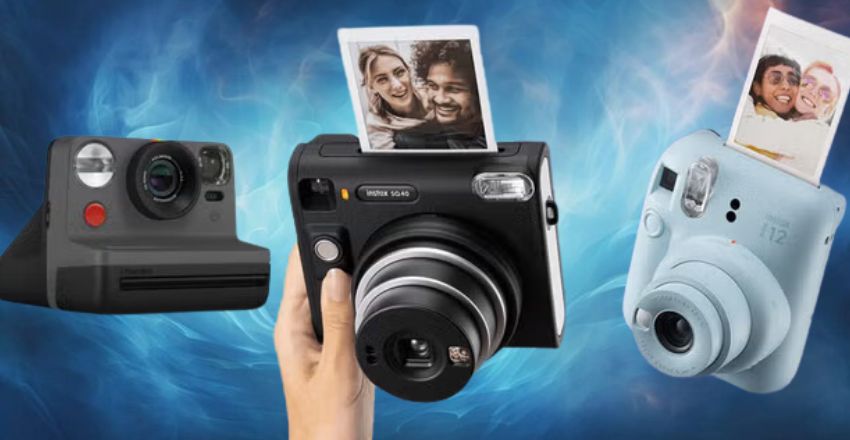
Instant cameras have gained immense popularity, providing a fun and convenient way to capture memories. These unique devices allow you to take pictures and watch them develop in minutes, creating tangible keepsakes. Various types exist, including Fujifilm’s compact Instax series and Polaroid’s vintage-style cameras, each offering features like fixed lenses and different film sizes.
With their creative potential, instant cameras make sharing special moments at events and gatherings easy, enhancing any experience.
The Timeless Appeal of Instant Cameras
Instant cameras continue to captivate photography enthusiasts by combining simplicity, nostalgia, and tangible results in a single device. Unlike digital cameras that store images electronically, instant cameras use self-developing film that processes and prints photographs immediately after they are taken, allowing users to hold a physical photo within moments. This immediate development creates a sense of excitement and authenticity, as each print is unique and cannot be perfectly replicated. Their easy-to-use design, minimal settings, and focus on spontaneous photography make instant cameras especially appealing to beginners, travelers, and anyone who values creative expression without technical complexity.
An instant camera
An instant camera combines fun and convenience, allowing you to take pictures and watch them develop in minutes. Most models feature fixed lenses and use film sizes like 62mm x 46mm for Fujifilm or 79mm x 79mm for Polaroid. With various types available, instant cameras create memorable experiences at events, making it easy to capture and share special moments with friends and family.
Types of Instant Cameras
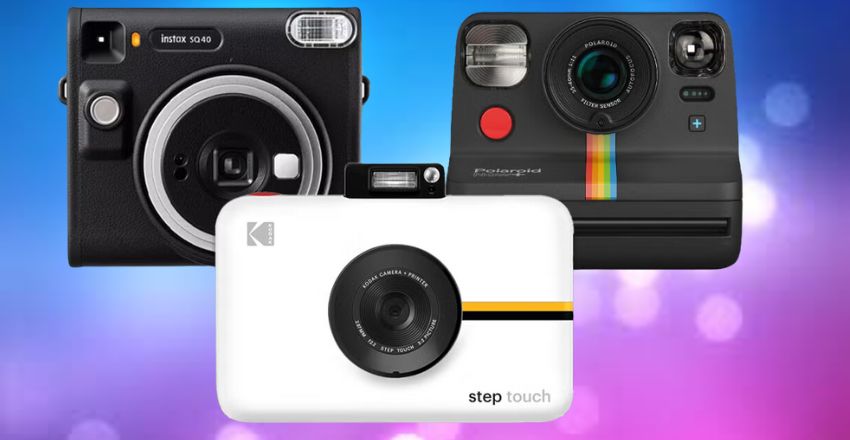
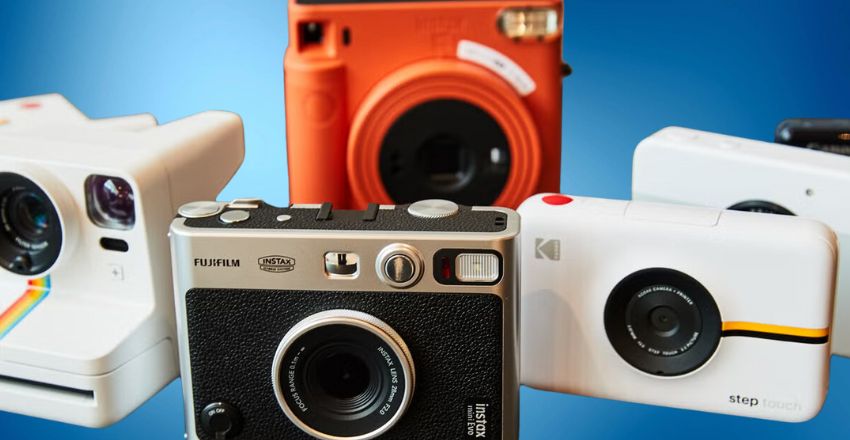
There are several types of instant cameras on the market, each with unique features. The most well-known brands are Fujifilm and Polaroid.
· Fujifilm’s Instax series offers compact cameras that produce credit card-sized photos.
· Polaroid cameras, on the other hand, create larger, square images with a vintage feel.
Other brands, like Lomography, offer instant cameras that allow creative photography techniques.
Lenses
The lens is a critical component of an instant camera, affecting how images are captured. Most instant cameras have a fixed lens, so you cannot change it. However, these lenses are designed to provide a good balance between focus and distance for everyday photography. To enhance flexibility, some models feature additional settings, like close-up or landscape modes.
Specifications
When choosing an instant camera, it’s essential to look at its specifications. Common specifications include film size, battery life, and flash options. For example, Fujifilm Instax cameras typically use 62mm x 46mm film, while Polaroid film is larger at 79mm x 79mm. Battery life can vary, with some models lasting for hundreds of photos.
| Basic | Specifications |
| Types | Fujifilm Instax, Polaroid, Lomography |
| Film Size | 62mm x 46mm (Fujifilm), 79mm x 79mm (Polaroid) |
| Lens | Fixed lens; some models offer close-up or landscape modes |
| Resolution | 200 to 600 pixels |
| Picture Quality | Vibrant colors may vary in sharpness due to conditions. |
| Price Range | $50 to $200+, plus film costs |
| Battery Life | 100 to 300 photos per charge |
| User Interface | Simple controls for easy operation |
| Dimensions | It varies by model and is generally compact for portability. |
| Flash Options | The built-in flash is available on most models. |
Resolution
Resolution refers to the number of pixels in a photo, which impacts its clarity and detail. Most instant cameras offer a resolution ranging from 200 to 600 pixels. While this may seem low compared to digital cameras, the charm of instant photos lies in their unique quality. Instant cameras focus more on capturing moments rather than achieving high resolution.
Picture Quality
Picture quality in instant cameras can vary widely between models. Generally, you can expect decent quality with vibrant colors and good contrast. However, instant photos may not always be as sharp as digital images. Factors like lighting conditions and camera settings can affect the final output. Many users appreciate the slight imperfections of instant photos as they add character and nostalgia to their memories.
Prices
The price of instant cameras can vary significantly based on brand, features, and accessories. Basic models start at around $50, while more advanced options can cost over $200. Additional expenses may include film packs, which are necessary for taking pictures. It’s essential to consider your budget and how often you plan to use the camera.
Using Instant Cameras
Using an instant camera is generally straightforward and user-friendly. Most models have a simple interface with just a few buttons. You typically need to load the film, set the desired mode, and press the shutter button to capture your moment. After taking a photo, you’ll wait a few moments for the image to develop. This simplicity makes instant cameras great for all ages, from kids to adults.
Battery Life
Battery life is essential to any instant camera, as it affects how many photos you can take before recharging. Most instant cameras typically use lithium-ion batteries, which can last for around 100 to 300 photos, depending on the model and usage. It’s important to check battery levels regularly, especially during events, to avoid missing special moments.
Creative Photography with Instant Cameras
Instant cameras offer a fun way to express creativity. Many users enjoy experimenting with angles, lighting, and framing to create unique images. Some cameras allow for double exposures or filters, adding an artistic touch to photos. Instant photos can also be used in scrapbooking or as decorations. The creative possibilities with instant cameras are endless, encouraging users to explore their artistic side.
The Social Aspect of Instant Photography
Instant cameras are perfect for social gatherings and events. They encourage interaction, as people love to take photos together and watch them develop. Instant prints make excellent party favors or keepsakes, allowing guests to take home a memory of the occasion. Sharing these photos can spark conversations and laughter, making instant photography a fun way to connect with friends and family.
Conclusion
In conclusion, instant cameras offer fun, creativity, and convenience for capturing memories. With various types available, like Fujifilm and Polaroid, users can easily find the perfect model to suit their needs. These cameras produce tangible photos quickly and enhance social interactions, making them a cherished choice for events, gatherings, and everyday moments.
Apart from that if you want to know about “Best Microphone Systems in 2024: A Comprehensive Guide” then please visit our “Tech” Category.
FAQs
The main types include Fujifilm’s Instax series, which produces credit card-sized photos, and Polaroid cameras, known for their larger, square images. Other brands, like Lomography, also offer unique features.
Consider factors like film size, lens type, resolution, picture quality, and budget. Determine what features matter most for your photography needs.
Fujifilm Instax cameras typically use 62mm x 46mm film, while Polaroid film is larger at 79mm x 79mm.
Picture quality can vary, but you can expect vibrant colors and good contrast. Instant photos may not always be as sharp as digital images, but their unique charm adds character.
Instant cameras are not better or worse, but different. They are ideal for people who enjoy physical photos, creativity, and simplicity, while digital cameras are better for storage, editing, and sharing.