

How to Increase Water Pressure?
If you’ve ever struggled with a weak shower stream, a slow-filling washing machine, or taps that barely trickle, you know how inconvenient low water pressure can be. Understanding how to increase water pressure in your home without relying on a pump can save you both time and money.
While a pressure-boosting pump is a common fix, it’s not always the most practical or affordable option, especially in areas with gravity-fed water systems or limited infrastructure.
Fortunately, there are several simple, cost-effective ways to increase water pressure naturally. By addressing common issues such as leaks, sediment buildup, or poorly designed plumbing, you can achieve stronger, more consistent water flow in your taps, washing machines, and overhead tanks.
This guide walks you through expert-approved methods, DIY maintenance tips, and smart fixture upgrades, all designed to help you understand how to increase water pressure efficiently, without electricity or complex equipment.
| Section | Purpose/Benefit |
| How to Increase Water Pressure | Explains causes of low water pressure and natural solutions without pumps. |
| Understanding the Basics of Water Pressure | Helps readers identify root causes of pressure loss. |
| Checking for Plumbing Leaks and Blockages | Restores normal pressure by fixing leaks and clearing clogs. |
| Adjusting or Replacing Tap Aerators | Improves water flow at taps while conserving water. |
| Optimizing Overhead Tank Height | Boosts gravity-fed pressure naturally. |
| Cleaning and Maintaining Water Lines | Prevents sediment buildup and improves flow consistency. |
| Improving Water Pressure in Washing Machines | Ensures machines fill properly and operate efficiently. |
| Inspecting and Adjusting the Main Water Valve | Prevents unintentional restriction of flow. |
| Managing Water Pressure During Peak Hours | Avoids low-pressure times for steady water flow. |
| Upgrading to Pressure-Enhancing Fixtures | Improves flow even under low-pressure conditions. |
| Ensuring Proper Plumbing Design | Achieves long-term pressure balance across the home. |
| Considering a Gravity-Based Pressure System | Provides a pump-free solution for single bathrooms or small homes. |
| Additional Tips for Consistent Pressure | Ensures smooth, reliable pressure year-round. |
| Conclusion | Reinforces cost-effective and sustainable solutions. |
Understanding the Basics of Water Pressure
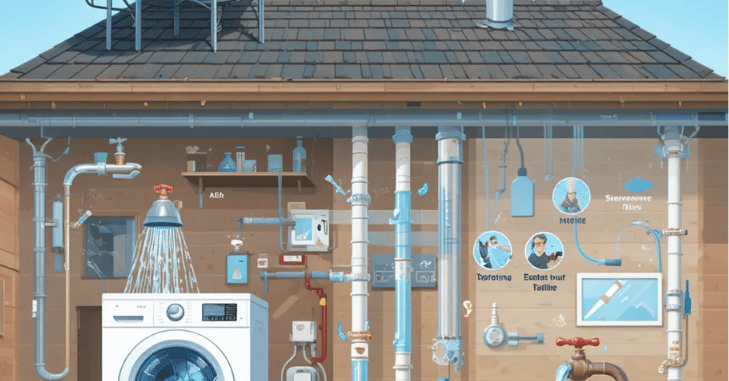
Before exploring solutions, it’s important to understand what water pressure actually is.
- Water pressure refers to the force that pushes water through pipes and out of taps, showers, or machines.
- It’s typically measured in psi (pounds per square inch) or bars.
- The normal household water pressure range is between 40 to 60 psi.
When water pressure drops, it may be due to:
- Gravity, especially if you rely on an overhead tank
- Pipe blockages or leaks
- Poor plumbing design
- Partially closed valves
- Mineral or sediment buildup
Checking for Plumbing Leaks and Blockages
One of the most common reasons for weak water flow in homes is leakage or blockage in plumbing lines. Before spending on equipment or installations, it’s essential to identify whether your system is losing pressure due to these internal issues.
How to Check for Leaks?
Begin by turning off all water outlets in your home to isolate the system. Next, take a reading from your water meter and wait about 30 minutes without using any water. If the reading changes, it’s a clear sign of a leak somewhere in the line.
You should also examine visible pipes, joints, and fittings for drips, dampness, or small puddles that may indicate leakage. Fixing even a minor leak can significantly increase water pressure and improve overall flow throughout the house.
How to Clear Blockages?
If your plumbing lines are leak-free but the pressure remains low, blockages could be restricting water movement. Over time, sediment, rust, or limescale buildup inside the pipes can narrow the passage, causing weak flow from taps and showers.
To fix this and increase water pressure without a pump, try flushing affected fixtures with a mixture of vinegar and baking soda to dissolve mineral deposits. You can also remove faucet aerators and soak them in vinegar for several hours to clear debris.
Adjusting or Replacing Tap Aerators

Many modern taps are fitted with aerators to conserve water, but over time these can become clogged and restrict flow.
Unscrew the aerator and clean it thoroughly with vinegar or a mild descaler. If it’s too old or damaged, replace it with a new one that supports a higher flow rate. For kitchen and bathroom sinks, look for aerators labeled 2.2 GPM (gallons per minute) or higher.
If you prefer saving water while maintaining strong pressure, consider high-efficiency aerators that balance both flow and force.
Optimizing the Height of the Overhead Tank
- Gravity is one of the main forces behind water pressure in homes with overhead tanks.
- The higher the tank, the stronger the pressure will be.
- For every one meter of elevation, water pressure increases by approximately 0.1 bar.
- If the tank is installed too close to the ceiling, the pressure will naturally be low.
Ways to Improve Pressure from Overhead Tanks
- Raise the tank on a higher platform or rooftop to increase gravitational flow.
- Shorten the pipe distance between the tank and outlet taps to reduce friction loss.
- Use larger diameter pipes for smoother water flow.
- Avoid sharp bends in plumbing; use gentle curves to maintain consistent pressure.
Cleaning and Maintaining Water Lines
Sediment and debris from storage tanks often settle inside the water lines, gradually reducing pressure.
To maintain efficiency, drain and clean the overhead tank every three to six months. Use a mild bleach solution or baking soda to remove algae, rust, or mineral deposits. After cleaning, run all taps to flush out any remaining debris.
Installing a filter or mesh screen at the tank’s outlet can also prevent sediment from entering the plumbing system. If your water supply has high mineral content, perform maintenance more frequently to prevent scaling.
Improving Water Pressure in Automatic Washing Machines

Automatic washing machines rely on a steady water flow for proper operation. Low pressure can cause the machine to fill slowly or even stop functioning properly.
Common Causes
- Clogged inlet filters
- Partially closed valves
- Weak flow from the overhead tank or supply line
Solutions
- Clean the inlet mesh filter regularly to remove buildup.
- Ensure the water supply valve is fully open.
- Use shorter hoses where possible to prevent pressure loss.
- Try running your washing machine during off-peak hours when water flow is stronger.
If your washing machine receives water from an overhead tank, placing it on a lower level (closer to the tank base) can increase pressure naturally through gravity.
Inspecting and Adjusting the Main Water Valve
Checking and Adjusting Valves to Increase Water Pressure
A partially closed valve is one of the most overlooked causes of low water pressure in homes. Even if your plumbing system is in good condition, restricted valve openings can reduce flow significantly.
To begin, locate your home’s main water valve, usually found near the water meter or the main entry point of the supply line. Turn it fully open by rotating counterclockwise to allow maximum flow.
Managing Water Pressure During Peak Hours
Another factor that can influence water flow is the time of use. Municipal systems often experience pressure drops during peak hours, such as early mornings and evenings, when most households use water simultaneously.
To manage this, try scheduling water-heavy tasks like laundry, dishwashing, or showers during midday or late-night hours when demand is lower and supply pressure is more stable.
Upgrading to Pressure-Enhancing Fixtures
Modern plumbing fixtures are designed to maintain a strong flow even under low pressure. These upgrades can make a noticeable difference without modifying your plumbing system.
Recommended Options
- Pressurized showerheads: Use air-mixing technology to increase spray strength.
- Flow-optimizing faucets: Maintain velocity despite low input pressure.
- Anti-clog aerators: Keep water flow steady and prevent sediment buildup.
- Flexible hoses: Reduce bends and friction, ensuring smoother flow.
These enhancements are affordable, easy to install, and ideal for urban homes facing inconsistent water supply.
Ensuring Proper Plumbing Design

In older buildings, outdated or poorly designed plumbing systems often cause uneven water pressure across outlets.
To improve flow:
- Keep pipelines as short and straight as possible.
- Avoid unnecessary bends and elbows.
- Use pipes with a consistent diameter—preferably PVC or CPVC.
- Provide separate water supply lines for each floor in multi-story homes.
- If multiple taps share a single line, consider installing branch valves to balance pressure.
A good plumbing layout is the foundation for steady water pressure and efficient water use.
Considering a Gravity-Based Pressure System
If raising your overhead tank isn’t possible, you can install a simple gravity-fed pressure system that doesn’t require electricity.
This setup uses an elevated secondary container that works on gravity and siphoning principles to increase flow. Non-return valves prevent backflow, making it a practical and maintenance-free option for single bathrooms or washing areas.
Additional Tips for Consistent Water Pressure
- Seal all pipe joints and fittings properly to avoid leaks.
- Use descaling agents periodically if you have hard water.
- Inspect tank outlets and pipelines every few months.
- Avoid connecting too many fixtures to one water line.
- When renovating, discuss proper pipe size and design with your plumber for balanced pressure.
Conclusion
Learning how to increase water pressure doesn’t always require expensive equipment or professional intervention. By taking a few practical steps, such as checking for leaks, cleaning tap aerators, maintaining your overhead tank, and ensuring valves are fully open, you can noticeably improve water flow throughout your home.
Even simple adjustments, like raising your water tank or installing modern pressure-enhancing fixtures, can make a big difference in performance.
Consistent maintenance is key. Regularly flushing pipes, cleaning sediment from storage tanks, and using wider, smoother plumbing lines all contribute to steady and reliable pressure.
Whether you’re dealing with weak taps, slow-filling washing machines, or inconsistent shower flow, these gravity-based and low-cost methods offer effective solutions.
Apart from that, if you want to know more about Acrylic vs Glass: Choosing the Right Material for Your Design Project then visit our Home Improvement category.
FAQs
In these situations, a mains booster pump can be used to increase the incoming mains water flow.
Yes, plumbers diagnose and fix low water pressure issues.
One of the most frequent causes of pumps not producing the expected pressure is improper intake conditions.