


Introduction
Gray hair is a natural part of aging, but for many, it represents a shift they aren’t quite ready to embrace. Whether you’re experiencing your first few silver strands or a full head of gray, knowing how to cover them can help you regain confidence and maintain a youthful appearance.
Thankfully, today’s options for managing gray hair are diverse, ranging from salon-quality permanent dyes to gentle natural alternatives. How to Cover Gray Hair? Each method has its own pros and cons, and the best solution depends on your hair type, gray coverage needs, and lifestyle preferences.
In this guide, we’ll explore various techniques for covering gray hair, from chemical treatments to DIY remedies, and provide tips on how to keep your color vibrant and your hair healthy.
| Method | Coverage Level | Lasts For | Maintenance | Best For |
| Permanent Dye | Full | 4–6 weeks | Moderate | High gray volume |
| Semi/Demi-Permanent | Partial | 4–24 washes | Low | Blending gray |
| Root Touch-Ups | Targeted | 1 shampoo | Very low | In-between color sessions |
| Highlights/Lowlights | Blended | 6–12 weeks | Low | Natural, dimensional look |
| Henna | Strong | 4–6 weeks | Medium | Natural red tones |
| Tea/Coffee Rinse | Light | 1–3 washes | High | DIY, subtle darkening |
How to Cover Gray Hair?
How to Cover Gray Hair? Covering gray hair effectively involves choosing the right method based on your hair type, the percentage of gray strands, your lifestyle, and your desired look. For full and long-lasting coverage, permanent hair dyes are a popular choice, especially for individuals with over 50% gray. These dyes penetrate the hair shaft and offer rich, consistent color that typically lasts four to six weeks.
For those with fewer grays or seeking a softer, less noticeable transition, semi-permanent or demi-permanent colors work well; they gradually fade with washing and are less damaging to the hair. If you’re looking for a quick fix between color treatments, root touch-up products like sprays, powders, or wands offer instant camouflage and are easy to use at home.
Highlights and lowlights provide another sophisticated option, blending grays with the natural hair color for a dimensional, low-maintenance effect. For those who prefer chemical-free alternatives, natural remedies such as henna, coffee or tea rinses, and herbal infusions like sage and rosemary can subtly darken gray strands over time. Regardless of the method chosen, consistency and proper aftercare are key to maintaining the desired result and keeping your hair healthy and vibrant.
Understanding Gray Hair
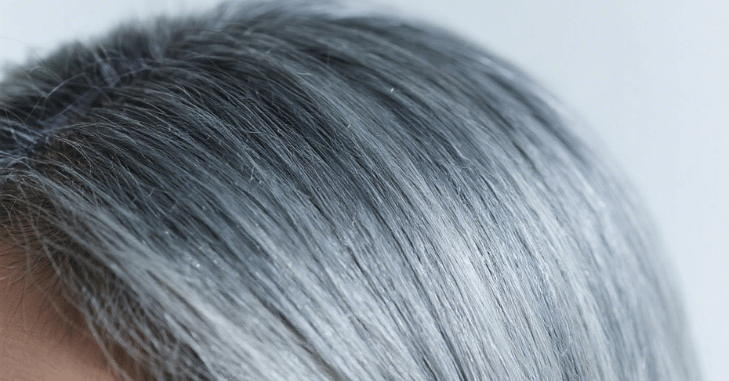
Before diving into solutions, it helps to understand why hair turns gray. Hair color is determined by melanin, a pigment produced by hair follicles. As we age, melanin production slows or stops, resulting in gray, silver, or white strands. Genetics, stress, hormonal imbalances, and vitamin deficiencies can also accelerate graying.
Top Methods to Cover Gray Hair
Permanent Hair Color (Full Coverage)
Permanent dyes offer long-lasting color and are ideal for those with over 50% gray hair.
- Pros: Long-lasting, wide color range, full coverage.
- Cons: Requires maintenance every 4–6 weeks, may cause damage over time.
Best for people wanting a complete and even color transformation.
Pro Tip: Choose a shade slightly lighter than your natural color to prevent harsh regrowth lines.
Semi-Permanent and Demi-Permanent Color
These formulas are gentler and gradually fade over 4–24 shampoos.
- Pros: Less damaging, good for experimenting, blends grays subtly.
- Cons: Doesn’t fully cover resistant gray hair, especially on coarse textures.
Best for: Those with less than 30% gray hair or who want a softer transition.
Root Touch-Up Products
Designed to target the roots and new gray growth between full coloring sessions.
- Types:
- Sprays
- Powders
- Pens or Wands
- Pros: Instant results, easy to apply, no commitment.
- Cons: Temporary (washes out with shampoo).
Best for: Quick fixes and busy lifestyles.
Highlights or Lowlights
Adding highlights or lowlights can camouflage gray hair while maintaining a natural look.
- Pros: Less obvious regrowth, adds dimension, lower maintenance.
- Cons: May require bleaching, professional application recommended.
Best for: Those who prefer a blended look rather than solid color.
Pro Tip: Balayage or “babylights” techniques are especially effective for softening gray strands.
Hair Mascaras and Crayons
Like makeup for hair, these provide quick and temporary camouflage.
- Pros: Great for on-the-go use, no damage.
- Cons: Transfers easily, limited color range.
Best for: Emergency touch-ups or occasional gray coverage.
Natural and DIY Remedies to Cover Gray Hair
If you prefer to avoid chemical dyes, natural alternatives can provide subtle color enhancement over time:
1. Henna
Derived from a plant, henna naturally stains hair a reddish-orange hue.
- Pros: Strengthens hair, long-lasting.
- Cons: Limited color range, can be unpredictable on gray hair.
Those open to warm-toned color and natural products.
2. Coffee or Tea Rinses
Coffee (for dark hair) and black tea can temporarily stain hair, darkening grays.
- Method: Brew strong coffee or tea, let it cool, then soak hair for 30 minutes before rinsing.
- Pros: Inexpensive, safe.
- Cons: Fades after a few washes.
3. Sage and Rosemary
These herbs can gradually darken gray hair over time.
- Recipe: Boil the herbs, steep for 30 minutes, cool, then use as a hair rinse regularly.
A gentle, gradual approach with added hair health benefits.
Caring for Color-Treated Gray Hair
Covering gray hair is only part of the process; maintaining it is equally important to ensure your color remains vibrant and your hair stays healthy. One of the most crucial steps is using a sulfate-free shampoo, as sulfates can strip away color and leave hair looking dull and dry.
Instead, choose gentle, color-safe formulas that preserve the richness of your shade. In addition, it’s essential to deepen your hair weekly. Coloring, particularly with permanent dyes, can lead to dryness and brittleness, so nourish your strands with hydrating masks containing ingredients like argan oil, keratin, or shea butter to restore moisture and strength.
Protection from environmental damage is another key aspect of maintenance. The sun’s UV rays and the heat from styling tools can quickly fade your color, so make a habit of wearing hats when outside and using heat protectant sprays before blow-drying or flat ironing.
When to See a Professional
While many people color their hair at home, certain scenarios call for expert help:
- You’re going dramatically lighter or darker
- You have resistant gray hair that at-home dye doesn’t cover
- You want balayage or complex coloring techniques
- You’ve had a color mishap and need correction
Tip: Bring photos of your desired result to your colorist for clearer communication.
Embracing Gray: An Alternative Perspective
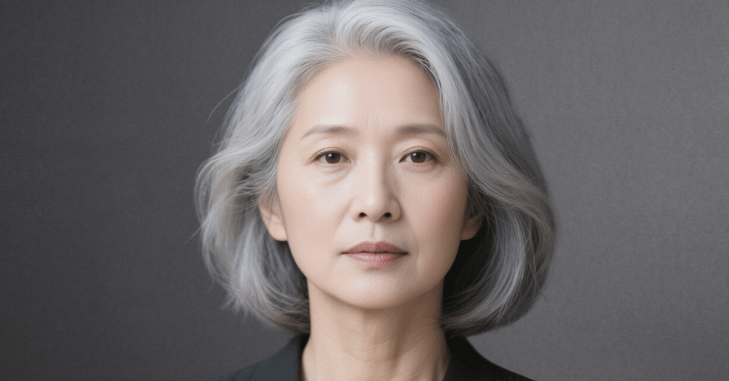
Covering gray hair isn’t the only option. More people are now embracing their natural gray, even enhancing it with silver gloss treatments and purple shampoos for brightness. Celebrities and influencers are leading a “gray pride” movement, proving that silver strands can be stylish and empowering.
Conclusion
How to Cover Gray Hair? Covering gray hair is no longer a one-size-fits-all approach. With a wide range of methods, from permanent dyes to natural rinses, there’s a solution to suit every hair type, color goal, and lifestyle. What matters most is choosing a technique that aligns with your needs and maintaining a healthy hair care routine afterward.
Whether you opt for full coverage, a blended look with highlights, or quick fixes like root touch-up sprays, the key is consistency and care. And for those who decide to embrace their natural silver, there are products and treatments designed to enhance the beauty of gray hair too.
Want to know about ‘Holiday Break Outfit: Wrapped in Warmth‘ Check out our ‘Fashion‘ category.
FAQs
Permanent hair dye offers full coverage and is ideal for those with over 50% gray.
It typically lasts 4–24 washes and is good for blending, not full coverage.
Yes, natural options like henna, coffee, and tea rinses can darken gray hair gently.
Root touch-up sprays or powders provide instant, temporary coverage between dyes.
Yes, highlights or lowlights can camouflage grays and offer a natural, low-maintenance look.