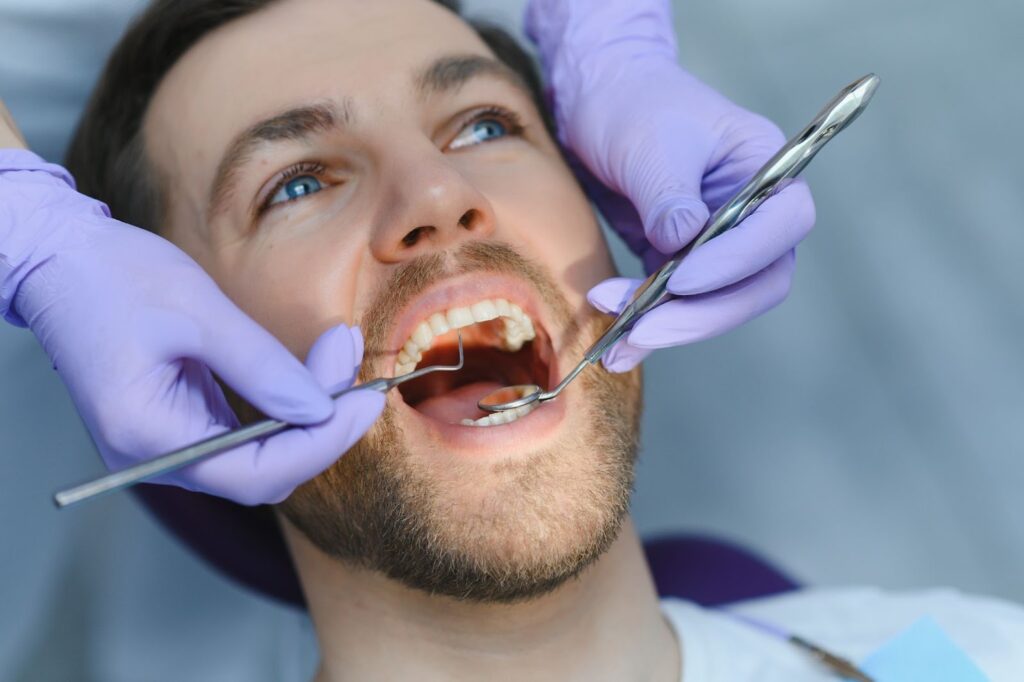

Missing teeth change how you look, speak, and eat. They often leave you feeling exposed. Implant dentistry gives you a steady way to reclaim both appearance and function. It does not just fill gaps. It restores strength so you can bite, chew, and smile without fear. Many people first try removable dentures. These can slip and rub. They can also weaken the jaw over time. In contrast, dental implants connect to the bone. They act like firm roots. They support single teeth, bridges, or full arches. They protect your jaw structure. They keep your face shape steady. They let you chew tougher food again. If you visit a denture clinic in Vanier, Ottawa, you may hear about implants as a long term option. This guide explains how implants work, how they change daily life, and what to expect if you choose this path.
What A Dental Implant Is
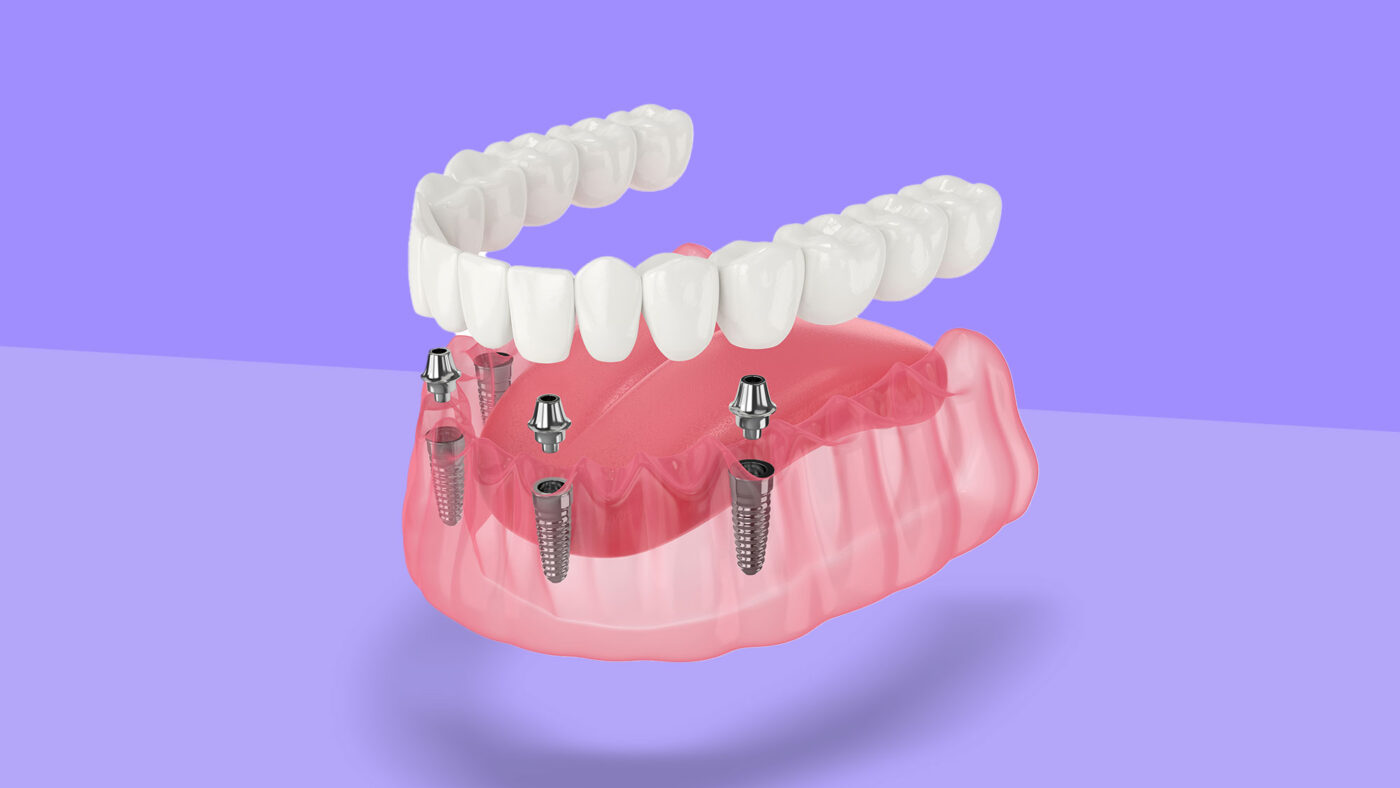
A dental implant is a small post that sits in your jaw. It holds a crown, bridge, or denture.
Each implant has three parts.
- A titanium post that replaces the tooth root
- An abutment that links the post and the crown
- A crown or bridge that shows above the gum
The post and bone grow together over time. This process creates a fixed base. The result feels close to a natural tooth.
How Implants Protect Your Jaw And Face
When you lose a tooth, the bone under that tooth starts to shrink. The body senses that the root is gone and pulls back support. Over time, this loss can create:
- Sunken cheeks
- Thin lips
- Loose dentures
Implants tell the bone to stay active. The chewing forces pass through the post into the jaw. This keeps the bone strong. It helps your face keep its shape. It also supports nearby teeth, so they do not shift or tilt.
Daily Function: Eating, Speaking, and Smiling
Teeth are tools. You need them for three core tasks.
- Chewing
- Speaking
- Showing emotion
Implants improve each task in clear ways.
Chewing
- You can bite into firm food like apples and crusts
- You can chew meat, nuts, and raw vegetables
- You can use both sides of your mouth, which protects your jaw joints
Speaking
- Teeth support the tongue and lips when you form words
- Implants keep your teeth in a fixed spot, so sounds stay clear
- You can laugh or cough without fear of movement
Smiling
- Implants fill gaps that draw attention
- The crown color and shape can match your other teeth
- You can smile in photos without hiding your mouth
Implants Compared With Other Tooth Replacement Options
You may face three main paths. A removable denture, a fixed bridge, or implants. Each choice has strengths and limits.
| Feature | Removable Denture | Fixed Bridge | Dental Implant |
|---|---|---|---|
| Stability when chewing | Can move and rub | Very stable | Very stable |
| Impact on nearby teeth | No drilling, but less support | Needs filing of nearby teeth | Usually no change to nearby teeth |
| Bone support | Bone often shrinks over time | Limited effect on bone | Helps maintain bone height |
| Cleaning | Must remove for cleaning | Requires threading floss under bridge | Brush and floss like natural teeth |
| Speech | May feel bulky at first | Feels close to natural teeth | Feels close to natural teeth |
| Long term repair needs | Relines and remakes are common | Bridge may need full replacement if one tooth fails | Crown may change, post often stays in place |
What To Expect During The Implant Process
The implant process takes planning and patience. It usually includes three stages.
1. Assessment
- Review of your health and medicines
- Exam of your mouth, gums, and bite
- X-rays or scans to measure bone height and width
Your team checks if you have enough bone. They also look for gum disease or infection that needs care first. The Centers for Disease Control and Prevention explains how gum disease links to tooth loss.
2. Implant Placement And Healing
- The implant post goes into the bone under numbing
- A short healing cap may sit on top
- The bone grows around the post over a few months
You can often wear a temporary tooth during this time. You may need soft food for a short period. You also need steady cleaning to prevent infection around the site.
3. Final Tooth Attachment
- An abutment connects to the healed post
- The dental team takes a mold or scan for the crown or bridge
- The lab shapes the tooth to match your bite and smile
Once placed, the tooth feels fixed. You can bite and speak as you did before tooth loss.
Care And Maintenance
Implants can last many years when you care for them. You can follow three simple habits.
- Brush twice a day with a soft brush
- Clean between teeth every day with floss or small brushes
- See your dental team on a regular schedule for checks and cleaning
Smoking, uncontrolled blood sugar, and poor cleaning raise the risk of failure. Your provider may ask about support to manage these risks.
When Implants May Not Be Right
Implants are not for every person. You may need another option if you have:
- Severe bone loss that cannot support a post
- Active gum infection
- Health conditions that prevent safe surgery
In those cases, well-fitted dentures or bridges can still restore function and appearance. You still gain comfort and clear speech. You still protect the teeth you have left.
Taking Your Next Step
Tooth loss can feel heavy. You may fear judgment or more loss. You deserve clear facts and steady support. A conversation with your dental team can show if implants match your health, your goals, and your budget.
With the right plan, you can regain three things. You can eat without strain. You can speak without worry. You can smile without hiding. That change can lighten every part of your day.
Apart from that, if you want to know more about How General Dentistry Sets The Stage For Smile Makeovers then visit our Health category.