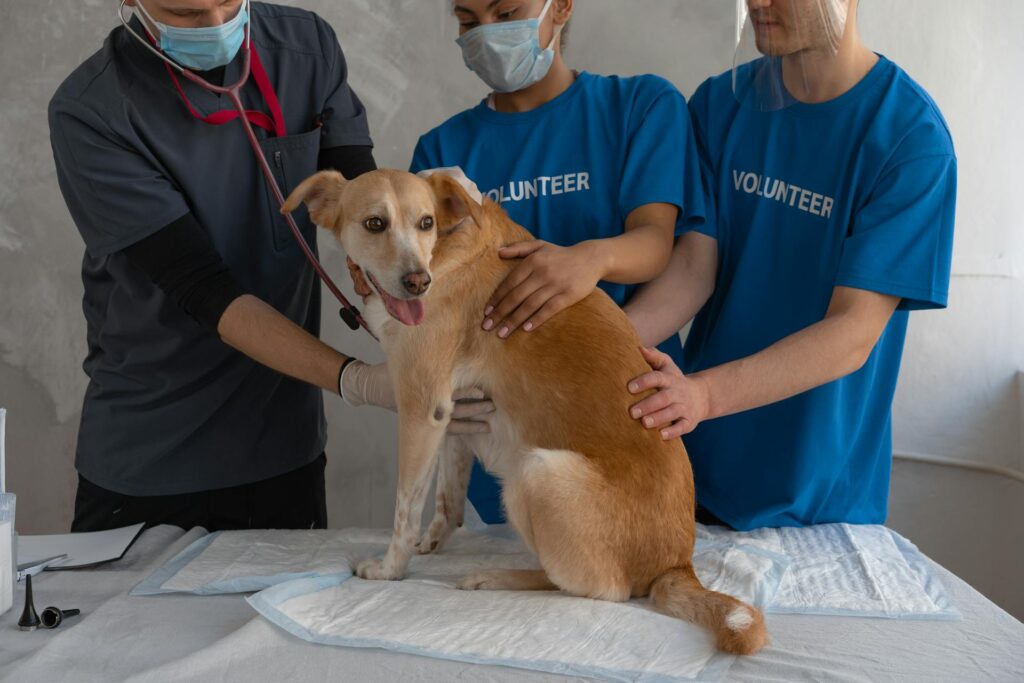

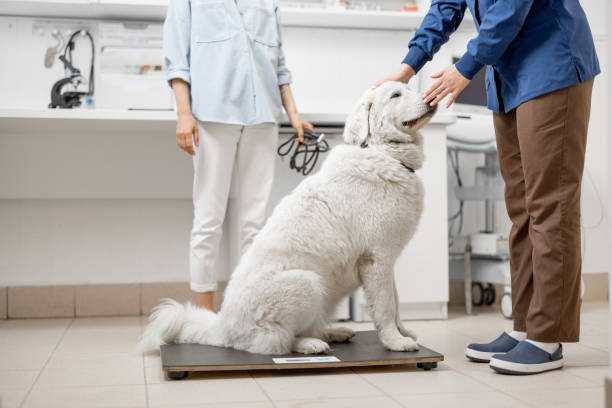
Are your furry companions at a healthy weight? Pet obesity is a growing concern, and it affects their quality of life. You might notice your pet slowing down or struggling with daily activities. A veterinarian in Markham can help you monitor and manage your pet’s weight. These experts use simple, effective steps to assess body condition. They check weight, examine body shape, and track changes over time. Vets work with you to create a tailored plan for your pet’s needs. This plan may include nutrition changes, exercise, and regular check-ups. It’s important to address weight issues early to prevent health risks like diabetes or arthritis. By working together, you ensure your pet stays healthy and happy. Understanding how vets monitor weight helps you make informed decisions for your pet’s wellbeing. Let’s explore these methods and keep our pets thriving.
Understanding Pet Obesity
Pet obesity is more than just extra pounds. It poses real health risks. Overweight pets are prone to diabetes, heart disease, and joint problems. According to the American Veterinary Medical Association, obesity shortens pets’ lifespan and diminishes their quality of life. Recognizing the signs is crucial for taking action. Common indicators include excessive weight gain, difficulty in movement, and changes in behavior. Addressing these can prevent serious health issues.
Weight Assessment Techniques
General vets employ various techniques to assess your pet’s weight accurately. They use scales to determine current weight and compare it to breed standards. Body Condition Score (BCS) is another method. It involves examining your pet’s shape from above and the side. Palpating ribs and observing fat deposits help vets gauge appropriate weight. This simple assessment provides a clear picture of your pet’s health.
Creating a Weight Management Plan
Once your vet assesses your pet’s weight, a tailored management plan follows. This plan focuses on diet, exercise, and regular monitoring. Vets recommend specific portion sizes and suitable food types. Exercise routines are adapted to your pet’s ability and lifestyle. Regular follow-ups ensure the plan’s effectiveness, allowing adjustments as needed. Consistent monitoring and minor changes lead to significant health improvements over time.
The Role of Nutrition
Nutrition plays a vital role in managing weight. Vets suggest feeding guidelines based on your pet’s size, age, and activity level. High-quality ingredients in the right proportions support weight loss and maintenance. Choosing food that promotes a healthy metabolism is key. Avoiding table scraps and heavily processed treats can make a big difference. Your vet can recommend balanced diets that suit your pet’s needs.
Exercise for Healthy Weight
Exercise complements dietary changes in achieving ideal weight. Daily activities like walks, playtime, and interactive toys boost metabolism and maintain muscle tone. For pets with mobility issues, low-impact exercises like swimming can be beneficial. Keeping activities fun and varied engages your pet, making exercise a positive experience. Consistent routines prevent weight gain and improve overall health.
Monitoring and Adjusting
Regular monitoring is crucial for successful weight management. Vets schedule follow-up visits to review progress. Weigh-ins and BCS evaluations track changes and guide adjustments to the plan. These check-ups help identify new health issues early. They also offer an opportunity to discuss concerns and refine strategies. A proactive approach maintains your pet’s health and prevents recurrence of obesity.
Comparison Table: Weight Management Components
| Component | Description | Frequency |
|---|---|---|
| Weight Assessment | Scales and BCS to evaluate weight | Initial and follow-up visits |
| Dietary Plan | Portion control and balanced nutrition | Daily |
| Exercise Routine | Scheduled physical activities | Daily to weekly |
| Monitoring | Regular vet check-ups | Monthly to quarterly |
Conclusion
Understanding and managing your pet’s weight involves collaboration with your vet. With their guidance and your commitment, you can tackle obesity effectively. Resources like the PetMD offer additional support and information. Together, these efforts ensure a healthier, happier life for your beloved companions. Prioritizing your pet’s weight today leads to a lifetime of benefits.
Want to know about Why Choosing The Right Animal Hospital Matters For Your Pet’s Health Check out our Pets category.