

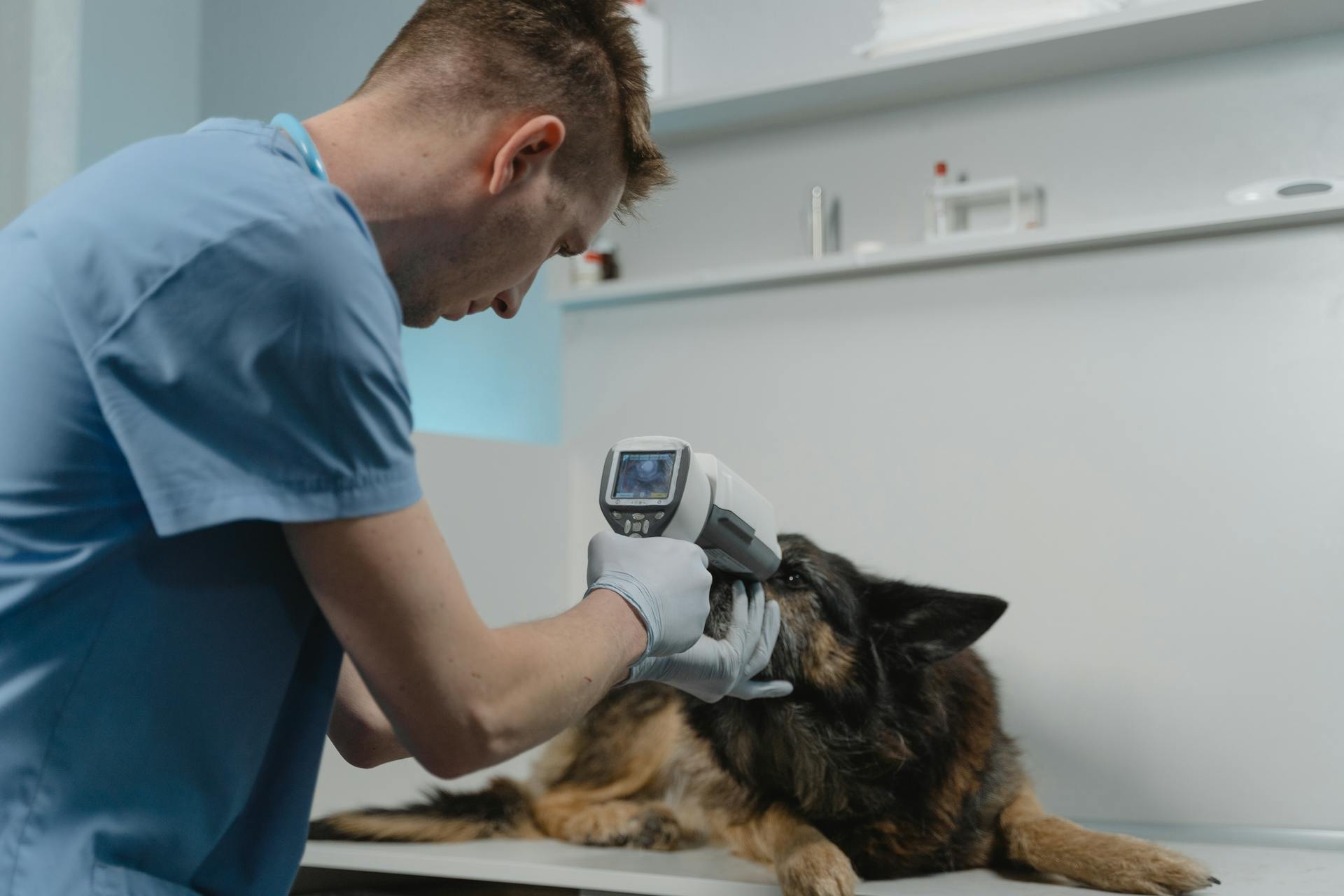
You care for your pets like family members. Their health is your priority. Nutrition and weight management are key. General veterinarians understand this. At an animal hospital Murrieta, CA, vets do more than treat illness. They guide you in feeding and exercise. You learn how to keep your pets healthy. Vets have the knowledge to create balanced diets. They help prevent obesity, ensuring your pets live longer lives. Regular check-ups offer tailored advice. You receive support through changes. This ongoing partnership strengthens your pet’s well-being. It also relieves your stress. Your vet becomes a trusted ally. You stay informed about nutritional needs. This empowers you to make better choices. Pet care can feel overwhelming. But you don’t have to do it alone. Seek guidance from experts who understand and care. This support makes a real difference. Your pets deserve that level of commitment. They rely on you.
Understanding Nutrition
Nutrition is foundational for your pet’s health. Vets teach you what your pet needs. This isn’t about trendy diets. It’s about specific nutrients. Each pet is unique. Cats and dogs have different needs. Puppies need more protein. Senior pets might need fewer calories. Vets help identify these needs. This prevents common health issues. For example, pets fed correctly avoid obesity. Obesity can lead to diabetes and joint problems.
Tracking Weight
Vets track weight changes over time. This provides valuable insight. Regular visits catch changes early. This is crucial for addressing potential problems. A steady weight indicates good health. Sudden weight changes are a red flag. You should investigate them immediately. Vets know what to look for. They ask the right questions. This ensures timely interventions.
Creating a Balanced Diet
Pets need a balance of proteins, fats, and carbohydrates. Vitamins and minerals are vital too. General vets can design a balanced diet. This diet caters to your pet’s breed, age, and activity level. Here is a simple comparison of nutritional needs:
| Category | Dogs | Cats |
| Protein | 18% minimum | 26% minimum |
| Fat | 5.5% minimum | 9% minimum |
| Carbohydrate | Varies | Minimal |
Vets also explain portion sizes. Overfeeding is a common mistake. They recommend portion sizes based on your pet’s needs. This prevents unnecessary weight gain.
Exercise and Activity
Exercise is the second pillar of health. Vets advise on appropriate activity levels. The right amount varies. Factors include age and health status. A young, energetic dog needs more exercise than an older, sedentary cat. Vets provide tailored activity plans. These plans help maintain an ideal weight. Exercise boosts your pet’s mood too. It reduces unwanted behaviors. A well-exercised pet is happier.
Establishing a Routine
Routine is comforting for pets. Vets assist in creating a feeding and exercise routine. Consistency is key. It helps regulate digestion and energy levels. Pets thrive with a predictable schedule. You see fewer behavioral problems. A routine supports mental health. Vets help establish this for you.
When to Seek Help
Knowing when to consult your vet is important. Don’t wait for visible issues. Regular check-ups are preventative. They save you stress and expense. Consult your vet if you notice changes in appetite or activity. Sudden weight gain or loss is a signal. Be proactive. Your vet is your partner in care.
Reliable Sources
For trustworthy information, consider resources like the American Veterinary Medical Association. They offer guidance based on research. Another helpful resource is the USDA’s Food and Nutrition Information Center. Access to accurate information empowers you.
In conclusion, your general vet is your ally. They provide vital support for nutrition and weight management. Their expertise ensures your pet’s well-being. Regular vet visits are an investment in your pet’s future. Prioritize these visits. Your pets deserve excellent care. You ensure they lead healthy, happy lives.