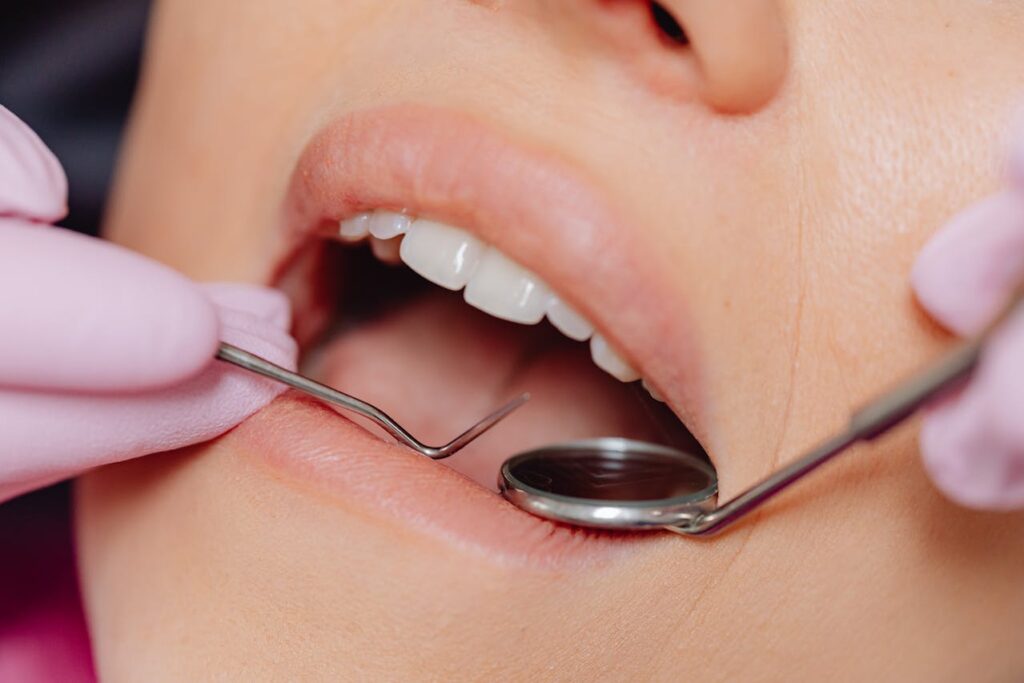

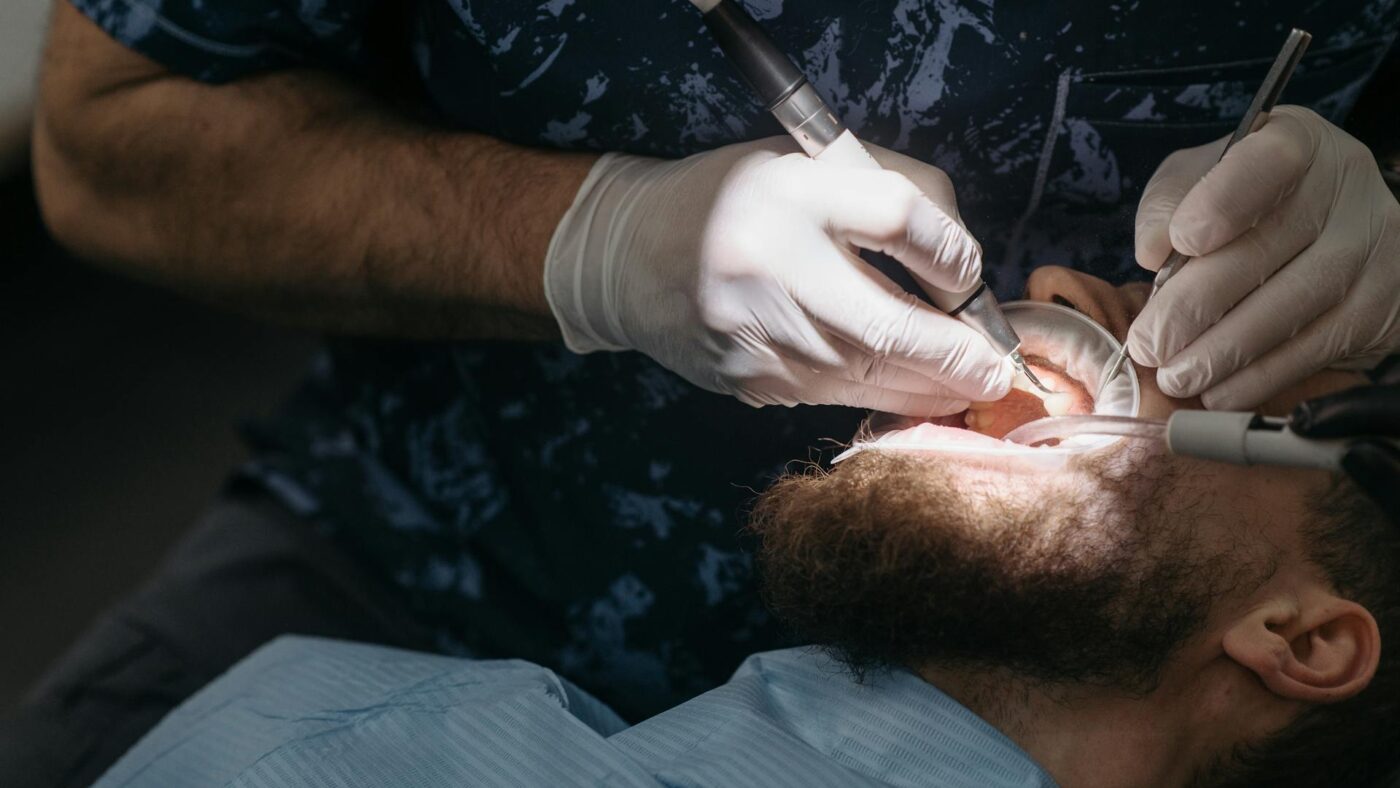
Your mouth holds more than teeth. It shapes how you eat, speak, and feel about yourself. When you skip regular general dentistry visits, small problems grow into painful damage that can follow you for years. A tiny cavity can turn into a broken tooth. Bleeding gums can turn into bone loss. Even worn or missing teeth can change your bite and strain your jaw. General dentistry stops that slow damage. You get simple checks, cleanings, and early treatment before trouble spreads. You also get clear guidance on brushing, flossing, and daily habits that protect your mouth. If you already have damage, services like crowns and bridges Warminster restore function and prevent more stress on nearby teeth. General dentistry does not wait for a crisis. It works quietly in the background, so you can eat, speak, and smile without fear of what might happen next.
Why routine checkups stop long term damage
Tooth decay and gum disease move in slow steps. You often do not feel pain until deep damage has already started. Regular checkups break that pattern. A dentist and hygienist can spot early signs that you miss at home.
During a visit, you get three core protections.
- Early spotting of decay and gum disease
- Removal of plaque and tartar that you cannot brush off
- Simple repairs before teeth crack or loosen
The National Institute of Dental and Craniofacial Research explains that early tooth decay can be reversed when caught soon through fluoride and better daily care.
How cleanings protect your gums and bone
Brushing and flossing help. Yet sticky plaque still hides between teeth and under the gumline. Over time, that film hardens into tartar. Only a professional cleaning can remove it.
Regular cleanings help you in three clear ways.
- They calm bleeding and swollen gums.
- They cut the risk of deep gum pockets and bone loss.
- They reduce bad breath that comes from trapped bacteria.
The Centers for Disease Control and Prevention notes that nearly half of adults over 30 show signs of gum disease.
Comparing early care and delayed care
The timing of care changes everything. The table below shows how a common problem can change when you act early or wait.
| Problem | If treated early | If treatment is delayed |
|---|---|---|
| Small cavity | Quick filling. Tooth stays strong. | Tooth cracks or needs root canal or removal. |
| Mild gum bleeding | Cleaning and home care stop bleeding. | Gum infection and bone loss around teeth. |
| Worn tooth from grinding | Night guard and small repair protect enamel. | Severe wear and need for crowns or extractions. |
| Missing tooth | Timely bridge or implant keeps bite stable. | Teeth shift, and jaw strain grows. |
How fillings, crowns, and bridges stop more harm
General dentistry does more than clean. It repairs and rebuilds teeth so your mouth can work well again. When a tooth has a cavity, a filling closes the hole. This blocks bacteria from entering deeper layers. When a tooth has extensive damage, a crown covers it like a shield. This lets you chew without new cracks.
If you lose a tooth, a bridge fills the space. This keeps nearby teeth from tipping or drifting. It also spreads bite pressure across more teeth. That lowers strain on your jaw and lowers the risk of new fractures.
These repairs may seem small. Yet each one stops a chain of events that would cause long-term harm.
Protecting children and teens early
General dentistry also protects children. Baby teeth hold the space for adult teeth. When decay reaches baby teeth, it can affect speech, eating, and sleep. Regular visits help you spot weak enamel and sugar habits before they cause deep decay.
Key steps for children include three actions.
- Regular cleanings and fluoride treatments
- Sealants on back teeth to block food from deep grooves
- Guidance on snacks and drinks that protect teeth
Strong habits in childhood lower the chance of cavities and gum disease in adult years. That means less pain, fewer missed school days, and lower costs for your family.
Protecting older adults and people with health limits
As you age, your mouth changes. Gums may pull back and expose roots. Medicines can dry your mouth. Arthritis or disability can make brushing and flossing harder.
General dentists adjust care to match these needs. They may suggest three supports.
- More frequent cleanings for people with gum disease
- Simple tools like larger handled brushes or floss holders
- Moisturizing products or fluoride rinses for dry mouth
This approach protects teeth and also helps you eat enough healthy food. That supports your whole body, not just your smile.
Daily steps that work with your dentist
General dentistry works best when you do your part at home. You do not need complex routines. You just need steady habits.
- Brush twice each day with fluoride toothpaste.
- Clean between teeth once each day with floss or another tool.
- Limit sugary drinks and snacks, especially between meals.
When you pair these habits with regular visits, you build a strong shield against long-term oral damage. You keep small issues small. You protect your comfort, your speech, and your confidence for many years.
Want to know about 4 Signs That Indicate It’s Time for a Preventive Dental Visit Check out our Health category.