
You often think about your family’s health history. But have you considered how it influences your oral health? Family dentists now use genetic patterns to keep your teeth and gums healthier. By tracking these patterns, they can predict potential issues like cavities or gum disease. This focus on family history helps dentists tailor their care to your unique needs. They prioritize prevention by anticipating problems before they start. Mira Mesa dental care is setting new standards by integrating this method into everyday check-ups. Knowing what to watch for keeps your smile healthy and strong. Understanding the genetic link in oral health empowers you and your dentist to act early. This approach not only saves you from discomfort but also reduces future dental costs. By recognizing these patterns, you gain insight into your oral health journey. Families benefit from this proactive care, leading to healthier, happier smiles for everyone.
Why Genetics Matter in Oral Health
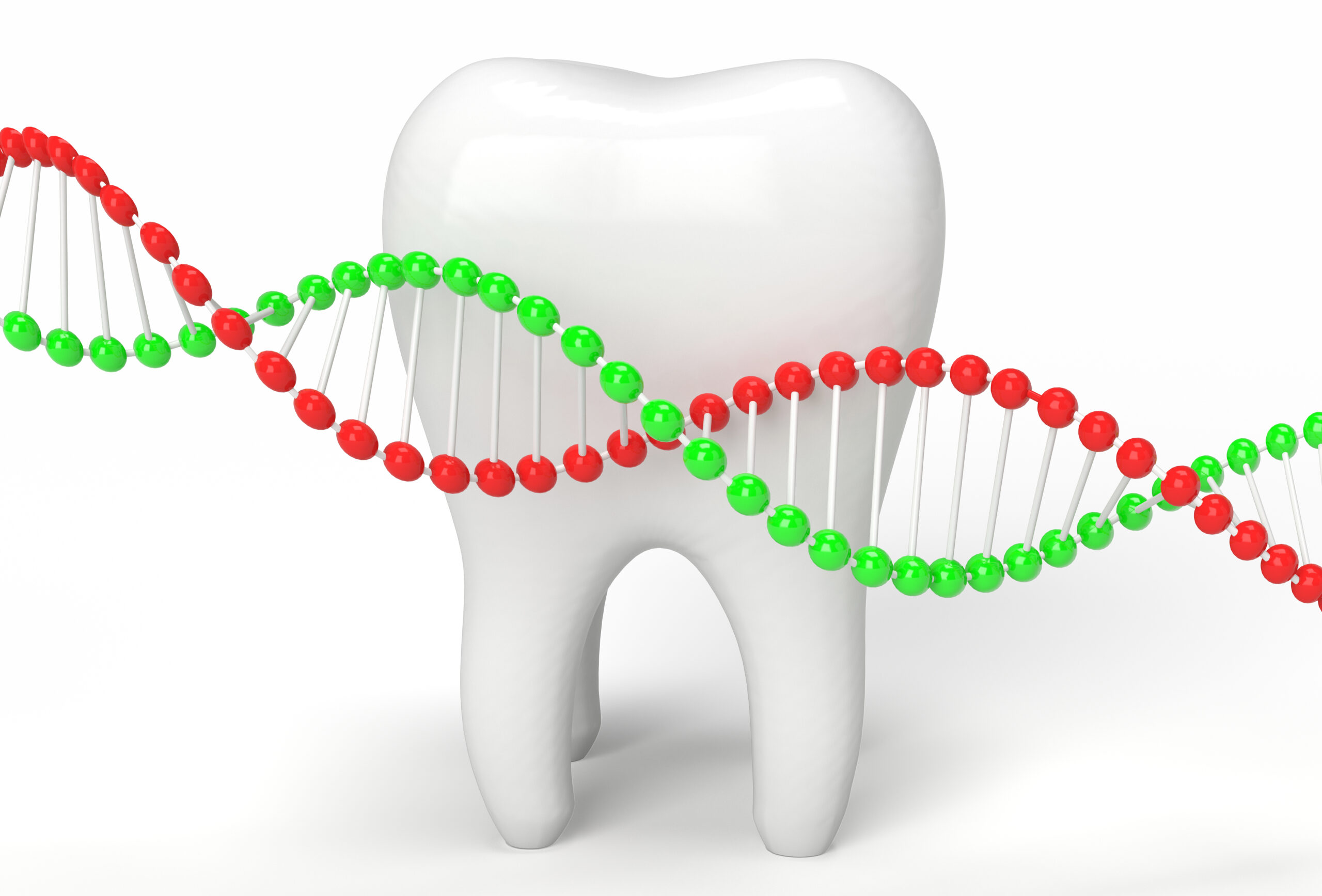
Genetics plays a crucial role in determining your risk for specific dental conditions. Genes can affect the strength of your enamel, your immune response to oral bacteria, and even the shape of your teeth. This genetic information gives insight into potential issues from an early age. When dentists understand these patterns, they can recommend personalized care plans that target your unique needs. This proactive approach allows for early interventions, reducing the risk of complex dental issues later in life. For more detailed information on genetics and oral health, you can look into resources from the National Institute of Dental and Craniofacial Research.
The Role of Family History
Family dentists often start by asking about your family’s dental history. Did your parents have frequent cavities? Is gum disease common among your relatives? These questions help identify patterns that might put you at risk. When shared with your dentist, this information guides screening and preventive measures. For example, if a pattern of gum disease runs in your family, your dentist might suggest more frequent cleanings or specific oral hygiene tips to mitigate risk.
Common Genetic Oral Health Issues
| Condition | Genetic Influence | Preventive Measures |
|---|---|---|
| Cavities (Dental Caries) | Enamel Strength, Saliva Composition | Fluoride Treatments, Dietary Changes |
| Gum Disease (Periodontitis) | Immune Response, Bacterial Composition | Regular Check-Ups, Specialized Cleanings |
| Malocclusion (Misaligned Teeth) | Jaw Size, Tooth Shape | Orthodontic Evaluation, Early Intervention |
How Dentists Use Genetic Information
Dentists incorporate genetic information in several ways. First, they use it to assess your risk for specific conditions. This allows them to create a more effective treatment plan. For instance, if your genes suggest a high risk for gum disease, they might prioritize preventive cleanings and check-ups. Secondly, they adjust their recommendations for home care. You might receive advice on specific oral care products that are better suited for your genetic profile. You can explore further details on this approach from the American Dental Association.
Benefits of a Personalized Approach
Personalized dental care offers several benefits. It improves the effectiveness of treatments and boosts overall oral health. By focusing on prevention, you reduce the need for costly procedures. Personalized care also enhances patient engagement. When you understand your unique risks, you’re more likely to follow through with a care plan. This leads to better outcomes and healthier smiles for everyone in your family.
The Future of Genetic Dentistry
Genetic dentistry is still evolving. However, its potential benefits are immense. As research progresses, we will see more tailored treatments and preventive measures. This ongoing advancement ensures families can maintain better oral health with less effort and expense.
In conclusion, understanding and tracking genetic patterns in oral health empowers both you and your dentist. By using family history and genetic data, dental care specialists are setting new standards for personalized and preventive care. This approach not only enhances your smile but also ensures long-term health for your whole family.