
Key Takeaways:
- Enhance your horse’s agility and coordination with cavaletti exercises.
- Learn how to integrate cavaletti into your training regimen.
- Discover tips for ensuring safety and effectiveness during cavaletti work.
Introduction to Cavaletti
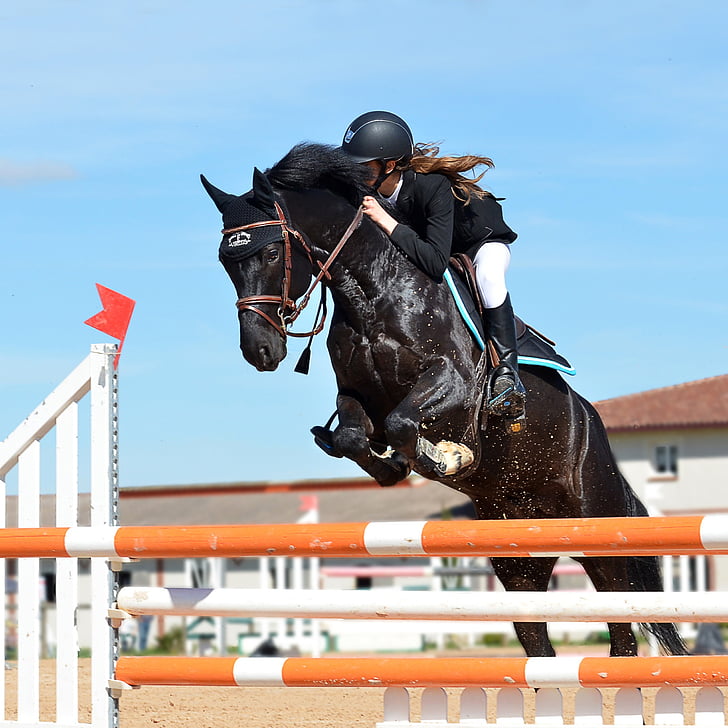
Few tools are as versatile and effective in equestrian training as cavaletti. These low-impact equipment pieces are designed to aid in developing a horse’s agility and coordination. Often utilized in cavaletti horse jumps, these exercises enhance a horse’s movement without the added strain of high jumps. Cavaletti exercises can be traced back to classical riding schools in Europe, where their importance was first recognized. Today, they are integral to training regimens across various disciplines, helping riders and horses build mutual trust and communication. As horses navigate the series of obstacles, they are mentally engaged, and the repetitive motions help them memorize patterns, which can also be beneficial in competition scenarios. This engagement not only improves physical agility but also encourages mental sharpness.
Benefits of Cavaletti Training
Cavaletti’s work offers a bevy of benefits. First, it bolsters a horse’s muscle strength, especially in the core and hindquarters, fostering better balance and control. Enhanced coordination and rhythm are additional perks, translating into more graceful and efficient movements on the track or in the arena. It can be particularly advantageous when transitioning to more challenging jumps or dressage movements, where precision and elegance are paramount. The use of cavaletti is not limited to physical gains. This training method enriches a horse’s mental acuity, demanding focus and responsiveness, particularly when combined with varied patterns and sequences. Improvements in these areas can aid horses in being more responsive partners to their riders. Additionally, these exercises are low-impact, reducing the risk of joint stress or soreness associated with more intensive workouts.
Setting Up Cavaletti Exercises
Establishing accurate cavaletti configurations is crucial for deriving benefits from these exercises. The setup can vary based on the training focus—stride length, speed control, or smooth gait. Riders should consider their horses’ specific goals and abilities when setting up these exercises to ensure constructive practices.
It is recommended to begin with ground-level poles, gradually elevating them as the horse and rider become comfortable. Always ensure the equipment is stable to prevent shifting during the exercise, which could pose a safety hazard. Consider starting with spaced poles to develop stride before introducing variations like spaced poles with gentle slopes, enhancing fine motor skill development and cognitive decision-making for the horse.
Integrating Cavaletti into Your Routine
Introductions to cavaletti work should be gradual, respecting the horse’s fitness levels and experience. It’s essential to start with simple patterns, paying close attention to the horse’s reactions and adjusting accordingly. When seamlessly woven into a regular training schedule, cavaletti exercises can yield remarkable improvements. Consider alternating between cavaletti exercises and other training activities. This variety keeps the routine engaging for the horse and addresses different physical and mental faculties, enhancing overall development. Diversifying the exercises helps prevent training fatigue and stimulates the horse’s natural problem-solving skills, which are invaluable when facing new environments or obstacles in competitive settings.
Common Mistakes and How to Avoid Them
Mistakes in cavaletti training can undermine its benefits. Improper pole spacing is a frequent error, leading to discomfort or even injury. Always measure distances thoroughly, adjusting based on the horse’s stride and size. Another pitfall is overcomplicating exercises too quickly; horses need time to adapt to new challenges. Common training errors can be mitigated by patience and observation. Also, ignoring signs of fatigue or stress in your horse could lead to serious issues. Keeping a timetable that permits relaxation and recovery is crucial, ensuring that progress doesn’t come at the cost of the horse’s well-being. Engage constantly with equestrian professionals to tailor exercises effectively to your horse’s capabilities and condition.
Safety Tips for Cavaletti Training
Adhering to safety protocols is of the utmost importance during any training exercise. Ensure that all equipment is in good condition and regularly check for wear and tear. Supervised lessons for beginners are advised to prevent missteps. Always pay attention to the horse’s health, observing any indications of discomfort or tiredness and responding quickly. Consider having a second set of eyes for advanced exercises to observe and provide feedback. This can be invaluable for trainee riders to ensure exercises aren’t just performed correctly but also enhance the horse’s efficiency and comfort. Also, keeping a well-stocked first aid kit nearby can be a prudent measure, ready for tackling any immediate issues during training sessions.
Assessing Progress and Adjusting Training
Monitoring progress is vital for continued growth. Pay attention to the horse’s balance, agility, and rhythm improvements. Successful training outcomes manifest as enhanced coordination and confidence during cavaletti work. Adjust training intensity based on performance, reinforcing strengths and addressing any weaknesses observed. Regular evaluations and feedback are essential for keeping both rider and horse motivated. Recording sessions or maintaining a log of progress can be beneficial, facilitating clarity in areas needing improvement and celebrating milestones. This systematic approach ensures that the horse improves physically and develops a stronger bond with the rider through mutual understanding and adjusted strategies.
Concluding Thoughts on Cavaletti Training
Cavaletti training is an invaluable component of equestrian practices, offering many benefits in both physical and mental arenas. A well-thought-out approach to integrating these exercises into regular training routines can elevate a horse’s performance, all while maintaining safety and promoting rider-horse harmony.
Incorporating thoughtful planning, patience, and regular assessments can lead to outstanding advancements in equestrian pursuits. By understanding the unique interplay between various exercise setups and the individual characteristics of each horse, riders can unlock new levels of trust and proficiency on their equestrian journey.
Apart from that please visit our sports Category.