

Forearm Workouts
Forearm workouts are an essential yet often overlooked part of a comprehensive fitness routine. Strong forearms not only enhance grip strength but also improve overall lifting performance, support functional movements, and reduce the risk of injuries such as tendonitis or wrist strains.
Whether you are training at the gym or at home, incorporating targeted forearm workouts using dumbbells, cables, machines, and specialized tools can lead to balanced muscle development, increased endurance, and a more defined appearance. This guide explores effective exercises, techniques, and equipment to help you build stronger, more resilient forearms for maximum performance and everyday functionality.
| Category | Focus/Purpose | Key Exercises/Tools | Tips |
| Forearm Anatomy | Understand muscles to target | Flexors, Extensors, Brachioradialis | Train all compartments for balanced development |
| Benefits | Grip strength, performance, and injury prevention | Improves lifting, functional fitness, and appearance | Consistent training enhances results |
| Dumbbell | Flexor & extensor strength, brachioradialis | Wrist Curls, Reverse Wrist Curls, Hammer Curls, Zottman Curls | Start light, 3–4 sets, slow controlled reps |
| Cable | Constant tension, forearm activation | Cable Wrist Curls, Reverse Cable Wrist Curls, Cable Reverse Grip Pulls, Rope Hammer Curls | Adjust weight and do slow reps for maximum engagement |
| Machine | Guided movement, beginner-friendly | Wrist Curl Machines, Hammer Strength Arm Machines, Grip Strength Machines | Moderate weight, higher reps, slow contractions |
| At-Home Forearm Workouts | Minimal equipment, functional strength | Farmer’s Walk, Towel Pull-Ups, Rice Bucket Training, Reverse Curls with Bands | Combine tools, focus on grip endurance |
| Essential Tools | Enhance strength, activate muscles | Grip Trainers/Hand Grippers, Wrist Rollers, Fat Grip Attachments, Pull-Up Bars/TRX Straps | Use for variety and progressive overload |
| Programming Forearm Workouts | Optimize growth and balance | Frequency: 2–3x/week, 3–4 sets, 12–20 reps | Mix equipment and exercises for full coverage |
| Common Mistakes | Avoid injury and imbalances | Overtraining, momentum use, ignoring extensors, and neglecting grip | Focus on form, recovery, and balanced development |
| Recovery & Stretching | Muscle repair reduces injury | Forearm stretches, foam rolling, rest days, nutrition | Include after every session |
| Sample Routine | Balanced gym/home program | Wrist Curls, Reverse Wrist Curls, Hammer Curls, Wrist Roller, Farmer’s Walk, Grip Trainer Holds | Follow sets/reps for strength and endurance |
Anatomy of the Forearm

Understanding forearm anatomy is key to targeting the right muscles effectively. The forearm is divided into two main compartments:
- Flexor muscles: Located on the inner side of the forearm, responsible for flexing the wrist and fingers.
- Extensor muscles: Located on the outer side, responsible for extending the wrist and fingers.
- Brachioradialis: Runs along the top of the forearm and is heavily involved in gripping and pulling motions.
By training all these muscles, you achieve balanced forearm strength, improved grip endurance, and enhanced aesthetic definition.
Benefits of Forearm Workouts
Training your forearms offers more than just aesthetic appeal. The key benefits include:
- Improved grip strength: Essential for deadlifts, pull-ups, and everyday lifting.
- Enhanced lifting performance: Strong forearms contribute to overall arm strength and endurance.
- Injury prevention: Reduces the likelihood of wrist, tendon, and elbow injuries.
- Better functional fitness: Daily activities such as carrying groceries or opening jars become easier.
- Balanced appearance: Strong forearms improve the symmetry and muscular definition of the arms.
Forearm Workouts with Dumbbells
Dumbbells are an exceptionally versatile tool for forearm workouts, allowing you to target both the flexor and extensor muscles effectively. They are suitable for use in gym settings as well as at-home routines, providing a controlled and efficient way to build forearm strength, endurance, and muscle definition.
Wrist Curls for Forearm Workouts
Wrist curls are a fundamental exercise for forearm workouts. To perform them, sit with your forearms resting on your thighs, palms facing upward, and curl the dumbbell using only your wrists. This movement focuses on the forearm flexors and helps improve grip strength while sculpting the muscle.
Reverse Wrist Curls for Extensor Strength
Reverse wrist curls target the forearm extensor muscles, balancing the development of your forearm. Perform this exercise with palms facing down, curling the dumbbell upward while keeping the forearm stable. This ensures that the extensors are engaged fully, enhancing both strength and appearance.
Hammer Curls
Hammer curls are a key addition to any forearm workout, as they specifically strengthen the brachioradialis muscle. Grip the dumbbells with your thumbs pointing upward and curl the weights toward your shoulders. This neutral grip not only builds forearm size but also contributes to stronger, more functional grip strength.
Zottman Curls
Zottman curls combine the benefits of traditional curls and reverse curls, making them ideal for comprehensive forearm workouts. Curl the dumbbell upward with palms facing up, rotate the wrists to face down at the top, and lower the weight slowly. This technique maximizes engagement of both the flexor and extensor muscles, promoting balanced forearm development.
Cable Forearm Workouts
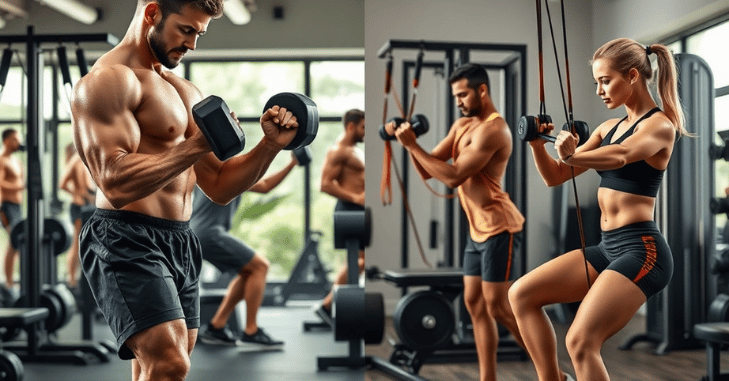
Cables allow constant tension throughout the motion, which is excellent for forearm activation.
Popular Cable Exercises
- Cable Wrist Curls: Attach a handle to the low pulley, and curl your wrist upward while keeping the forearm stable.
- Reverse Cable Wrist Curls: Same setup, but palms face downward to target extensors.
- Cable Reverse Grip Pulls: Use a straight bar with a reverse grip to enhance brachioradialis and grip strength.
- Rope Hammer Curls: Using a rope attachment, curl while keeping elbows tight to work forearms and brachialis.
Tips
- Adjust the weight for a full range of motion without compromising control.
- Use slower reps to maximize tension on forearm muscles.
Machine Forearm Workouts
Machines offer guided movement, making them ideal for beginners or for targeting specific muscles during forearm workouts. Effective machine exercises for forearm workouts include wrist curl machines, which provide focused isolation for both flexors and extensors, and Hammer Strength arm machines, which engage the forearms and biceps within a controlled range of motion.
Grip strength machines are also excellent for improving overall forearm endurance and enhancing hand strength. When performing these forearm workouts, it’s important to use moderate weight with higher repetitions to prevent joint strain and to focus on slow, controlled contractions to maximize muscle engagement and development.
At-Home Forearm Workouts
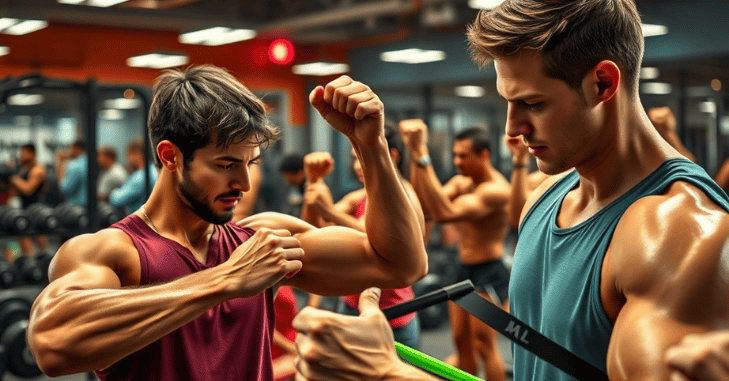
At-Home Equipment
- Dumbbells or kettlebells
- Resistance bands
- Grip trainers or stress balls
- Household items (water bottles, books, or towels)
Effective At-Home Exercises
- Farmer’s Walk: Hold heavy objects in each hand and walk for distance or time.
- Towel Pull-Ups: Wrap a towel over a pull-up bar and grip the ends to increase grip difficulty.
- Rice Bucket Training: Digging and twisting hands in a bucket of rice to strengthen fingers and forearms.
- Reverse Curls with Resistance Bands: Mimic reverse curls using bands to engage extensors.
Tips
- Focus on grip endurance with timed holds and slow repetitions.
- Combine multiple tools for variety and balanced forearm development.
Essential Tools for Forearm Training
| Forearm Workout Tool | Purpose / Benefit |
| Grip Trainers/Hand Grippers | Improve crushing strength and endurance |
| Wrist Rollers | Roll weight up and down to strengthen both flexors and extensors |
| Fat Grip Attachments | Increase grip size and activate more forearm fibers during presses or curls |
| Pull-Up Bars / TRX Straps | Versatile for hanging exercises and wrist flexion/extension work |
Programming Your Forearm Workouts
To optimize forearm growth, consistency and variety are key:
- Frequency: Train forearms 2–3 times per week with at least 48 hours of rest in between.
- Volume: 3–4 sets per exercise, 12–20 reps for endurance, and 8–12 reps for strength.
- Progressive Overload: Gradually increase weight or resistance for continuous growth.
- Variety: Mix dumbbells, cables, machines, and bodyweight exercises to hit all forearm muscles.
Common Mistakes to Avoid
When training forearms, it’s important to avoid common pitfalls to ensure effective and safe results. Overtraining can lead to tendon injuries since the forearms are engaged in many lifts throughout a workout.
Using momentum, such as swinging weights, reduces the effectiveness of exercises and increases the risk of injury. Ignoring the extensors and focusing only on the flexors can create muscle imbalances and lead to wrist problems.
Additionally, neglecting grip strength can limit overall forearm development, as endurance and strength in the hands are crucial for maximizing gains in forearm workouts.
Recovery and Stretching
Proper recovery enhances muscle growth and reduces injury risk:
- Forearm Stretches: Stretch flexors and extensors after each session.
- Massage/Foam Rolling: Helps relieve tightness and improve blood flow.
- Rest Days: Essential for repair and hypertrophy.
- Nutrition: Adequate protein and hydration support muscle recovery.
Sample Forearm Workout Routine
Here’s a balanced routine for both gym and home
- Wrist Curls (Dumbbells) – 3 sets of 15 reps
- Reverse Wrist Curls (Dumbbells or Cable)—3 sets of 15 reps
- Hammer Curls – 3 sets of 12 reps
- Wrist Roller – 3 sets up and down
- Farmer’s Walk – 3 rounds, 30–60 seconds
- Grip Trainer Holds – 3 sets, hold for maximum time
Conclusion
Forearm workouts are a vital component of any comprehensive strength training program. They not only enhance grip strength and arm performance but also improve functional fitness, injury prevention, and overall muscular balance.
Whether performed at the gym using dumbbells, cables, and machines, or at home with minimal equipment like resistance bands, grip trainers, or household items, consistent forearm workouts yield noticeable improvements in strength, endurance, and appearance.
By incorporating proper technique, progressive overload, and specialized tools such as wrist rollers and fat grip attachments, individuals can maximize gains and achieve well-rounded forearm development that supports both athletic performance and everyday activities.
Want to know about How to Lose Face Fat? Guide to Reddit Tips to Lose Fat in a Week, Fast, Instantly, Faster, and in One Month Check out our Health category.
FAQs
Carrying out forearm-focused exercises, including farmer walks, wrist curls, reverse wrist curls, and towel pull-ups.
King Lee Priest forearms.
Forearms can be trained daily with light mobility or endurance exercises, but heavy strength and muscular growth require recuperation.
The wrist flexor muscles, which are located in the front of the forearm, can be strengthened using weight training exercises like the wrist curl.

