


Fastest Car In The World
In the world of automotive engineering, the pursuit of building the fastest car has driven innovation for over a century. From early land speed records to today’s hypercars, manufacturers continue to push boundaries of aerodynamics, engine performance, lightweight materials, and digital technology.
In the realm of automotive engineering, Speed reigns supreme. The pursuit of creating the world’s fastest car has driven innovation, challenged engineering limits, and captured the imagination of car enthusiasts worldwide.
This article examines the fastest production cars ever built, the top speed records they have shattered, the engineering principles that enable extreme speeds, and the future of high-velocity machines—all within the context of the Fastest Car in the World.
| Section | Key Focus |
| Introduction | Overview of automotive speed evolution |
| History | Early land speed records and hypercar evolution |
| Current Fastest Cars | Profiles of top high-speed models |
| Comparison Table | Specs of leading hypercars |
| Engineering Breakthroughs | Aerodynamics, engines, materials |
| Technology | AI, hybrid systems, simulations |
| Testing & Verification | Standards, tracks, safety |
| Future | Electric, hydrogen, 500+ mph potential |
| Conclusion | Summary of innovation and ambition |
The Quest for Speed: A Brief History

The quest for Speed in automobiles dates back to the late 19th century when the first gasoline-powered vehicles hit the roads. The early 1900s saw the rise of speed records, with cars like the 1906 Vauxhall 25-hp ‘Prince Henry’ and the 1914 Blitzen Benz setting the stage for what would become a fierce competition.
Milestones in Speed Records
- 1910s: The Blitzen Benz reached a remarkable speed of 142.6 mph (229.5 km/h).
- 1960s: The Ford GT40 and Ferrari 330 P4 battled it out on the racetrack, showcasing the importance of aerodynamics and engine power.
- 1970s: The world saw the rise of the Can-Am series, which pushed the boundaries of automotive Speed.
Current Fastest Cars in the World
Modern hypercars blend extreme power with advanced aerodynamics and precision engineering. The following manufacturers lead the race:
1. Bugatti Chiron Super Sport 300+
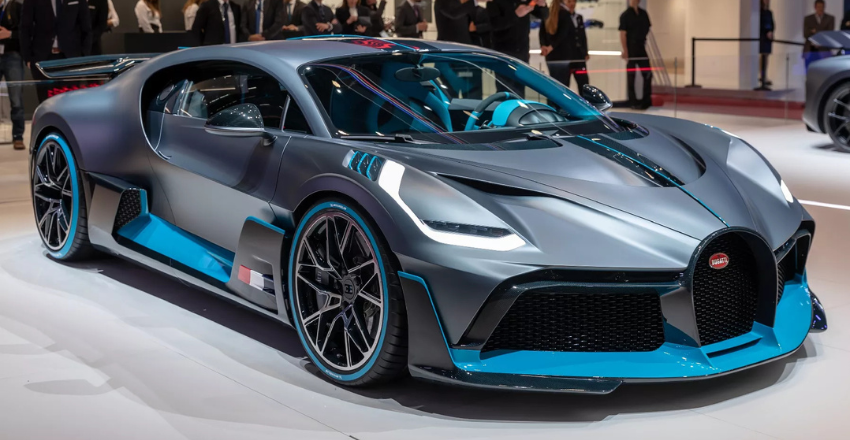
In 2019, Bugatti made headlines when a modified Chiron Super Sport 300+ reached 304.77 mph. Its quad-turbo 8.0-liter W16 engine produces nearly 1,600 horsepower, and its elongated tail design reduces drag.
2. SSC Tuatara
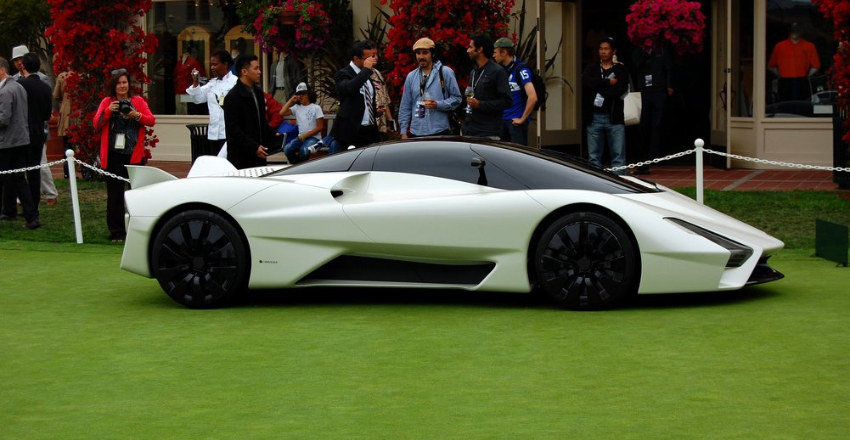
The SSC Tuatara captured global attention when it reportedly reached speeds above 300 mph, with verified top speeds exceeding 282 mph in later runs. It utilizes a twin-turbo 5.9-liter V8, capable of producing over 1,750 horsepower on E85 fuel.
3. Koenigsegg Jesko Absolut
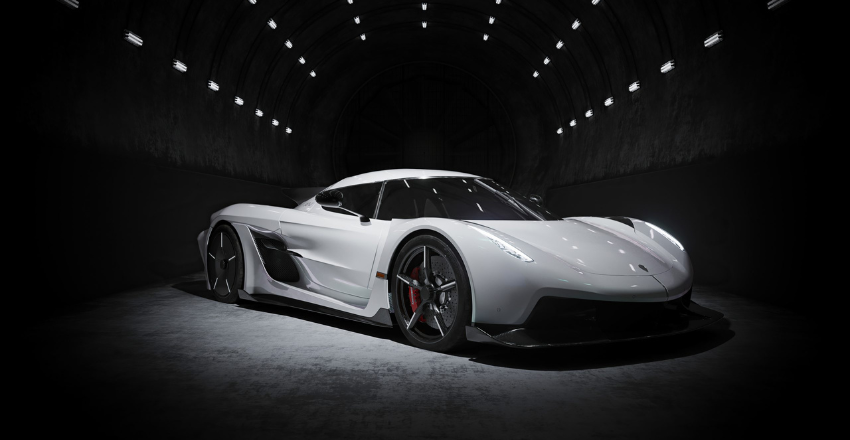
Koenigsegg engineered the Jesko Absolut specifically to break speed records. With an advanced twin-turbo V8 producing up to 1,600 hp and aerodynamic refinements, it aims to achieve speeds exceeding 310 mph.
4. Hennessey Venom F5
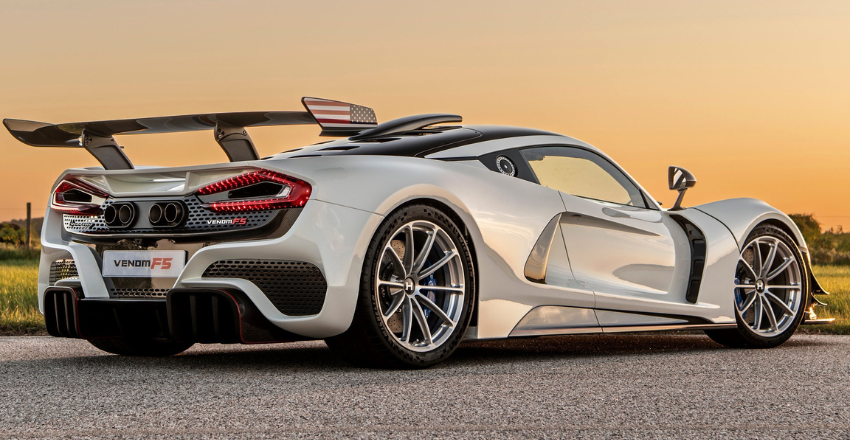
The Hennessey Venom F5 aims to exceed 300 mph, powered by a 6.6-liter twin-turbo V8 that produces 1,817 horsepower. Its ultralight carbon fiber chassis keeps weight to a minimum.
5. Rimac Nevera (Electric Contender)
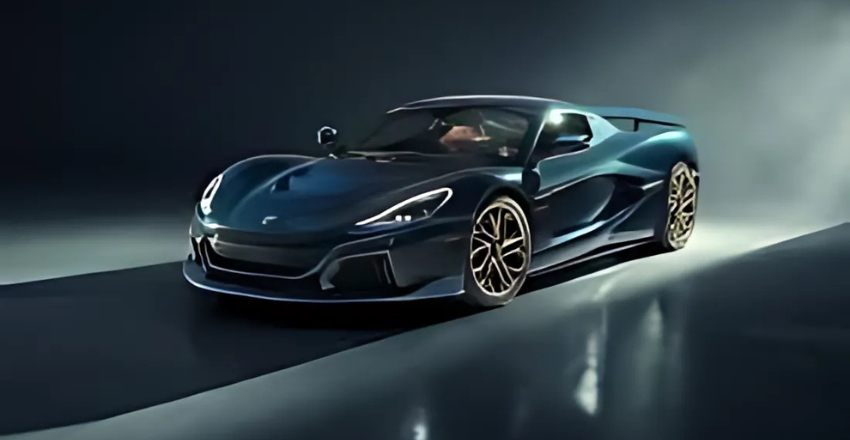
While electric vehicles are not typically associated with top speed records, the Rimac Nevera proves otherwise. This all-electric hypercar reaches a top speed of 258 mph, showcasing the potential of future electric speed machines.
Comparison Table: Leading Hypercars
Below is a simplified comparison of some of the fastest production hypercars:
| Model | Top Speed (mph) | Horsepower | Engine Type | 0-60 mph | Year |
| Bugatti Chiron SS 300+ | 304.77 (record) | ~1,600 | 8.0L Quad-Turbo W16 | ~2.3 s | 2019 |
| SSC Tuatara | 282+ (verified) | 1,750+ | 5.9L Twin-Turbo V8 (E85) | ~2.5 s | 2020 |
| Koenigsegg Jesko Absolut | 300+ (projected) | 1,600 | 5.0L Twin-Turbo V8 | ~2.6 s | 2023 |
| Hennessey Venom F5 | 300+ (projected) | 1,817 | 6.6L Twin-Turbo V8 | ~2.6 s | 2022 |
| Rimac Nevera | 258 | 1,914 | Quad-Electric Motor System | ~1.9 s | 2022 |
Engineering Breakthroughs Behind Extreme Speed
Achieving speeds over 250 mph requires innovation in multiple engineering disciplines:
Aerodynamics
Designers utilize wind tunnel testing, computational fluid dynamics (CFD), and active aerodynamic elements to minimize drag and enhance downforce. Features like elongated tails, diffusers, and adjustable wings help maintain stability at high speeds.
Engine Power and Drivetrain
High-displacement engines, turbocharging, and hybrid-electric systems allow hypercars to produce more than 1,500 horsepower. Advanced transmissions, including multi-clutch systems, ensure seamless power delivery.
Lightweight Materials
Modern hypercars utilize carbon fiber monocoques, titanium components, and aluminum alloys to minimize weight. A lighter vehicle accelerates faster, brakes more effectively, and handles high speeds more efficiently.
Cooling and Thermal Management
Cooling systems manage the intense heat generated by powerful engines. Specialized radiators, intercoolers, and air intakes maintain optimal performance.
Technology Enabling High-Speed Performance
- Vehicles like the Chiron Super Sport and Jesko Absolut utilize adjustable wings, ride height control, and movable flaps to optimize airflow.
- Electronic stability control, advanced traction management, and AI-driven sensors provide stability and safety at extreme speeds.
- Electric motors deliver instant torque and support internal combustion engines for faster acceleration.
- Some manufacturers are exploring all-electric hypercars for future speed records.
- Before producing prototypes, manufacturers use simulation tools and digital modeling to refine designs.
- Computational Fluid Dynamics (CFD) and high-performance computing reduce the need for physical testing.
The Future of High-Speed Machines
The quest for Speed continues into the next generation of hypercars, with manufacturers investing heavily in innovative technologies. Electric and hybrid hypercars are at the forefront, featuring next-generation batteries, lightweight motors, and regenerative systems designed to surpass current performance limits.
Additionally, some developers are exploring hydrogen concepts, with a focus on hydrogen combustion and fuel cell powertrains for high-speed applications. While the idea of reaching 500 mph in a production-based car may seem ambitious, advancements in design concepts, cutting-edge materials, and aerodynamic breakthroughs could make this once-unthinkable milestone possible.
Testing, Verification, and Track Conditions
Speed records require ideal conditions and strict validation methods:
Verification Standards
Organizations such as Guinness World Records and engineering authorities require GPS verification, multi-directional runs, and official witnesses to confirm claims.
Track Locations
Popular testing sites include Volkswagen’s Ehra-Lessien track in Germany, NASA’s landing strips, and the Nevada desert highways used by SSC and Hennessey.
Safety Protocols
Extreme-speed testing demands specialized tires, emergency crews, and controlled environments to ensure driver safety.
Conclusion
The title of “fastest car in the world” is more than a headline—it represents human ambition, engineering mastery, and the relentless pursuit of Speed. From the Bugatti Chiron Super Sport 300+ to the Koenigsegg Jesko Absolut and future electric contenders, each record-breaking machine showcases astonishing innovation. As technology evolves, the boundaries of top Speed will continue to be challenged, ensuring that the quest for Earth’s quickest machines remains a symbol of progress and possibility.
Want to know about 2012 Nissan Leaf: Features, Performance, Battery Life, Tech Specs, Ride Check out our Automobile category.
FAQs
Manufacturers utilize advanced technologies, including active aerodynamics, lightweight materials, hybrid powertrains, and sophisticated simulation tools, to optimize performance and stability at extreme speeds.
Aerodynamics plays a crucial role in reducing drag and enhancing stability. Cars designed with streamlined shapes and active aerodynamic features can navigate air currents more effectively, allowing for higher speeds.
Yes, electric hypercars are increasingly competitive due to their instant torque and advanced battery technologies, which provide rapid acceleration and high performance.
Future hypercars are exploring innovations such as next-generation batteries, hydrogen combustion and fuel cell technologies, and designs aimed at achieving speeds over 500 mph.