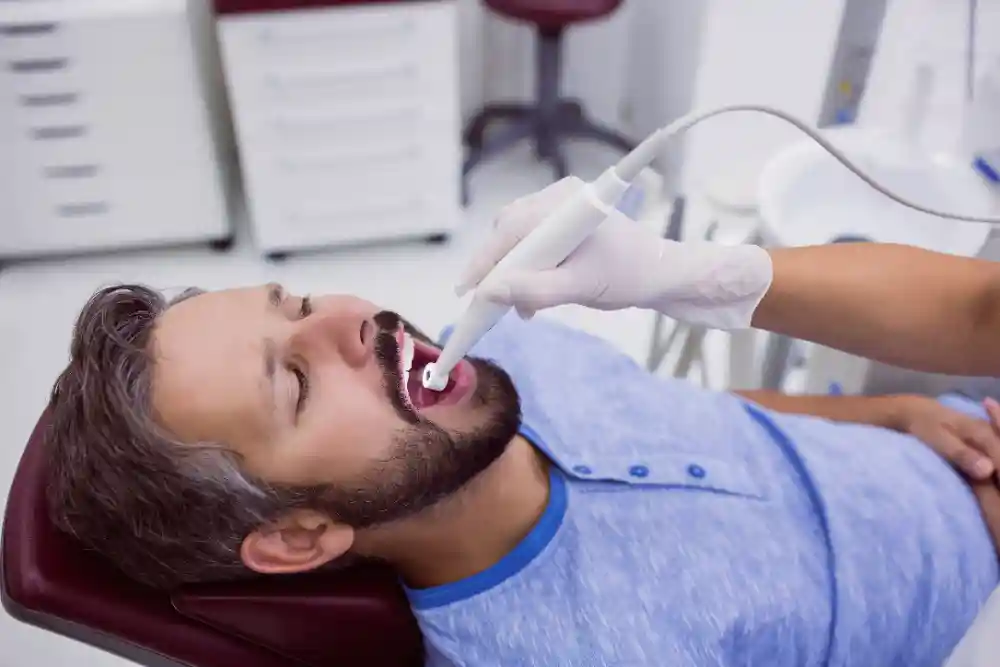


Taking care of your teeth is important for a healthy smile. You can keep your mouth in good shape with regular dental visits. These check-ups usually include cleanings, exams, and sometimes fillings. Cleanings help remove plaque and tartar that brushing alone might miss. Exams let a Fresno dentist spot any problems early, which can save you from pain and more complicated procedures. If you need a filling, it means your dentist found a cavity. Fillings protect your tooth from further damage. By staying on top of these routine care steps, you can catch issues early and avoid discomfort. Understanding these basic steps can ease any fears and help you feel more in control of your dental health. Remember, a healthy mouth can lead to a healthier life. Take this simple step to keep smiling brightly.
The Basics of Dental Fillings
Dental fillings are a common treatment for cavities. When you get a cavity, it means your tooth has decayed. Fillings stop that decay from spreading. During the procedure, your dentist removes the decayed part and fills the space with a safe material. This process restores the tooth’s function and shape. Dental fillings aren’t just for cavities. They also repair cracked or broken teeth, as well as teeth worn down from nail-biting or grinding. You might also like Ex Post Facto Laws.
Why Cleanings Matter
Regular cleanings are a cornerstone of dental health. Even with good brushing and flossing habits, plaque can build up. If left unchecked, this plaque turns into tartar, a hard mineral deposit that only a professional can remove. Tartar can lead to gum disease, an inflammation of the gums that can eventually affect the bone supporting your teeth. By getting cleanings, you reduce the risk of gum disease and keep your teeth strong.
The Importance of Dental Exams
Dental exams are another key part of your dental care routine. During an exam, your dentist looks for signs of tooth decay, gum disease, and other oral issues. Catching these problems early can mean simpler treatments and less discomfort. Your dentist may also take X-rays to see below the surface, ensuring no issues are hiding from the naked eye. Regular exams can lead to a healthier mouth and reduce the risk of tooth loss.
| Procedure | Purpose | Frequency |
| Dental Fillings | Repair cavities and prevent decay | As needed |
| Cleanings | Remove plaque and tartar | Every 6 months |
| Dental Exams | Detect oral issues early | Every 6 months |
Understanding Dental Care Costs
Dental care can seem expensive, but neglecting it can lead to higher costs in the long run. Preventive care like cleanings and exams can save money by catching problems early. Many dental insurance plans cover these preventive services. Check with your insurance provider to understand what is covered. For those without insurance, some clinics offer sliding scale fees based on income. The National Institute of Dental and Craniofacial Research provides resources to help find affordable care.
Small Changes for Better Oral Health
Maintaining a healthy mouth doesn’t have to be hard. Simple daily routines like brushing twice a day with fluoride toothpaste and flossing once can make a big difference. Eating a balanced diet and avoiding sugary snacks helps prevent cavities. Drinking water instead of soda or juice can also keep your teeth in good condition. By making small changes, you can improve your oral health and keep your smile bright.
Final Thoughts
Dental care might seem routine, but it’s a crucial part of your overall health. Cleanings, exams, and fillings play vital roles in keeping your mouth healthy. With regular visits and a good daily oral hygiene routine, you can enjoy a healthy smile for years. Understanding and participating in your dental care means fewer surprises and a happier, healthier you. Schedule your next dental visit today and take a step towards better oral health.