


Introduction
Basement concrete floors often endure a great deal of wear and tear due to exposure to moisture, heavy foot traffic, and the occasional spill or stain. Over time, this can cause the floor to look worn, damaged, or unattractive. However, with the right basement concrete floor paint, you can not only revitalize the appearance of your basement but also provide a protective layer that extends the life of the concrete.
Whether you’re looking to create a more visually appealing space, prevent moisture damage, or simply make the floor easier to clean, applying paint can significantly improve both functionality and aesthetics. The process requires careful preparation, choosing the right paint, and applying it properly to ensure that the floor not only looks good but also stands up to the challenges of a basement environment.
With various types of paints available, such as epoxy, acrylic, and latex, it’s important to consider factors like moisture levels, traffic, and desired finish when selecting the ideal paint for your space. In this article, we’ll explore the benefits, types of paint, preparation steps, and techniques to help you achieve a durable and beautiful basement floor.
| Section | Details |
| Basement Concrete Floor Paint | Basement concrete floors endure moisture, heavy traffic, and wear. With proper paint, you can improve both function and aesthetics while protecting the floor. |
| Key Features | Moisture protection, improved appearance, dust control, stain resistance, enhanced durability. |
| Types of Paint | Epoxy Paint Acrylic Paint Latex Paint Polyurethane Coating |
| How to Choose the Right Paint | Consider moisture levels, traffic, finish type, and desired design effects. Epoxy is ideal for moisture-prone, high-traffic areas. |
| Preparation | Key steps: Inspect/repair cracks, clean, etch the surface, and test moisture before applying paint. |
| How to Paint | Steps: Prime surface, apply coats, optional topcoat, allow curing time (3-5 days). |
| Design Ideas | Solid colors, stencils, two-tone designs, faux finishes, textured additives for safety. |
| Maintenance Tips | Regular sweeping, gentle mopping, touch-ups for chips, avoid dragging furniture. |
| Common Mistakes | Skipping surface prep, painting over moisture, using incorrect paint, applying too thick, rushing curing time. |
Basement Concrete Floor Paint
Basement concrete floor paint is a practical and aesthetic solution for transforming your basement into a more functional and visually appealing space. Concrete floors in basements are often exposed to moisture, heavy foot traffic, and the wear and tear of everyday use, making them susceptible to stains, cracks, and deterioration over time.
Painting the floor not only improves its appearance but also provides a protective barrier that can extend the life of the concrete. Choosing the right paint is crucial, as it needs to be durable enough to resist moisture, stains, and abrasion while providing an attractive finish. Epoxy-based paints are among the best options for basement floors due to their ability to bond well with concrete surfaces, resist moisture, and withstand heavy traffic.
When applying basement concrete floor paint, proper surface preparation is essential. This includes cleaning the floor thoroughly, repairing cracks, and possibly etching the surface to allow the paint to adhere properly. Additionally, applying a primer and using the right type of paint for the conditions in the basement, such as humidity levels, is important to ensure lasting results.

Key Features
Painting your basement floor is more than just a cosmetic upgrade. Here are key reasons to consider it:
- Moisture Protection: Quality concrete floor paint seals the surface, reducing moisture infiltration.
- Improved Appearance: It transforms a gray, unfinished surface into a clean, attractive area.
- Dust Control: Sealing the floor minimizes concrete dust accumulation.
- Stain Resistance: Painted surfaces are easier to clean and maintain.
- Enhanced Durability: It protects against cracking, wear, and chemical damage.
Types of Paint for Basement Concrete Floors
1. Epoxy Paint
- Durability: Extremely strong and long-lasting.
- Finish: High-gloss and professional look.
- Best For: High-traffic or moisture-prone areas.
- Features: Resists oil, grease, stains, and wear.

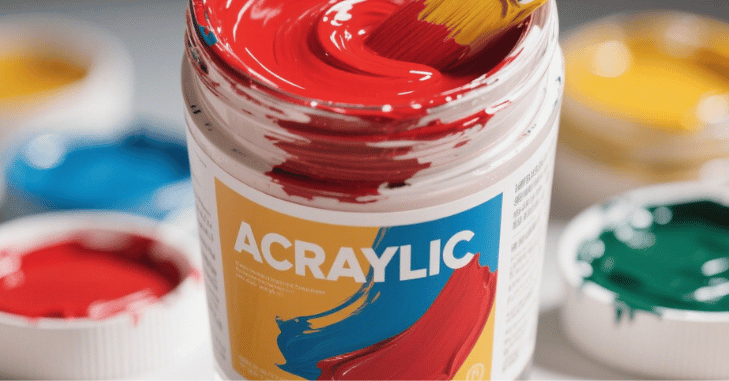
2. Acrylic Paint
- Ease of Use: Simple application, fast-drying.
- Finish: Matte or semi-gloss.
- Best For: Light-use basements or DIYers.
- Features: Cost-effective and available in various colors.
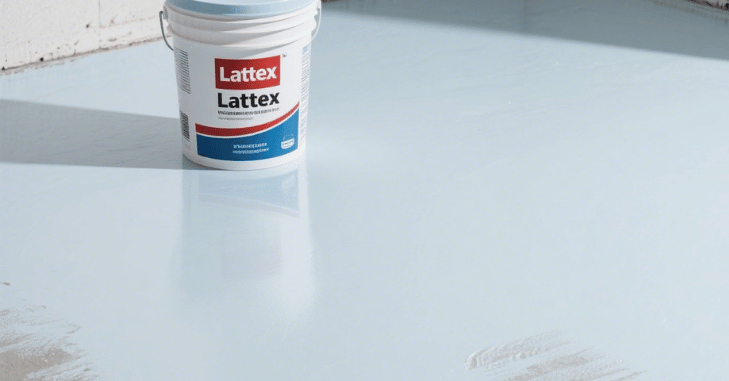
3. Latex Concrete Floor Paint
- Versatility: Easy to apply and clean up with water.
- Finish: Smooth and subtle.
- Best For: Low to moderate-traffic basements.
- Features: Good moisture resistance, affordable.
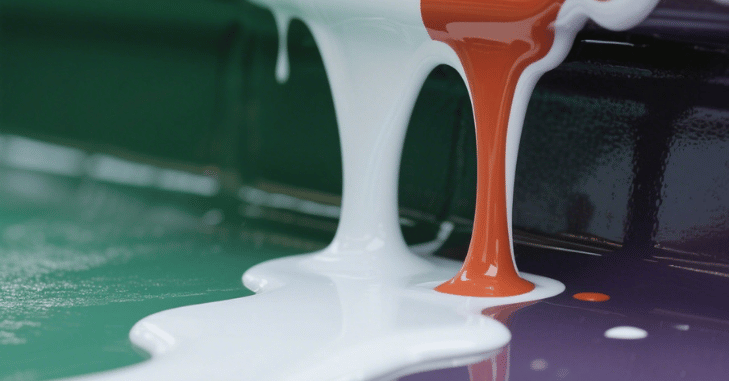
4. Polyurethane Coating
- Durability: High scratch and chemical resistance.
- Finish: Glossy and smooth.
- Used With: Often applied over epoxy for extra protection.
How to Choose the Right Floor Paint
Choosing the right floor paint for your basement concrete floor involves considering several key factors to ensure durability, aesthetics, and long-term performance. Start by assessing the moisture level in your basement, if it’s prone to dampness, opt for a moisture-sealing epoxy or waterproof latex paint. For high-traffic areas, a strong epoxy or polyurethane coating is ideal due to its superior resistance to wear and chemicals.
If you prefer an easier application process and quicker drying time, water-based acrylic or latex paints are practical choices. Also, think about the desired finish, glossy coatings offer a sleek, modern look and are easier to clean, while matte finishes create a softer appearance. Finally, consider color and design; lighter shades can brighten up dark basements, and some paints allow for decorative effects like stenciling or faux finishes to personalize the space.
Preparation: The Key to Long-Lasting Results
| Step | Action |
| Inspect and Repair | Check for cracks, chips, or moisture damage; patch with concrete filler. |
| Clean Thoroughly | Sweep, vacuum, degrease, and mop with concrete cleaner to remove residues. |
| Etch the Surface | Etch with solution or muriatic acid to open pores for better paint adhesion. |
| Moisture Test | Tape plastic for 24–48 hrs; if wet, improve drainage or apply moisture barrier. |
How to Paint a Basement Concrete Floor
Materials Needed
- Concrete paint (epoxy, latex, or acrylic)
- Paint rollers and brushes
- Painter’s tape
- Primer (if required)
- Protective gear (gloves, mask, goggles)
Step 1: Prime the Surface
- Use a masonry or concrete primer if recommended by the paint manufacturer.
- Let it dry completely before painting.
Step 2: Apply the First Coat
- Start from the farthest corner and work toward the exit.
- Use a roller for large areas and a brush for edges.
- Allow the first coat to dry for 24 hours.
Step 3: Apply the Second Coat
- Ensure the first coat is completely dry.
- Apply a second coat for even color and durability.
Step 4: Optional Topcoat
- For high durability, apply a polyurethane or epoxy topcoat.
- It adds gloss and extends paint life.
Step 5: Curing Time
- Wait 3–5 days before placing furniture or heavy objects.
- Avoid cleaning or washing for at least 7 days.
Design Ideas for Painted Concrete Floors
Painting your basement concrete floor doesn’t have to be plain or boring, there are plenty of creative options to enhance both function and style. Solid colors offer a simple, clean look that suits almost any space. For added personality, consider stenciling borders or decorative patterns that reflect your style.
Two-tone designs can help visually divide the area, especially in multi-use basements. Faux finishes are another great choice, simulating the look of tile or stone for a more upscale feel. To improve safety, especially in areas prone to moisture, textured additives can be mixed into the paint to increase slip resistance.
Maintenance Tips for Painted Concrete Floors
- Regular Cleaning: Sweep or vacuum weekly.
- Mop Occasionally: Use a gentle cleaner, avoid harsh chemicals.
- Touch-Up Paint: Keep extra paint for minor chips or scuffs.
- Avoid Dragging Furniture: Use pads to prevent scratches.
Common Mistakes to Avoid
Avoiding common mistakes is key to achieving a durable and professional-looking finish when painting a basement concrete floor. One major error is skipping surface preparation, if the floor isn’t thoroughly cleaned or properly etched, the paint is likely to peel over time.
Another frequent oversight is painting over moisture without testing first, which can cause the coating to lift or bubble. It’s also essential to use paint specifically formulated for concrete; using the wrong type may not adhere well or withstand wear.
Applying paint too thickly can lead to cracks or bubbles as it dries unevenly. Lastly, rushing the curing process by not allowing adequate drying time can compromise both appearance and longevity, so patience is crucial for a lasting result.
Pros and Cons of Painting a Basement Floor
| Pros | Cons |
| Enhances appearance | Requires good surface prep |
| Protects against moisture and stains | Can be slippery if glossy |
| Easy to clean and maintain | May need re-coating every few years |
| Cost-effective vs. tiling or carpet | Some products emit strong odors initially |
Conclusion
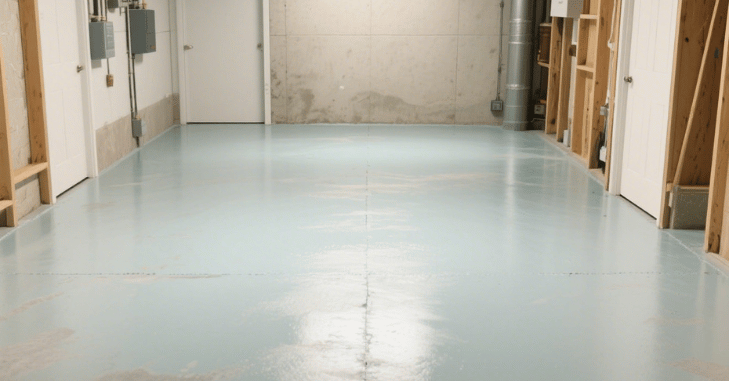
In conclusion, basement concrete floor paint is an excellent choice for homeowners looking to enhance the functionality and aesthetics of their basements. Not only does it protect the floor from moisture, stains, and wear, but it also transforms a dull concrete surface into a clean and attractive space.
With the right preparation, paint selection, and proper application, your basement floor can withstand the test of time and traffic. From simple solid colors to more intricate designs, there are various ways to customize the look of your floor while maintaining its durability.
Apart from that, if you are interested to know about “Choosing the Right Roofing Contractor: A Comprehensive Guide” then visit our “Home Improvement” category.
FAQs
Epoxy paint is ideal for basement floors due to its durability and moisture resistance.
Clean the floor, repair cracks, etch the surface, and test for moisture before applying paint.
Allow 3-5 days for the paint to cure before placing furniture or heavy items on the floor.
No, use paint specifically formulated for concrete floors to ensure proper adhesion and durability.