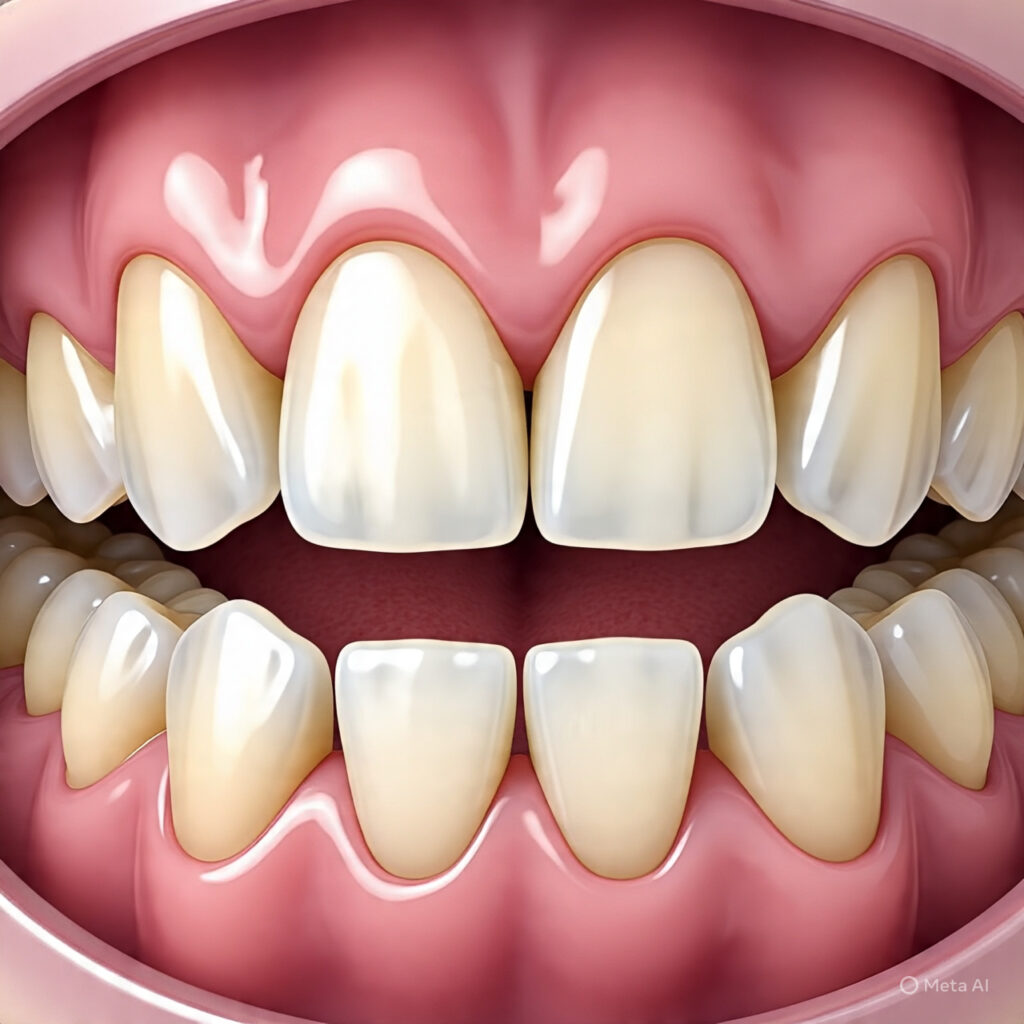


Your child’s first dental visit can stir up worry, hope, and many questions. You want to protect their smile, but you may not know what to ask or expect. This first appointment sets the tone for how your child will feel about dental care for years. You deserve clear answers, plain language, and a dentist who respects your concerns. This is especially true if you are choosing a new clinic or searching for family dentistry Oshawa. You can use this visit to learn how the dentist will handle fear, pain, and long term care. You can also learn what you should watch for at home. The right questions help you spot problems early, avoid emergencies, and keep your child calm in the chair. This guide gives you six direct questions that cut through confusion and protect your child’s health.
1. “How often should my child come in for checkups?”
Start with timing. You need to know how often your child should be seen and why.
You can ask:
- How often do you want to see my child for cleanings
- What signs mean we should come in sooner
- Does my child’s risk for cavities change the schedule
The Canadian Dental Association and American Academy of Pediatric Dentistry both say children should see a dentist by age one and then on a regular schedule. You can read more from the Canadian Dental Association.
Regular checkups help you catch small problems before they grow. They also help your child see the dental office as a normal place, not a threat.
2. “What are my child’s biggest risks right now?”
You need a clear picture of your child’s mouth today. Ask the dentist to spell out risk in simple words.
Ask questions like:
- Is my child at low, medium, or high risk for cavities
- Do you see early white spots or weak spots on the teeth
- Are there gum problems or mouth habits that worry you
Then ask what you can do at home to lower those risks. This might include changes in brushing, snacks, or drinks. It might also include fluoride or sealants later on.
You deserve a straight answer on risk. You also deserve a clear plan to lower it.
3. “What should our daily home routine look like?”
Your child spends only a short time in the dental chair each year. The rest of the time, you are the one in charge. You need a simple home plan that you can follow.
Ask the dentist or hygienist to walk you through:
- How often to brush and with what kind of toothpaste
- How much toothpaste to use for your child’s age
- When to start flossing
- How to brush a squirming child
You can also ask for a quick showing in the chair. Ask the team to show you how to hold your child’s head and how to reach the back teeth.
4. “How do you handle fear, tears, or special needs?”
Many children feel scared in a new place. Some cry. Some shut down. Some have sensory or developmental needs. You must know how the office will respond.
You can ask:
- What do you do if my child is very scared
- Do you use tell show do to explain each step
- Can I stay with my child during the visit
- How do you adjust care for children with special needs
Listen for calm, steady answers. The team should describe clear steps, not vague comfort words. A good office respects your child’s limits. It also works with you to build trust over time.
5. “What foods and drinks should we avoid or limit?”
Food choices hit your child’s teeth every day. You need clear rules that you can use in your kitchen and at school.
Ask the dentist to be specific:
- Which snacks are most likely to cause cavities
- How often is juice safe, if at all
- Are sports drinks or flavored waters a problem
- What are better snack choices
Here is a simple comparison table you can use at home.
| Food or drink choice | Effect on teeth | How often to serve |
|---|---|---|
| Water | Rinses sugar. Supports healthy saliva. | Offer all day. |
| Milk at meals | Provides calcium. Can still feed bacteria if sipped often. | Serve with meals. Avoid bedtime bottles. |
| Fruit juice | High in natural sugar. Can damage enamel. | Limit to rare treats. Serve with food. |
| Sticky candies or gummies | Cling to teeth. Feed cavity causing bacteria. | Avoid when possible. |
| Fresh fruits and veggies | Help clean teeth. Support overall health. | Offer daily. |
| Crackers and chips | Break into starch that turns into sugar in the mouth. | Serve with meals. Avoid all day grazing. |
Use this table to guide shopping and lunch packing. Small changes at home can cut cavity risk in a strong way.
6. “What is your plan if my child has a cavity or injury?”
You hope your child never needs treatment. Still, you should know what will happen if a problem shows up.
Ask these questions:
- If you find a small cavity, how will you treat it
- Do you use numbing, and how do you explain that to children
- What if my child falls and breaks or knocks out a tooth
- Who do I call after hours
Also ask how they decide when to watch and when to treat. You deserve a plan that uses the least treatment needed to keep your child safe and pain free.
Turning questions into a steady care plan
These six questions do more than fill silence. They help you judge how the office listens, explains, and plans. They also help you see if the team treats your child as a person, not a chart.
When you leave the first visit, you should have three things.
- A clear schedule for the next checkup
- A simple home plan for brushing, flossing, and snacks
- A basic emergency plan for pain or injury
If you do not have these, ask again before you walk out. You have the right to plain answers and steady support. Your questions today shape your child’s comfort with dental care for years. Careful choices now protect their smile, their sleep, and their sense of safety in the chair.
If you want to know about 4 Signs It’s Time To Schedule Your Child’s First Dental Cleaning then visit our Health category.